

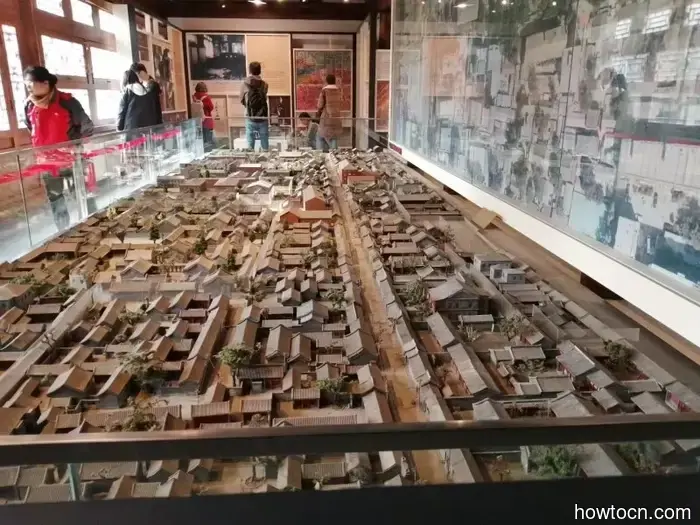
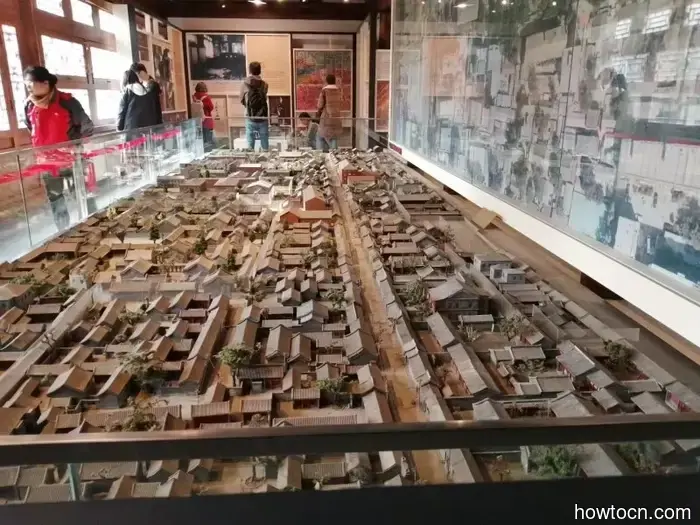
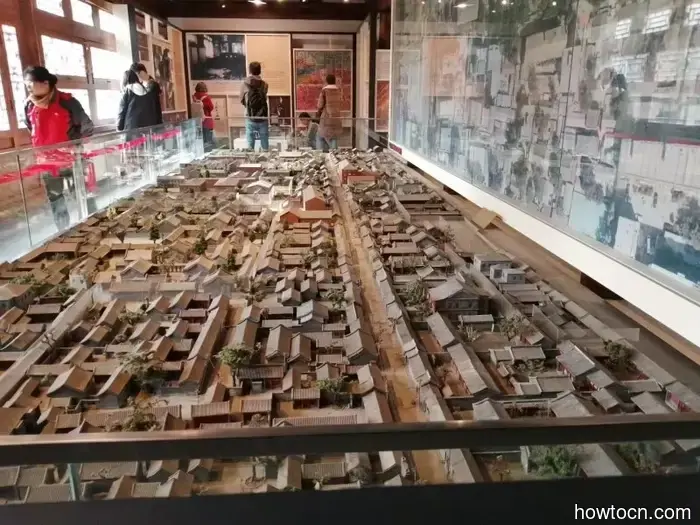
Have you ever wondered why the term "hutongs" is used instead of simply referring to them as alleys or lanes? If any of you 胡同串子 hútong chuànzi (hutong wanderers) have visited the Shijia Hutong Museum, then you might already know. For those who aren't familiar, here's a brief history lesson.
So, what actually are hutongs?
胡同 hútòng refers to the typically grid-like alleyways that stretch across Beijing. They are quite ancient, primarily residential, yet have historically concealed some of the city's finest cafés, bars, and small eateries. In a sense, the hutongs represent some of the last remnants of authentic Beijing life, which has largely remained unchanged for centuries.
Their history dates back to before Beijing was known as Beijing; it was once Khanbaliq – 大都 Dàdū in Chinese – the capital of the Mongol Yuan Dynasty (1279-1368). During this time, narrow lanes were created around the city’s wells, or hottok. The name stuck and was transcribed into Chinese, but that isn't the whole story.
As noted in the museum's exhibit, there are several theories regarding the origin of the term. One theory suggests that hutong comes from the Han Dynasty (202 BCE-220 AD) word for lane – 巷 xiàng – which was once known as hong or hu dong. The term 胡同 hu dong gained traction in northern China during the Liao (916-1125) and Jin (1115-1234) Dynasties.
It wasn't until the Ming Dynasty (1368-1644) that the word hutong emerged, with a new radical added to it. This radical is 行 xíng, meaning "to walk," which combined with 胡 and 同 formed the character 衚衕 hutong. With the xing radical, the word came to signify “a place where people walk.”
Ultimately, during the Qing Dynasty (1644-1911), the term was simplified to the hutong we recognize today, eliminating the xing radical completely. And as they say, the rest is history.
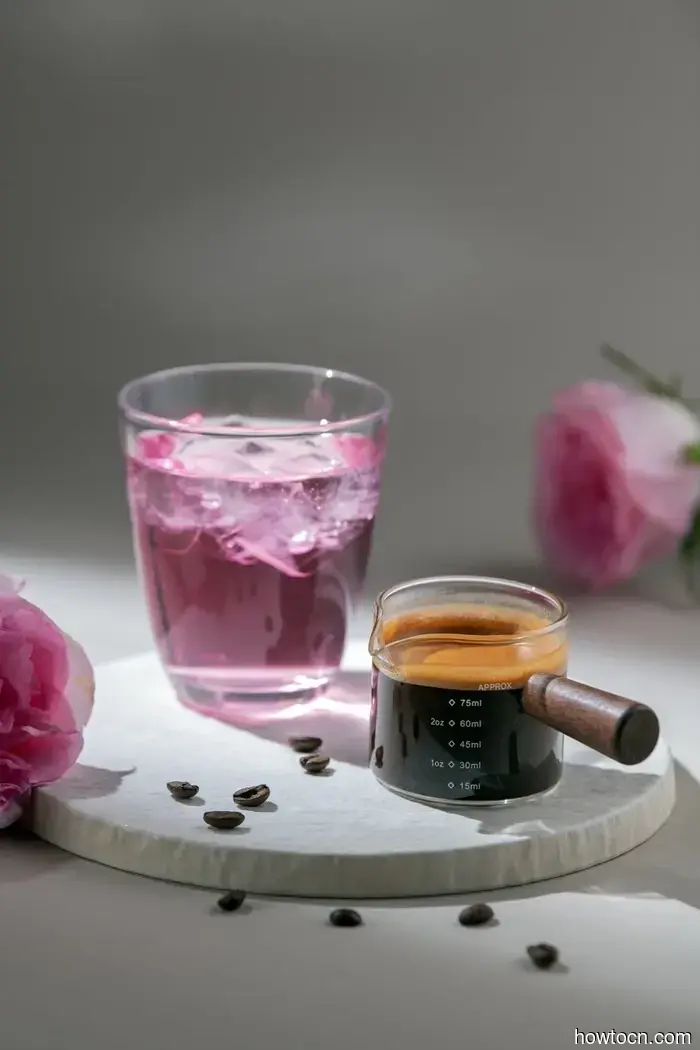
International Women's Day (March 8) is approaching, and there are numerous events and offers for women to take advantage of!
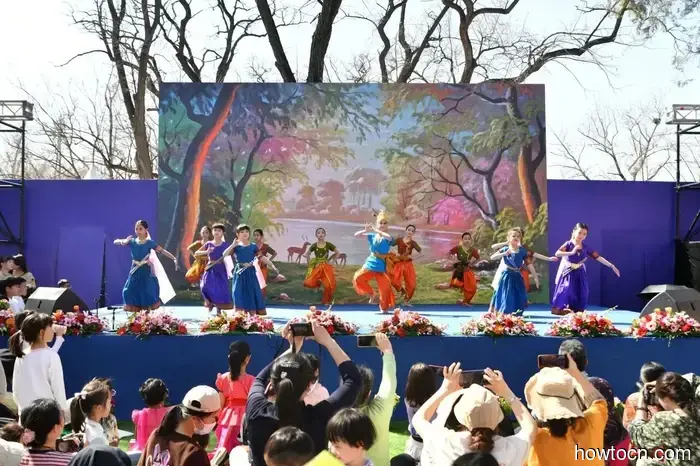
Don’t miss this annual spring fair, which showcases a lively blend of Indian culture.
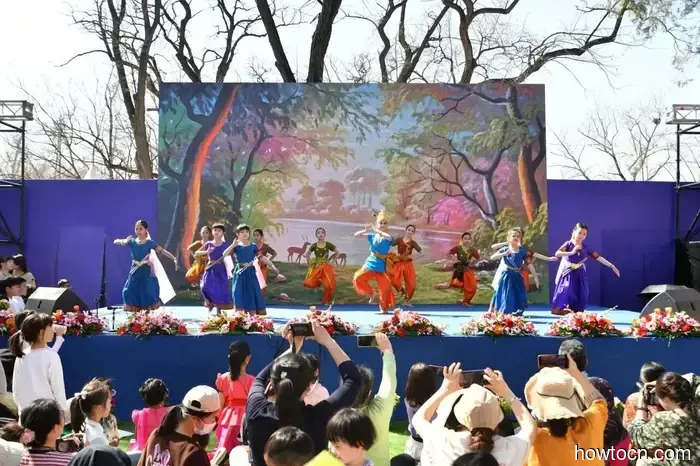
Don't miss this yearly spring fair that showcases a lively blend of Indian culture.
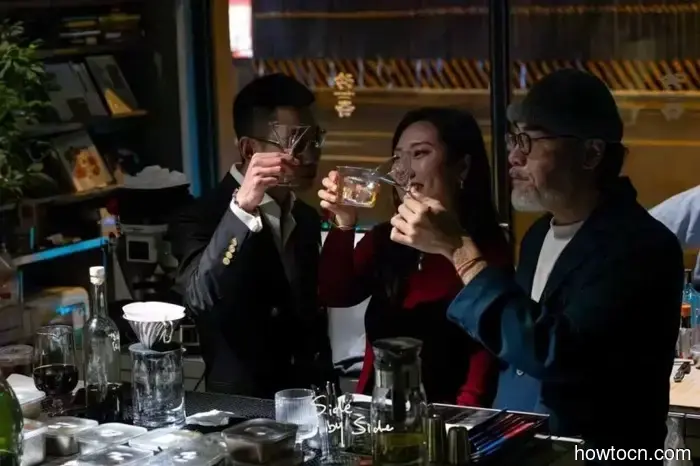
The season for spring cleaning has arrived, and these purchases from Taobao will simplify the process of decluttering and organizing!
.jpg)
This week, Modernsita is offering a half-price deal, Carlos Johnson is performing at Blue Note, and there’s an event called "Swap, Mend & MÝO."

We have additional deals, specials, and events for women to relish!
A short history of the term 胡同 (hutong) for all the hipster enthusiasts of hutongs.