
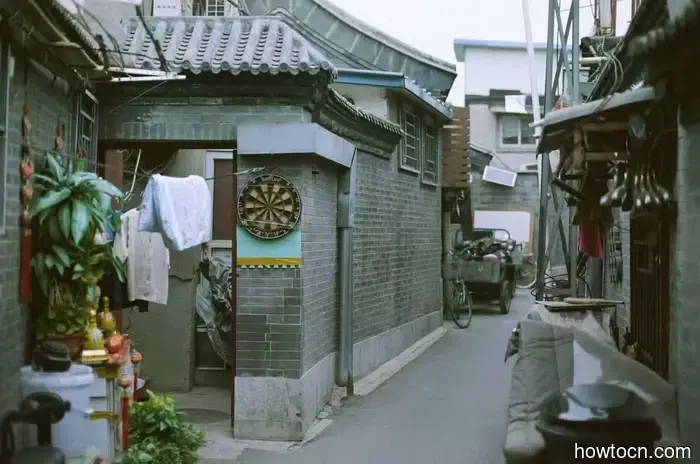
Have you ever pondered why hutongs are referred to as hutongs and not merely as alleys or lanes? If any of you 胡同串子 hútong chuànzi (hutong explorers) have visited the Shijia Hutong Museum, you might already have the answer. For those who haven’t, here’s a brief historical overview.
So, what exactly are hutongs?
胡同 hútòng is the term used to describe the generally grid-like alleyways that weave through Beijing. These streets are quite old and primarily residential, but they have a long-standing reputation for concealing some of the best cafés, bars, and small eateries in the capital. In many ways, the hutongs represent some of the last remnants of genuine Beijing life as it has mostly existed for centuries.
Their origins trace back to a time before Beijing was known as Beijing, specifically to when it was Khanbaliq – 大都 Dàdū in Chinese – the capital of the Mongol Yuan Dynasty (1279-1368). It was during this era that narrow lanes were constructed around the city’s wells, referred to as hottok. This name was adopted into Chinese, but that’s not the whole story.
According to the exhibition at the museum, there are several theories about how the term originated. One theory suggests that hutong comes from the Han Dynasty (202 BCE-220 AD) word for lane – 巷 xiàng – which was originally hong or hu dong. During the Liao (916-1125) and Jin (1115-1234) Dynasties, 胡同 hu dong became widely used in northern China.
It wasn't until the Ming Dynasty (1368-1644) that the term hutong was officially established, although with an added radical.
The radical in question was 行 xíng, meaning “to walk,” which was combined with both 胡 and 同 to create 衚衕 hutong. With the inclusion of the xing radical, the word came to signify “a place where people walk.”
Finally, during the Qing Dynasty (1644-1911), the term was simplified to the hutong we recognize today, eliminating the xing radical altogether. And thus, as they say, the rest is history.

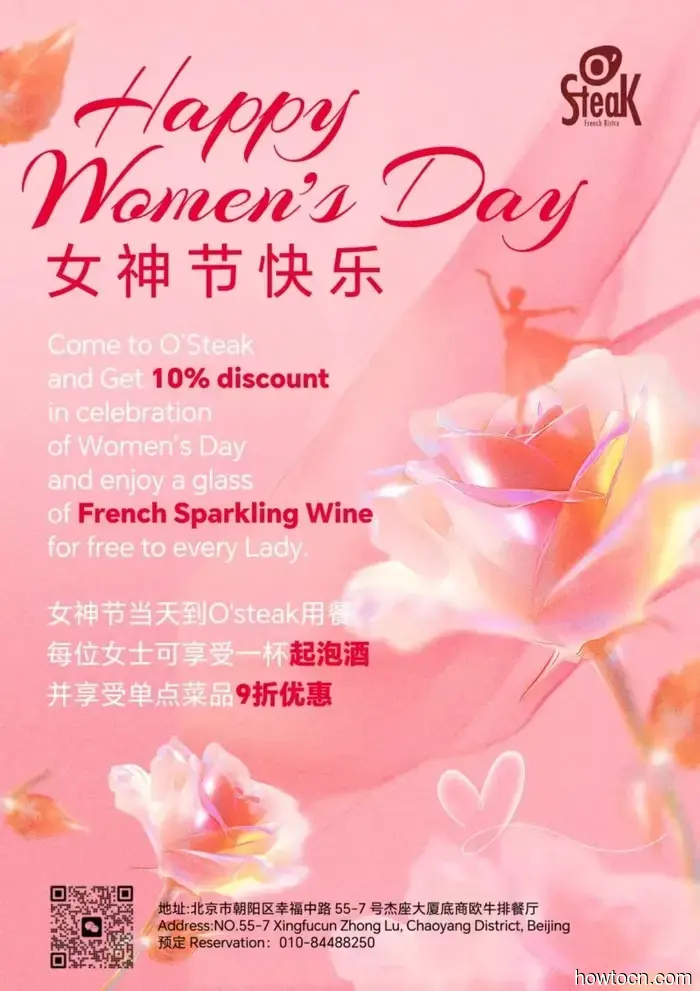
We have an expanded selection of deals, specials, and events for women to enjoy!
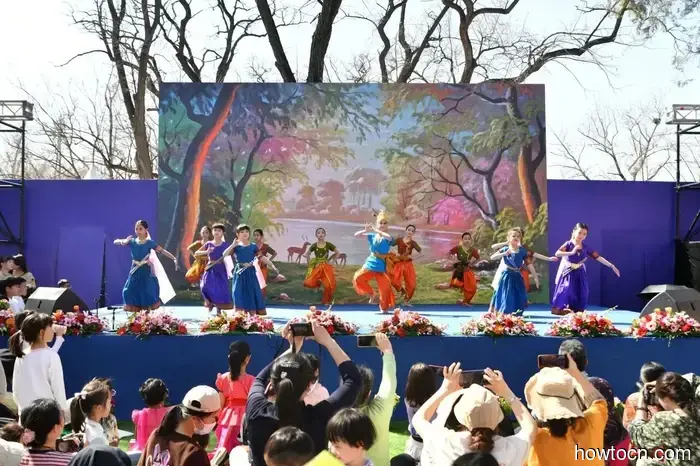
Don’t miss this annual spring fair, which showcases a lively blend of Indian culture.

We've got even more offers, promotions, and events for women to enjoy!
Chilis is preparing to launch a second location in Solana, Din Tai Fung is making its comeback in Beijing, a new cocktail bar called Side By Side is about to open, and there's more on our To Try List this week.
.jpg)
Still don't have any plans for the weekend? Here’s some inspiration for you!
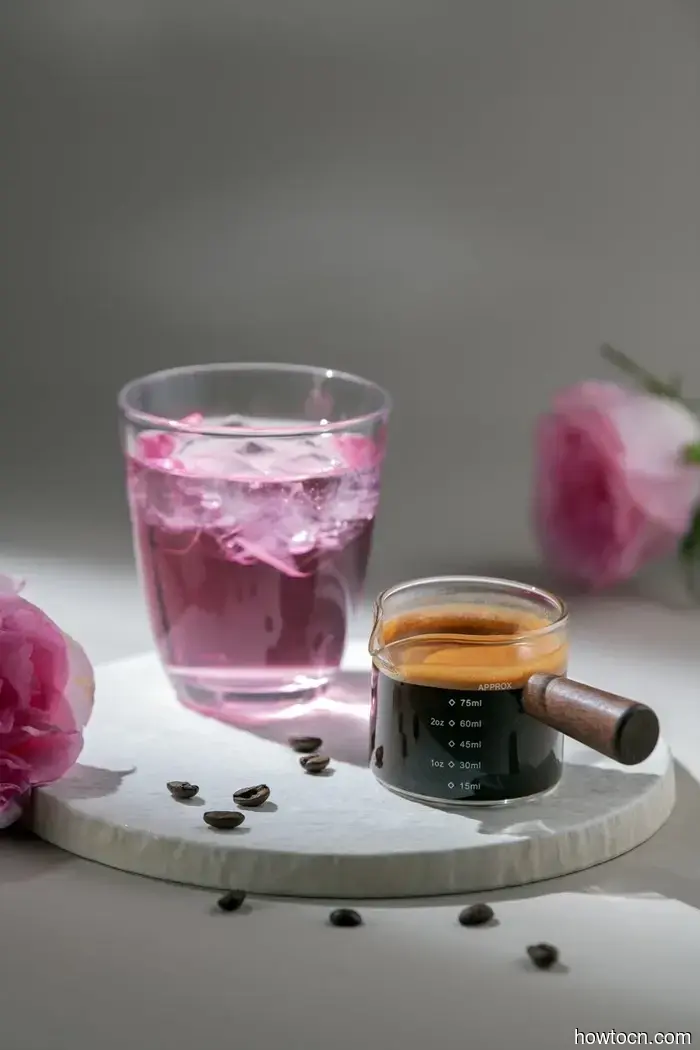
International Women’s Day (March 8) is fast approaching, and there are numerous events and offers for women to take advantage of!
A short history of the term 胡同 (hutong) for all the hutong enthusiasts.