

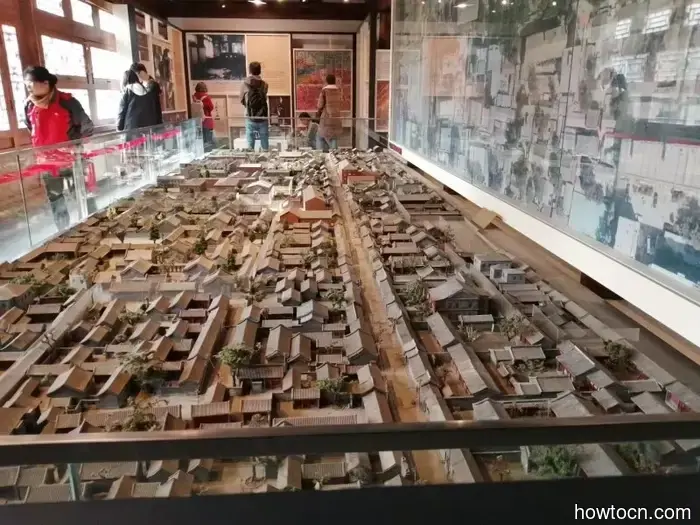
Have you ever pondered why the term "hutongs" is used instead of just calling them alleys or lanes? If any of you 胡同串子 hútong chuànzi (hutong explorers) have visited the Shijia Hutong Museum, you might already have an idea. For those who haven't, here’s a brief history.
So, what exactly are hutongs?
胡同 hútòng refers to the typically grid-patterned alleys that weave through Beijing. These lanes are quite ancient, mainly residential, but have a long-standing reputation for concealing some of the finest cafés, bars, and small eateries in the capital. In a sense, the hutongs represent some of the last remnants of authentic Beijing life as it has been for centuries.
Their origins trace back to a time before Beijing was known as Beijing, when it was referred to as Khanbaliq – 大都 Dàdū in Chinese – the capital of the Mongol Yuan Dynasty (1279-1368). During this era, narrow lanes were constructed around the capital’s wells, which were called hottok. The name persisted and was transliterated into Chinese, but there’s more to the story.
The museum exhibit shares a few theories about the etymology. One theory suggests that the word hutong comes from a term used in the Han Dynasty (202 BCE-220 AD) for lane – 巷 xiàng – which was referred to as hong or hu dong back then. During the Liao (916-1125) and Jin (1115-1234) Dynasties, the term 胡同 hu dong gained popularity in northern China.
It was not until the Ming Dynasty (1368-1644) that the term hutong was officially established, albeit with an additional radical included.
The radical in question was 行 xíng, meaning “to walk,” which surrounded both 胡 and 同 to create 衚衕 hutong. The inclusion of the xing radical changed the meaning to indicate “a place where people walk.”
Finally, during the Qing Dynasty (1644-1911), the term was streamlined to the hutong we recognize today, eliminating the xing radical completely. And from there, as they say, the rest is history.



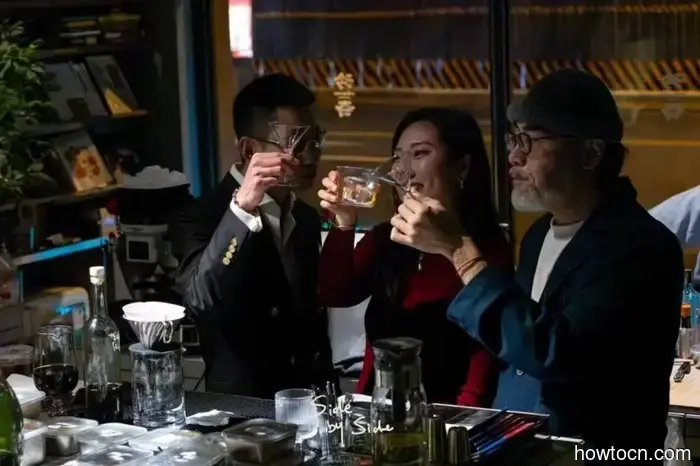
Chilis is about to launch a second location in Solana, Din Tai Fung is making its return to Beijing, a new cocktail bar named Side By Side is set to open, along with other highlights on our To Try List this
.jpg)
Still don't have any plans for the weekend? Here’s some inspiration for you!
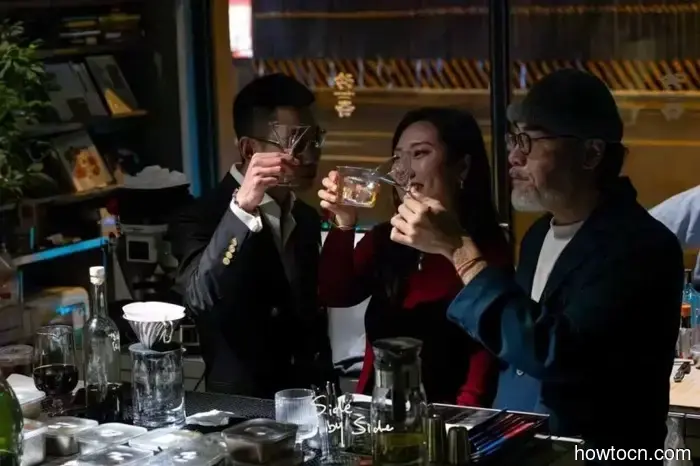
The season for spring cleaning has arrived, and these purchases from Taobao will make organizing and decluttering effortless!

We've got even more offers, promotions, and events for women to enjoy!
The season for spring cleaning has arrived, and these purchases from Taobao will simplify the process of decluttering and organizing!
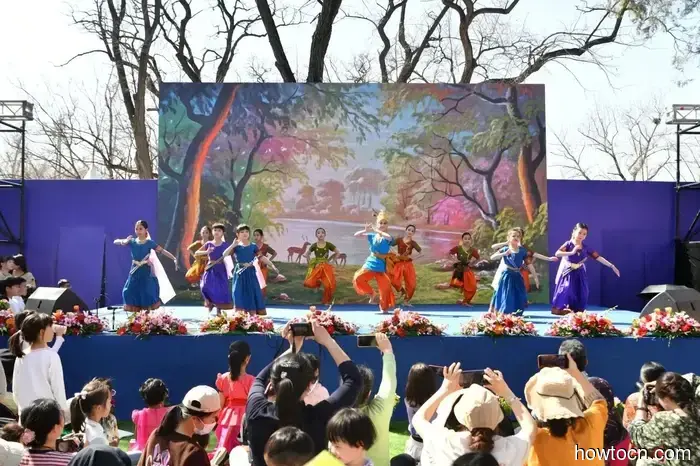
Don't miss this yearly spring fair that showcases a lively blend of Indian culture.
A short history of the term 胡同 (hutong) for all the hipsters who appreciate hutongs.