To commence the Year of the Snake, we are introducing a new series titled 24 Hours in Beijing, where we inquire some of the city’s influential figures about how they would spend a complete day in the capital. For the second installment of this series, we speak with American educator, director of Chi Fan For Charity (CFFC), and Beijing’s renowned food enthusiast, Preston Thomas.
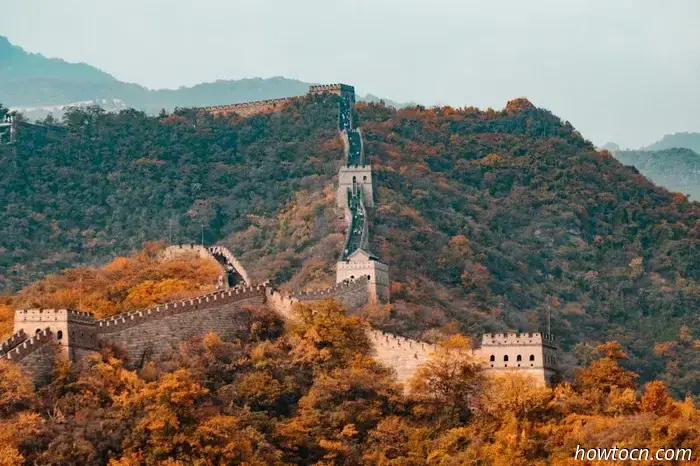
You have 24 hours in Beijing – how do you begin your day? Starting a day in Beijing with only 24 hours is both a challenge and an adventure. Skipping breakfast, my first stop would be one of the world's most famous landmarks: the Great Wall of China. To fully appreciate this experience, I’d want to arrive early to catch the stunning sunrise. There’s something enchanting about seeing the first light of day illuminate this ancient wonder, creating long shadows along its winding path. The Great Wall, rich in historical significance and breathtaking vistas, is not only a must-see but also a must-experience in Beijing, providing a deep connection to China’s illustrious past.
Why the Great Wall? It's not just the view; it’s about the journey. Walking along the wall, you traverse history, feeling the weight of ages beneath your feet. It stands as a physical tribute to human accomplishment, strategy, and the enormity of the Chinese empire. This is where my – and, should you choose to follow this itinerary, your – adventure in Beijing begins, imbued with awe and a sweeping view that sets the vibe for the day.
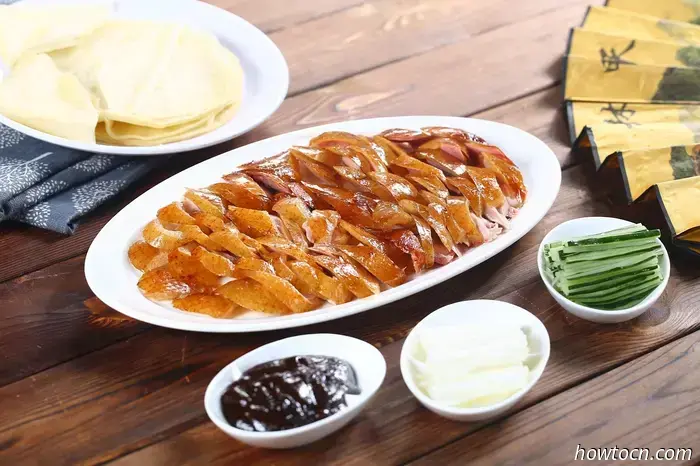
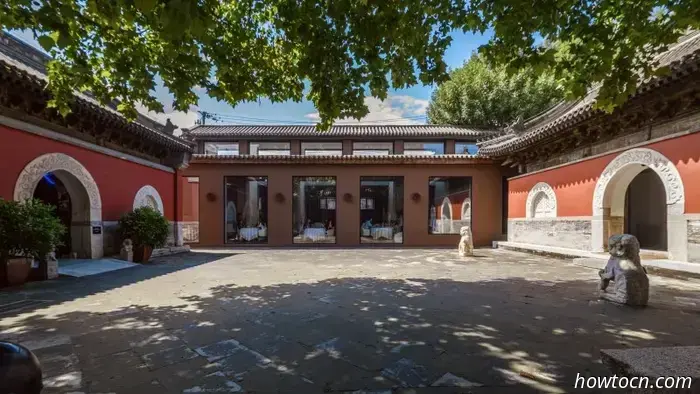
Given that breakfast is off the table, where would you go for lunch and dinner? After spending the morning at the wall, I’d return to the lively city for lunch at Home Town Palace, famous for its Peking roast duck. The crispy skin, tender meat, and the table-side slicing ritual transform this meal into an experience. Home Town Palace is recognized for its authenticity, offering a genuine taste of Beijing’s culinary traditions.
Following lunch, it’s always pleasant to stroll through Nanluoguxiang. This is where you can discover the hutongs – the narrow streets and alleys that embody the essence of old Beijing. Roaming through these historic paths provides insight into the daily life and architecture of the city’s past, presenting a sharp contrast to the modern skyscrapers found elsewhere.
As evening draws near, the dinner options in Beijing are both lavish and delicious. You can choose between TRB Hutong or Jing at The Peninsula. Both Michelin-starred French restaurants are celebrated for their exceptional cuisine. TRB Hutong, located within the hutongs, combines a traditional ambiance with modern French dining, while Jing offers an elegant atmosphere. Both choices deliver not just a meal, but a culinary adventure.
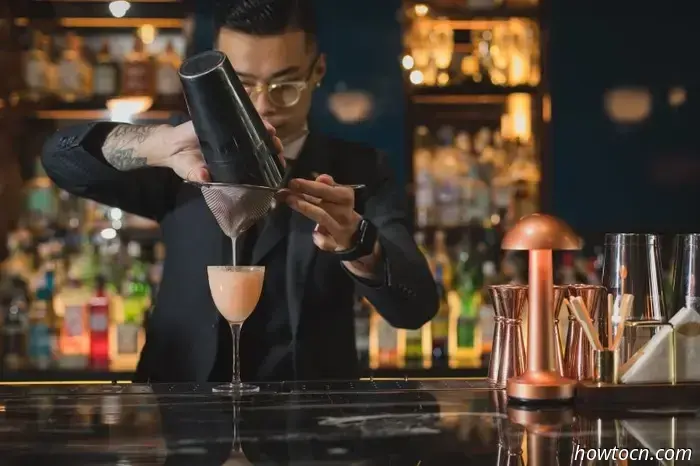
After dinner, where would you like to end the evening? Following dinner, the night in Beijing carries on with a touch of sophistication and relaxation. My preferred choice is to visit the Mandarin Oriental's MO Bar for a cocktail. This venue is unique as it overlooks the Forbidden City, providing an opportunity for a drink alongside a magnificent view of one of China’s most iconic sites, especially stunning when illuminated at night. It’s a tranquil way to transition from the bustling day to the calm of the evening.
To unwind, if I’m still in the mood for the charm of the hutongs, I’d go to Modernista for live music in a cozy, intimate setting to soak in the local vibe. However, for those looking to explore Beijing’s nightlife further, I would suggest heading to Sanlitun. There, Swing 58 awaits with its lively atmosphere and live band, offering a mixture of jazz and swing—perfect for concluding your day on a vibrant note.
READ: 24 Hours in Beijing with Poet Anthony Tao
Images: Pixabay, Unsplash, TRB, Uni You, courtesy of Preston Thomas

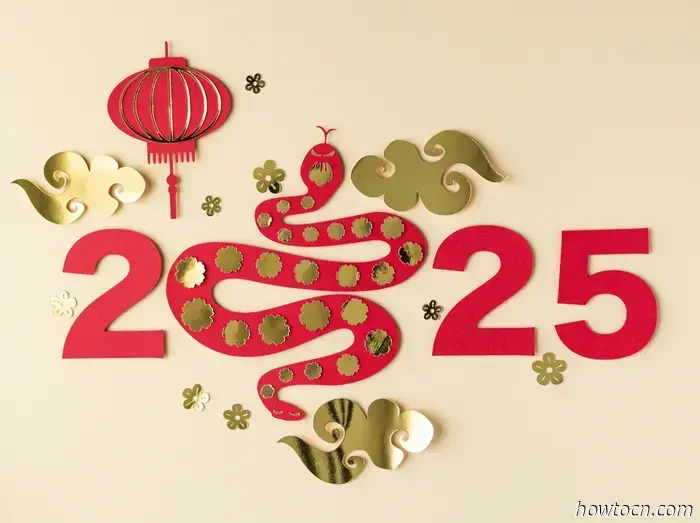
The Chinese Zodiac is a fascinating aspect of the culture during the Spring Festival, so let’s explore its origins and uncover its rich history!

Prior to the Lunar New Year of 2022, a video surfaced on Chinese social media showing a woman chained by her neck to a wall. The incident involving Little Plum Blossom has resonated across China in a manner that earlier human trafficking cases have not.
.jpg)
Have you detected a gag-reflex-inducing, sulfurous, sewer-like odor coming from the bathroom in your Chinese apartment?
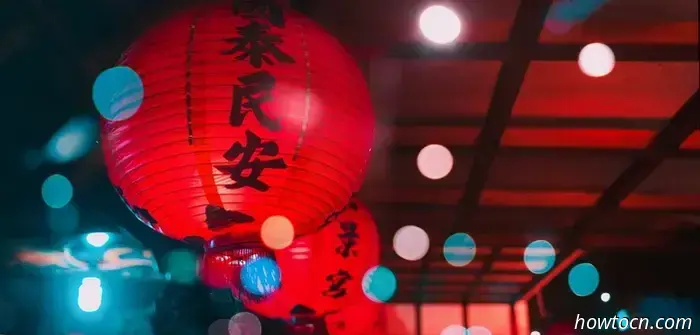
As the Chinese New Year nears, it's time to refresh your polite expressions before you get hit with baijiu and fireworks.
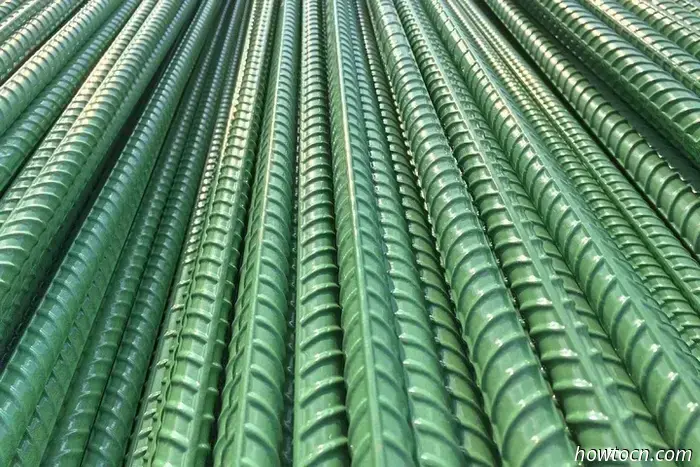
China's iron and steel sector ranks as the second largest carbon emitter, contributing roughly 17 percent of the nation's total emissions. Scientists and policymakers advocate for 'green steel,' which is produced using carbon-free reductants like hydrogen—instead of coal—as a global strategy to lower carbon emissions. Although transitioning to more sustainable steel production in China will take time and involve significant investment in the industry, it will significantly influence Australia's export market.

The Security Agreement between China and the Solomon Islands has led to dire forecasts about a possible Chinese naval base and a continuous presence of Chinese troops in the Solomons, which poses significant implications for Australia's national security. There were alarmist claims that the Solomon Islands were turning into another ‘Cuba’ near our shore, prompting then-Prime Minister Scott Morrison to issue foreboding warnings about certain ‘red lines’ that must be respected. This politically motivated discourse diverted focus from the genuine concerns regarding the wide-ranging potential implications of the agreement.
Beginning at the Great Wall and concluding with a nightcap at a bar with views of the Forbidden City, Preston Thomas' 24 hours in Beijing are filled with a diverse range of experiences.