
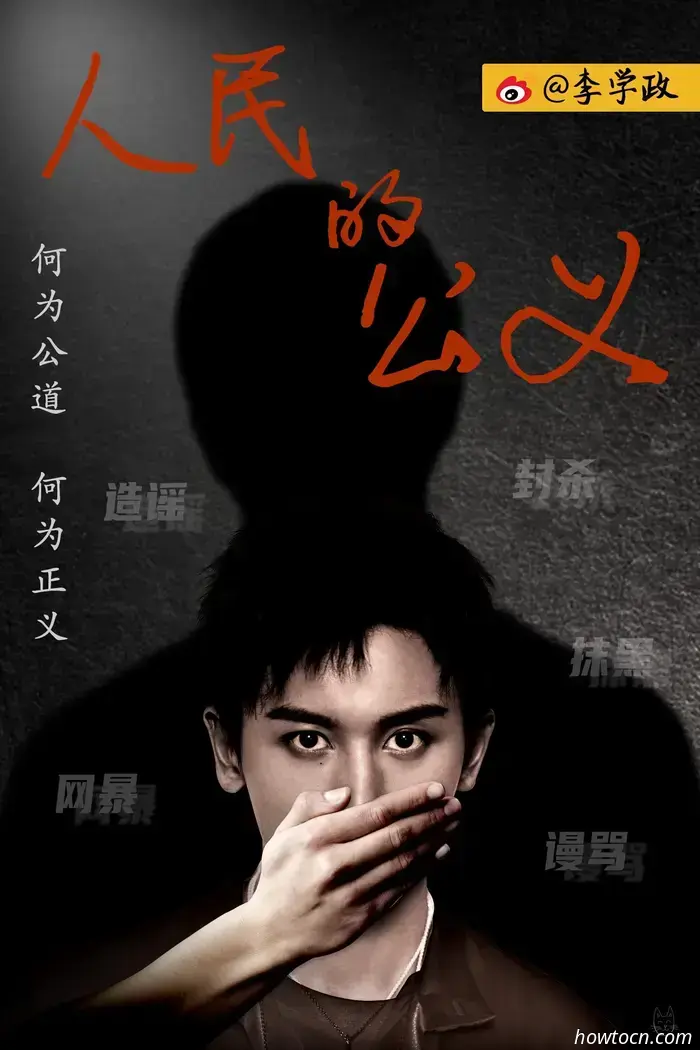
Many people are acquainted with the idea of cancel culture in the West. Merriam-Webster characterizes it as "the practice or tendency of engaging in mass cancelling as a way of expressing disapproval and exerting social pressure." Despite some controversy, the essence of Western cancel culture lies in the public's wish to hold public figures accountable for their actions. It is fueled by widespread public sentiment and carried out by various entities, including companies that may voluntarily decide to sever ties with the individual in question.
In contrast, there is an emerging culture of intense celebrity cancellation in China, where the impetus is often not authentic social sentiment but rather a competitive industry with monopolistic control over social media, streaming services, and state-run media. This creates a more hostile online landscape that is rife with misinformation and heavily curated 'public opinion'. In this case, cancellation is executed by the platforms themselves, often leading to a near-total deletion of a person's digital presence in just a few days.
The case of actor Zhang Zhehan
In 2021, several prominent celebrities faced cancellation, including actor Zhang Zhehan, known for the popular danmei series Word of Honor. However, unlike others like pop star Kris Wu, arrested on suspicion of rape, and actress Zheng Shuang, penalized for tax evasion, Zhang was not accused of any criminal wrongdoing. In August of that year, he faced backlash over vacation photos featuring cherry blossoms taken at Japan's Yasukuni Shrine, a popular tourist attraction that Chinese state media still recommended for cherry blossom viewing as late as March 21, 2022. One cherry tree there serves as a reference point for the commencement of Japan’s annual cherry blossom season, according to the Meteorological Agency.
Nonetheless, the Yasukuni Shrine is controversial for many in China, as it honors Japanese war criminals linked to atrocities during World War II, including the Nanjing massacre, which, according to Chinese official accounts, resulted in over 300,000 civilian and unarmed soldier deaths (though the actual toll is debated). The shrine's annual visits by Japanese Prime Ministers often draw condemnation from China's Ministry of Foreign Affairs and state media.
In 2002, actor Jiang Wen visited the Yasukuni Shrine to research for his film Devils on the Doorstep, set during the Sino-Japanese war. Although he was quickly labeled ‘unpatriotic’ and ‘a traitor’, many esteemed intellectuals and artists defended him. Guo Weitao, a senior colonel at the National Defense University, commented that it reflects ignorance to conflate a Chinese citizen's visit to the shrine with an act of treason. Bai Yansong, a well-known presenter at state-run broadcaster CCTV, remarked that the worship process at the shrine is complex, with most visitors, aside from militarists, not going there to pay their respects.
When old vacation photos of Zhang Zhehan emerged online in August 2021, misinformation claiming he visited or prayed at the contentious shrine spread rapidly. Zhang refuted these claims and apologized for his lack of knowledge about the area's significance. However, misinformation continued to proliferate, and like Jiang Wen, Zhang was branded ‘unpatriotic’ and a ‘traitor’. His situation unfolded during a time of highly viral social media and an increasingly toxic online atmosphere. Supporters, including Tsinghua professor Yin Hong, faced backlash, with their Weibo accounts silenced or deleted. Zhang's cancellation was swift; within days, his name, social media profiles, and all associated content were nearly erased from Chinese streaming services and social media platforms. In contrast, Jiang Wen's film, released in 2000, remains respected, and his career was not adversely impacted.
Who is responsible for Zhang Zhehan's cancellation?
Following Zhang's cancellation, many of his fans have attempted to clarify misinformation and bring attention to the discrepancies in reporting on his case. Evidence suggests that Zhang may have been the target of a deliberate smear campaign. His vacation photos emerged on August 13, a date significant as it precedes Victory Day on August 15, which marks Imperial Japan's surrender in World War II, and many of the accusations against him were easily refuted. However, this perspective has been largely absent from Chinese media narratives regarding Zhang’s cancellation. Efforts for clarification and rational discourse have been systematically erased from Chinese social media. Fans have shifted most of their clarifications to international platforms like YouTube, Twitter, and personal blogs in an effort to preserve and share the truth.
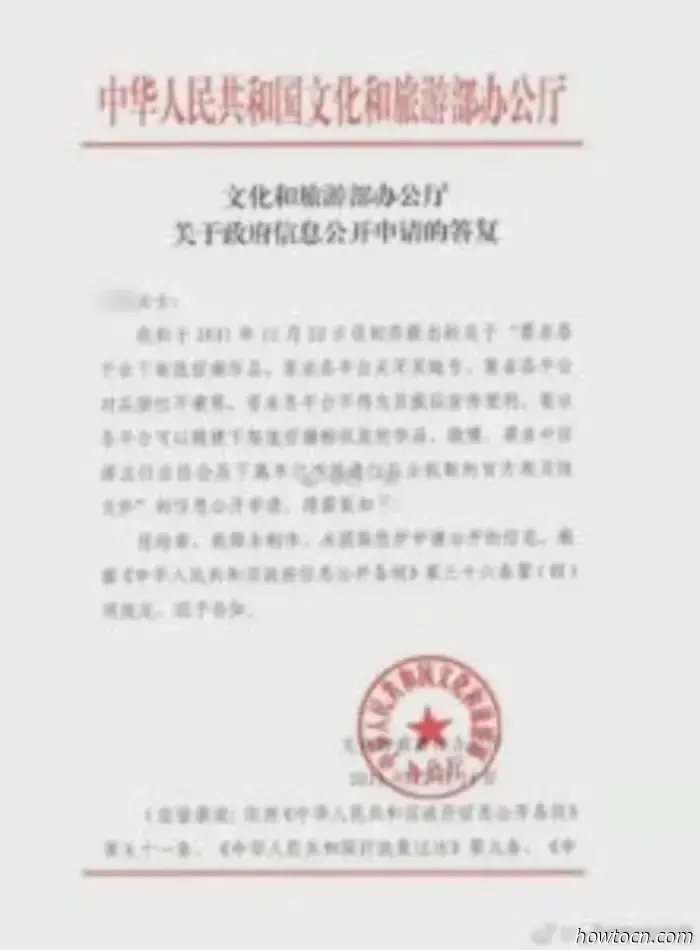
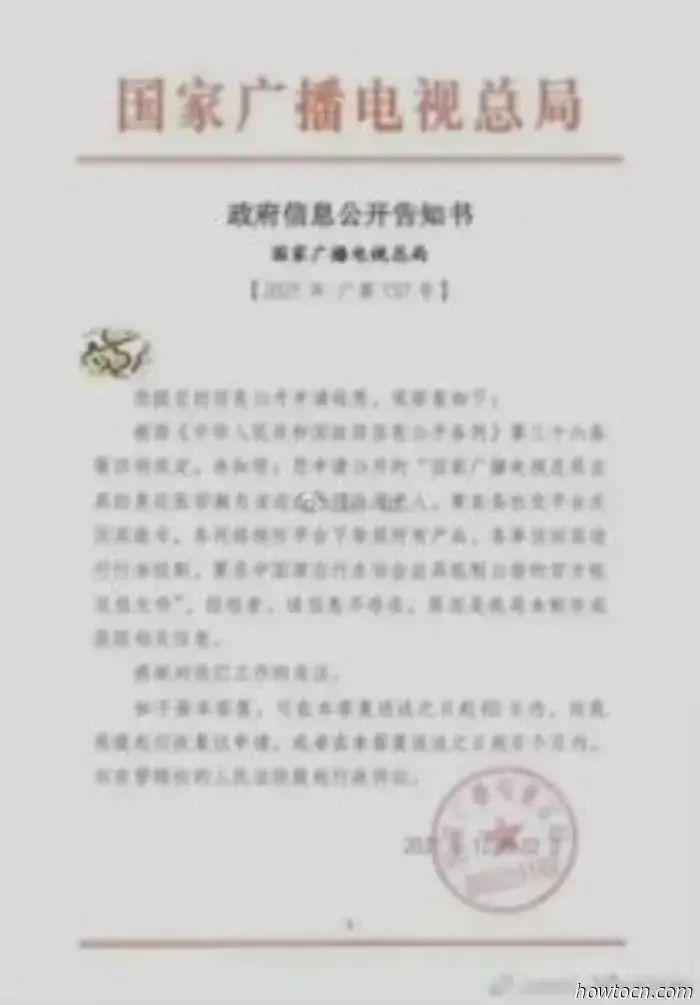
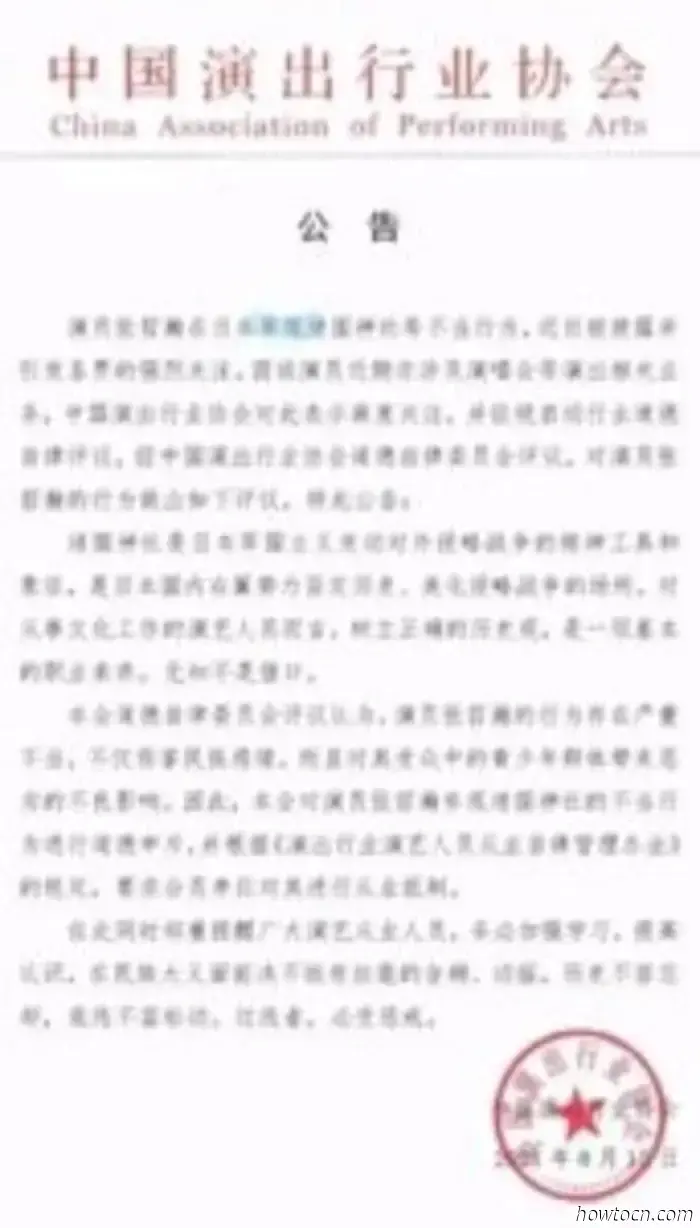
While it's easy to attribute this level of erasure to government censorship, the matter in Zhang's case is more complex. To investigate state involvement, his fans reached out to the Ministry of Culture and Tourism (MCT) and the National Radio and Television Administration (NRTA), which govern the entertainment sector. Both bodies denied having any role in Zhang's cancellation.
The MCT stated it did not request platforms to take down Zhang's works, suspend his accounts, erase positive
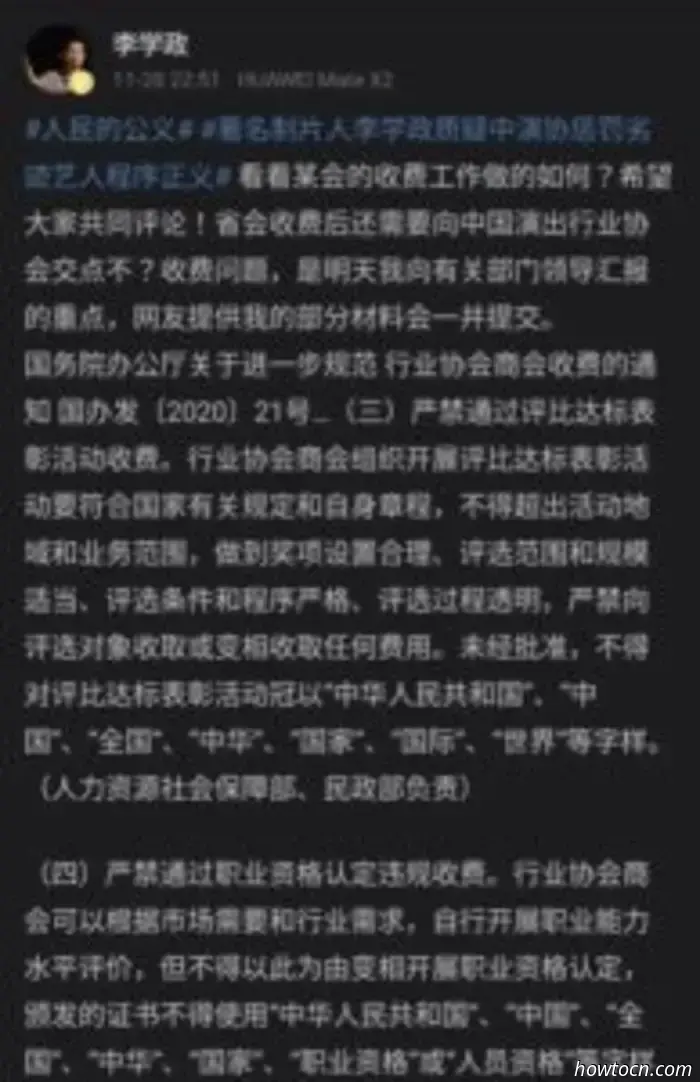
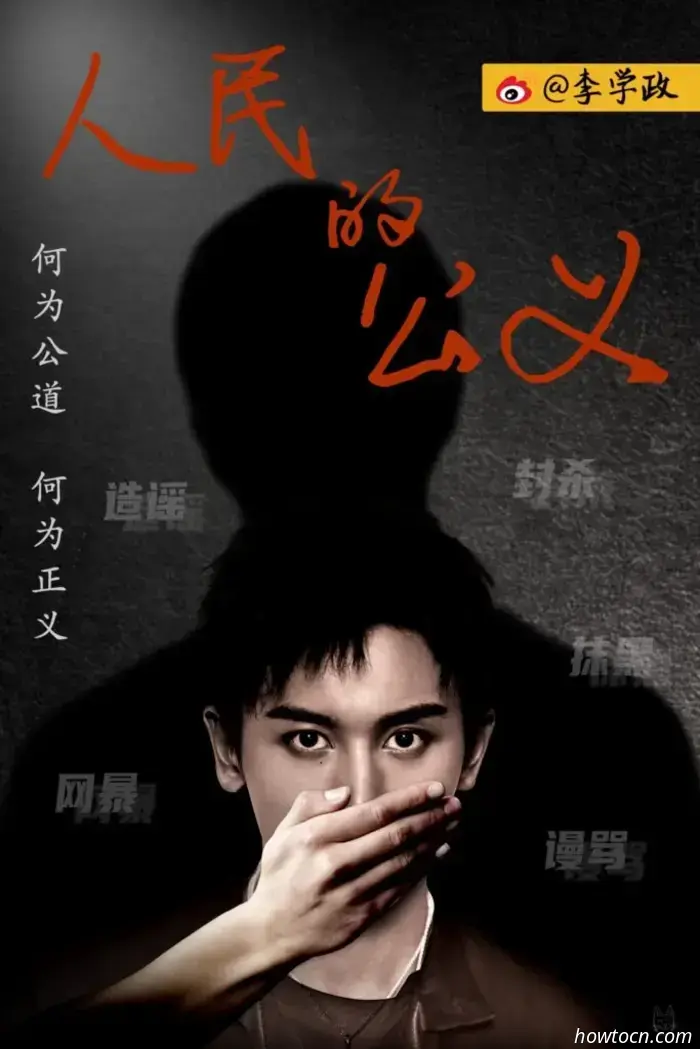
.jpg)
Have you detected a gag-reflex-inducing, sulfurous, sewer-like odor coming from the bathroom in your Chinese apartment?

Prior to the Lunar New Year of 2022, a video surfaced on Chinese social media showing a woman chained by her neck to a wall. The incident involving Little Plum Blossom has resonated across China in a manner that earlier human trafficking cases have not.
Ngan Shun-kau, the ex-Red Guard leader who has become a literary editor, interprets the significance of the two Chinese proverbs referenced by Xi Jinping and the Ministry of Foreign Affairs in relation to the Russia-Ukraine conflict.
Longtime Hainan resident Nicki Johnson pays tribute to the island that has influenced her life.
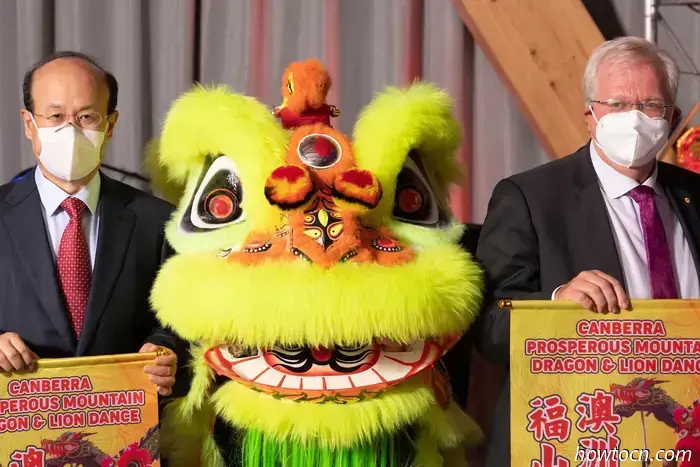
Biography of Xiao Qian: The New Chinese Ambassador to Australia and His Role in China-Australia Relations
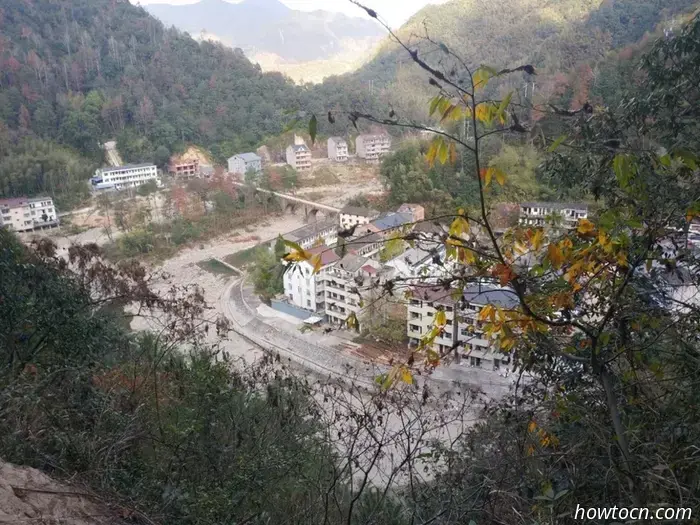
In 2019, Zhejiang province reported that 99 percent of its villages had access to tap water, establishing itself as a national frontrunner in providing safe drinking water to rural communities. However, in Wood-Stone Village, a small settlement located about 350 km from Hangzhou in the mountainous region of Zhejiang province, residents have been forced to rely on inadequately treated river water due to a lack of drinkable tap water exacerbated by drought and unusually cold weather. This situation calls into question the government's centralized strategy for supplying water to rural areas and raises concerns about how villages across China will manage the severe effects of climate change on drinking water availability.
The year 2021 witnessed a series of notable celebrity cancellations, such as actor Zhang Zhehan, known for the popular danmei 耽美 (Boys' Love) series Word of Honor, pop star Kris Wu 吴亦凡 who was detained on allegations of rape, and actress Zheng Shuang 郑爽 who faced penalties for tax evasion. The emergence of this heightened culture of celebrity cancellations in China is not solely driven by authentic social sentiments or the tightening control of the Party-State; instead, it is fueled by an increasingly competitive industry with monopolistic influence that spans social media platforms, streaming and video-sharing services, along with state-run media.