
When you choose to travel to China, you are not merely visiting another location on the map; you are entering a vast nation with a rich history and culture spanning thousands of years, a society influenced by significant events, and a government that carefully regulates what is visible and audible. From the outside, it may appear impressive and orderly, yet beneath the surface lie real contradictions and complexities that are crucial to grasp before your visit.
China's leaders meticulously control the narrative of history. Major traumatic events, such as the Cultural Revolution—during which millions faced persecution, forced labor, or death—are acknowledged, yet they are framed as errors rather than profound failures. The Great Leap Forward, a large-scale campaign aimed at modernizing the nation, led to a famine resulting in millions of starvation-related deaths; today, it is often portrayed in ways that absolve the system of blame. The Hundred Flowers Campaign initially offered freedom of expression but later punished those who spoke out. The Tiananmen Square massacre of 1989, which violently quelled pro-democracy protests, remains a topic of silence within China. These historical events are not erased, but are skillfully contextualized so that they do not undermine the narrative the state wishes the public to embrace.
Simultaneously, the Chinese government claims ownership over nearly everything. The state possesses almost all land in China, denying citizens true private property rights; individuals are granted leaseholds for typically 70 or 90 years, allowing them to occupy or utilize land while the state retains ultimate authority. Citizens lack full human rights, with labor camps and prisons still in operation for political reasons, and tens of thousands of executions carried out to uphold law and order. Ethnic minority groups such as the Uighurs in Xinjiang face strict limitations and forced labor. Taiwan is regarded as part of China, despite global recognition of its independence. Tibet’s cultural identity has been suppressed, and dissent is treated as disorder rather than genuine disagreement. Moreover, urban air quality is frequently alarmingly poor, rivers are contaminated, and signs of environmental degradation are pervasive. As a visitor, you can sense the weight of these contradictions—the allure of the cities and landscapes contrasted with evidence of suffering, control, and ecological devastation.
While violent crime against tourists is uncommon, scams do occur, necessitating vigilance. In crowded tourist areas like Tiananmen Square or the Bund in Shanghai, you may encounter strangers offering to practice their English or inviting you to a tea house or “art show,” resulting in an unexpectedly hefty bill. Fake taxi drivers can take longer routes or refuse to utilize the meter, while street vendors might sell counterfeit items at inflated prices. Other scams involve impersonating police to extort money, overpriced massage services, or creating a scene to divert blame. These deceptions persist despite the country's stringent control, illustrating that one can still fall victim if not cautious.
Violent tragedies have occurred as well, with international students and expatriates occasionally becoming targets of attacks, serving as a reminder that while rare, serious risks exist. Additionally, China’s natural environment poses challenges for travelers. Certain regions of the country are susceptible to earthquakes, and past quakes, such as the devastating 2008 Sichuan earthquake, resulted in tens of thousands of casualties and exposed serious flaws in construction standards. Many infrastructures, including bridges, schools, and high-rise buildings hastily erected during modernization, were poorly constructed and may fail under pressure. Significant earthquakes have also occurred over time, with powerful tremors in Tibet destroying homes and causing numerous fatalities, illustrating that nature does not heed borders or governance.
Thus, when visiting China, do not view it merely as another destination with landmarks and cuisine; you are entering a curated reality—an environment where history is selectively presented, where government oversight is omnipresent, and where one must remain vigilant to evade scams, physical hazards, and legal issues. It is a captivating land rich in ancient culture and vibrant life, yet also a realm of contradictions—extraordinary beauty and modern influence coexisting alongside pollution, unspoken suffering, stringent control, and environmental threats. As a visitor, you will encounter all of these aspects simultaneously.

Beijing is an exciting city! Stay updated with our weekend summary of the newest news.
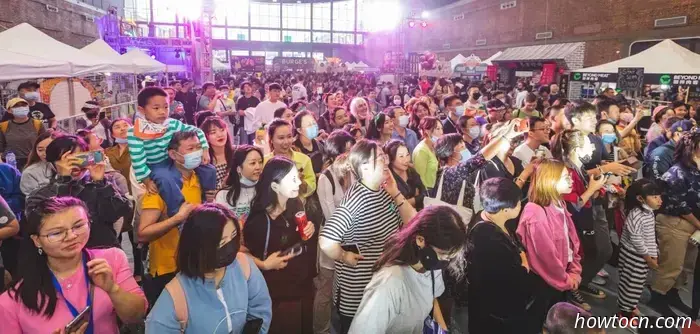
Live performances, engaging dancing, a Battle of the Bands, and additional activities.

Below are responses to frequently asked questions regarding the event, as well as directions to the venue.
.jpg)
Culturopolis has arrived, and next week in Beijing, there will be a bag-making workshop and a unique Spittoon event.

The largest day in American football is approaching next week!

Discover daily necessities in person.
When you choose to visit China, you’re entering a vast nation rich in thousands of years of history and culture. It’s a society influenced by significant events and governed by strict control over what you perceive and hear. While it may outwardly seem impressive and orderly, there are genuine contradictions and complexities that are crucial to grasp before your journey.