
If you peruse the travel alerts from Beijing, you might envision Japan as a land rife with hidden earthquakes, roaming bears, and potential violence lurking in shadowy alleyways. The warnings have an air reminiscent of a disaster movie trailer. They seem to caution travelers to steer clear of the island, or else risk the ramifications of history and nature turning against them. Nonetheless, Japan is home to over 120 million people, and its homicide rates are remarkably low compared to global statistics. In recent years, the annual toll has fluctuated between approximately 250 to 320 homicide victims. This figure represents the total violent death count in a country larger than many combined continents of cities. If Japan has danger, it isn’t due to strangers targeting tourists on the streets.
Japan’s more profound issues are subtle. Around 20,000 individuals take their own lives each year. While this figure has gradually decreased from its early-2000s peak, the weight of loneliness remains significant. Documented instances of online suicide pacts have emerged, where strangers connect in the digital realm and decide to end their lives together. Though uncommon, they are haunting. Additionally, there are countless unclaimed deceased individuals. Due to an aging population and social isolation, Japanese local governments cremate tens of thousands of unclaimed bodies annually, typically between 30,000 and 40,000. This reflects a national sorrow for those who departed without anyone to mourn them.
Simultaneously, Chinese nationals persist in purchasing properties in Japan. Unlike China, where land is state-owned with long-term use rights, in Japan, foreigners can completely own land and buildings. For some buyers, Japan symbolizes stability, legal certainty, and a serene place to retire, rather than a political statement.
However, history is perpetually loud. In the First Sino-Japanese War, Japan overcame Qing China and gained Taiwan via the Treaty of Shimonoseki. This was followed by the invasion of China, where the atrocities of the Nanjing Massacre and the biological warfare experiments conducted by Unit 731 took place. These documented horrors remain sources of historical anguish. Yet, the twentieth century was not gentle anywhere in the world. European empires ravaged Africa, Belgium's governance in the Congo caused immense suffering, the United States endured both slavery and the systemic inequalities of Jim Crow laws, Russian serfs were bound to estates under czarian rule until the 19th century, and the Ottoman Empire committed genocide against Armenians. Empire often equated to violence cloaked in power.
China too grapples with its shadows. The Great Leap Forward led to an unprecedented famine, with scholarly estimates of excess deaths ranging from about 15 to over 30 million. The Cultural Revolution fractured families, disrupted education, and obliterated cultural traditions under the guise of ideological purity. The One-Child Policy transformed Chinese demographics, resulting in a skewed sex ratio and implementing both voluntary and, in some areas, coercive reproductive measures.
The Tiananmen Square protests continue to carry significant political and historical sensitivity. While exact fatality counts are disputed, the event is widely acknowledged as a pivotal moment in contemporary Chinese political history.
Modern geopolitics introduces another complexity. Following the invasion of Ukraine, China persists in its energy purchases from Russia and upholds intricate economic ties with North Korea, which sporadically launches missiles that approach or cross over Japan. The region resembles a densely populated chessboard where history unfolds through economic relations, military strategies, and diplomatic discourse.
There have also been sporadic violent crimes that exacerbate public memories. The 2003 Fukuoka family murder case saw Chinese nationals brutally kill a Japanese family in Japan, a shocking event that stirred considerable national discussion. In 2024, assaults in China included the lethal stabbing of a Japanese child in the Shenzhen incident and another attack in Suzhou involving Japanese citizens. While these were isolated offenses rather than coordinated attacks, they became emblematic in a larger political context.
Between these two nations lies trade, history, pride, and mistrust. Travel warnings can often feel more like theatrical diplomacy than genuine safety guidelines.
Both nations transcend their governments and their darkest histories. Yet, the weight of history looms large over the present.
Ultimately, I find myself contemplating stillness. In Buddhist traditions tied to Zen and broader contemplative philosophies, attachment is frequently seen as the root of suffering. Nations are merely broader reflections of the human experience—proud, scarred, remembering, forgetting, competing, and sometimes acting out of fear.
Like a monk observing water flowing under a bridge, one can witness history without the impulse to cling to it. The river doesn’t compel one to take sides; it simply moves forward. Some approach the world, while others retreat from it. Both are forms of existing in a restless era.
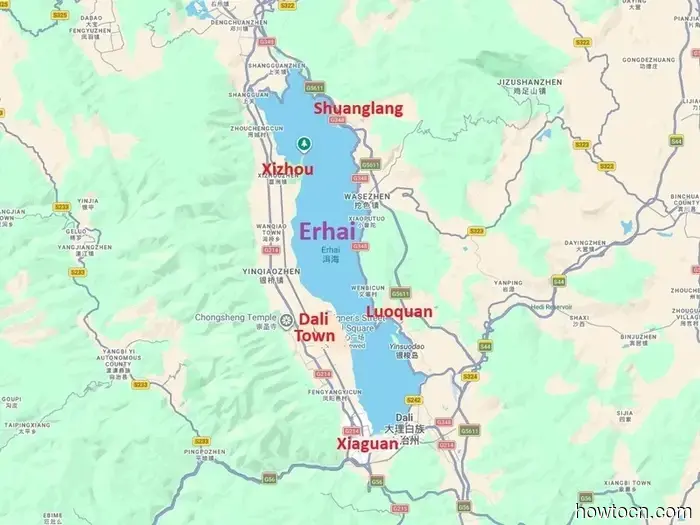
07/25/2025 - 07/25/2025 View Asia 2025 on zzlangerhans's travel map.

One of the things I cherish most about Asia, apart from the wonderful people and beautiful landscapes, is the abundance of tuk tuks and rickshaws. Where I'm from, they wouldn't really be practical. But here, when you've got blisters from all that walking (not me, Toni with his new Crocs)? No issue, a tuk tuk pulls up right next to you. Looking for the mall? No worries, a rickshaw stops by just for you (in India, we had an amazing day sightseeing, and it was all thanks to stopping to chat with our driver). Need a ride to the airport? No problem, tuk tuks are everywhere.
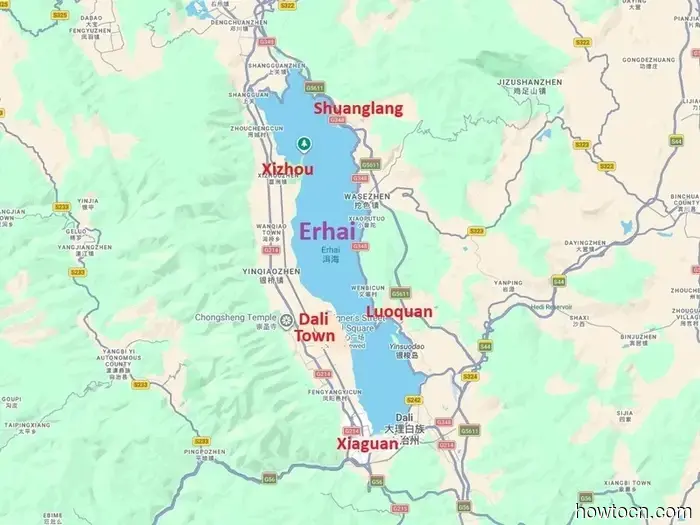
07/25/2025 - 07/25/2025 View Asia 2025 on zzlangerhans's travel map.
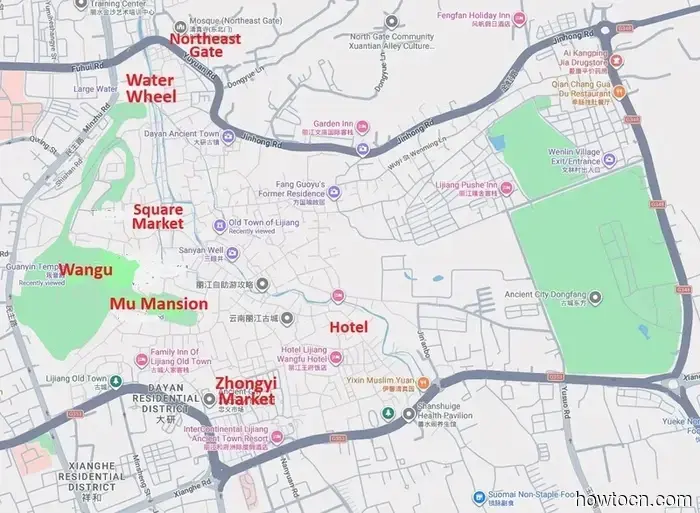
07/17/2025 - 07/18/2025 View Asia 2025 on zzlangerhans's travel itinerary.
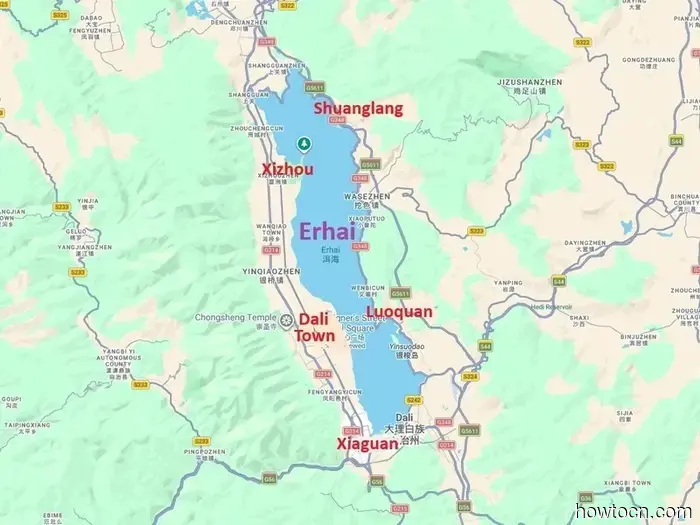
07/25/2025 - 07/25/2025 View Asia 2025 on zzlangerhans's travel map.
If you look at the travel alerts issued from Beijing, you might picture Japan as a land of hidden earthquakes, roaming bears, and unexpected violence quietly waiting in shadowy streets. The messages have the vibe of a disaster movie preview. Stay away from the island, they appear to warn, or you may find yourself at odds with history and nature.
Upon reading the travel alerts issued from Beijing, one might envision Japan as a land riddled with hidden earthquakes, roaming bears, and unpredictable violence poised in shadowy alleys. The alerts have the feel of a disaster movie preview. They convey the message to steer clear of the island, lest you find yourself at the mercy of history and nature.