
07/25/2025 - 07/25/2025
View
Asia 2025
on zzlangerhans's travel map.
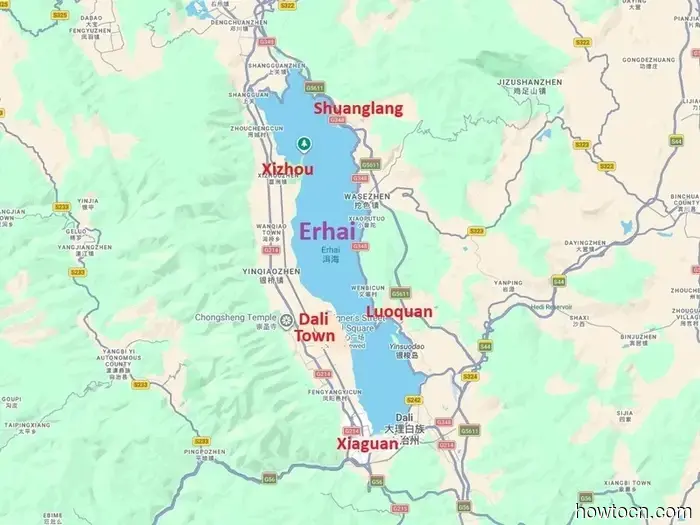
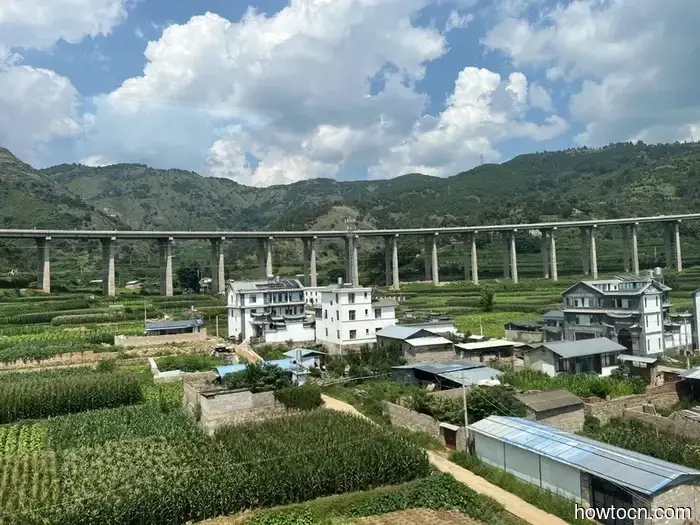
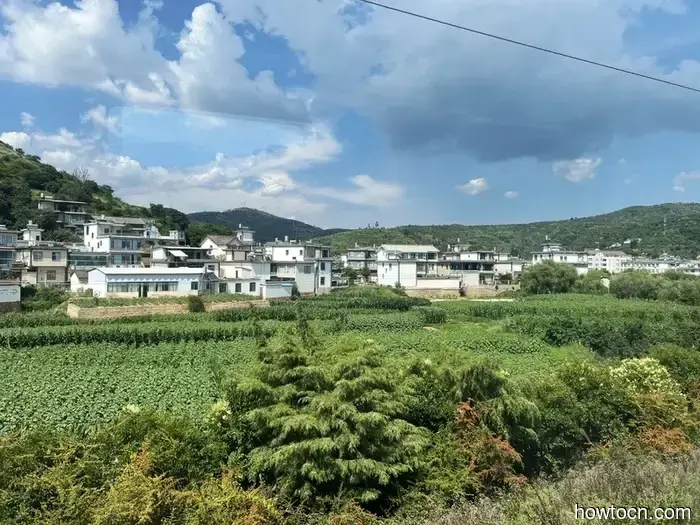
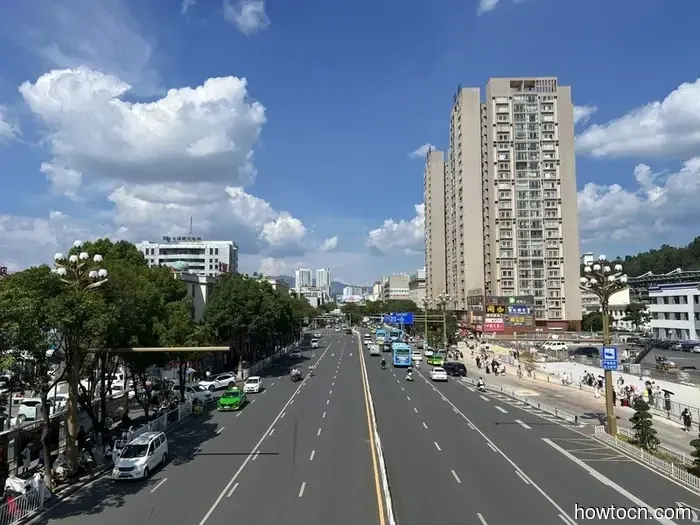
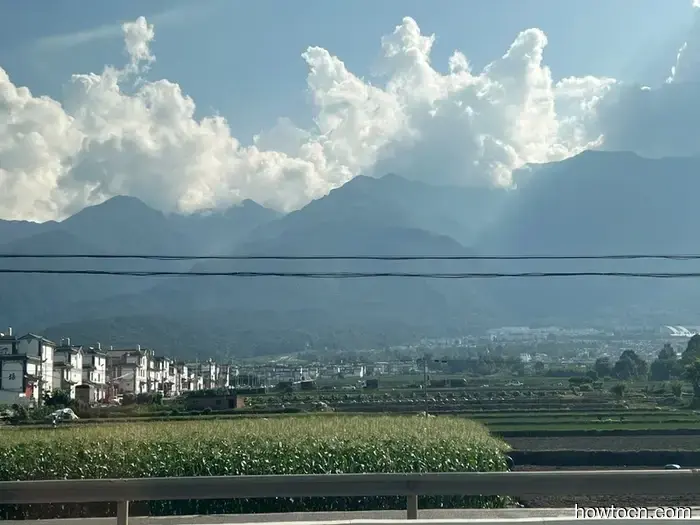
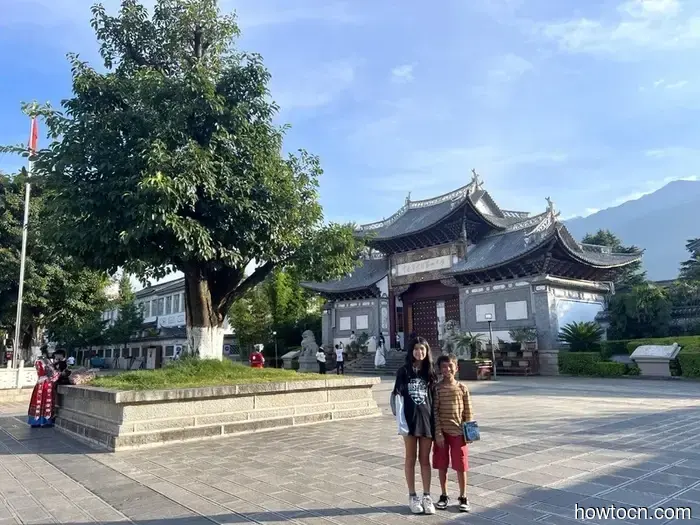
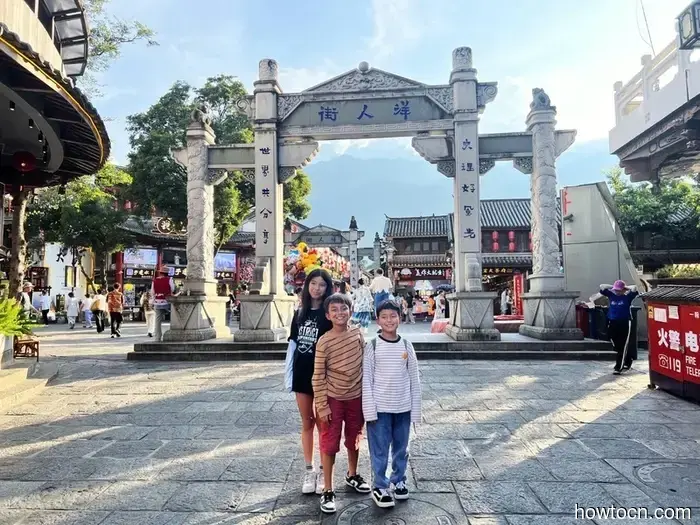
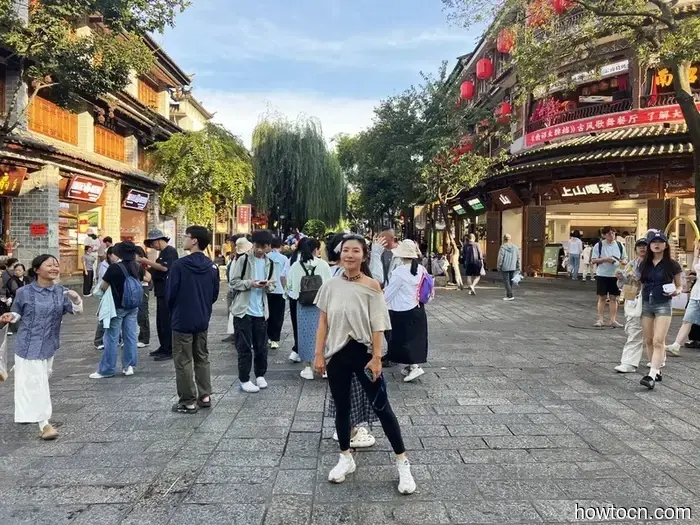
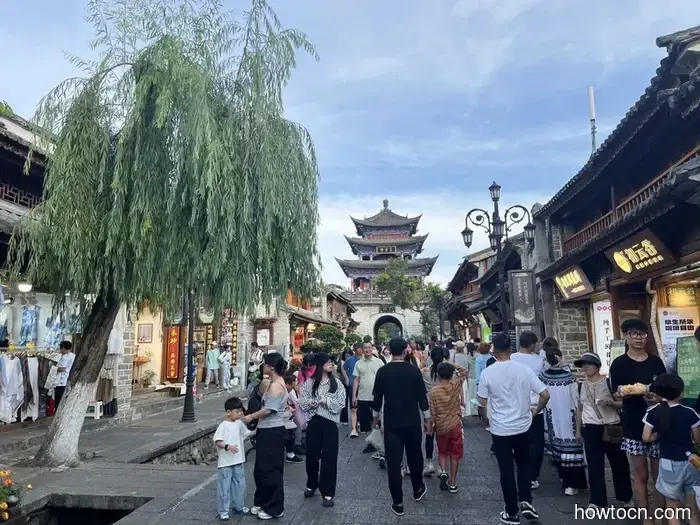
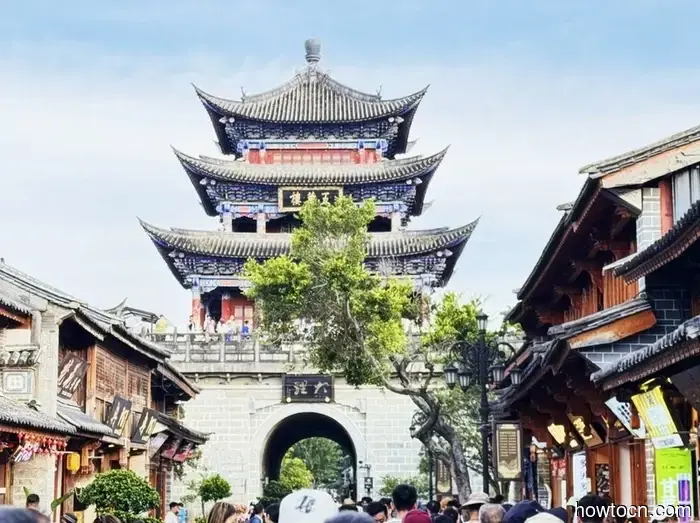
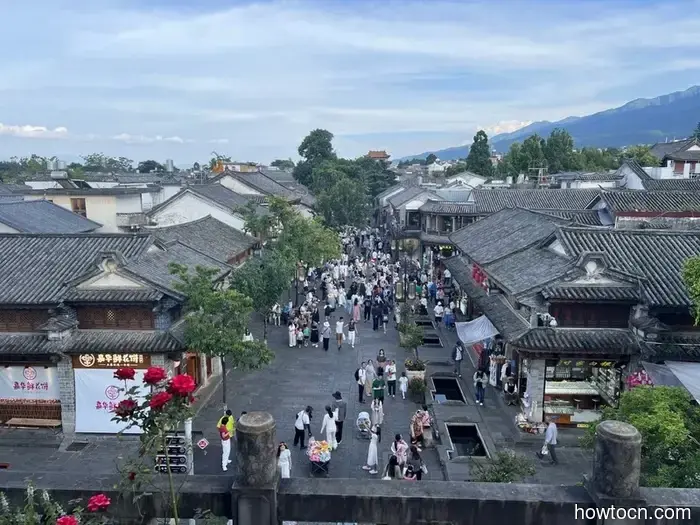
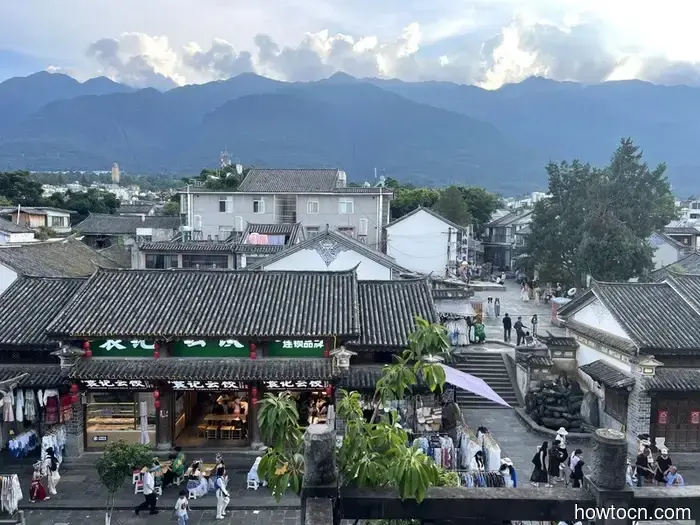
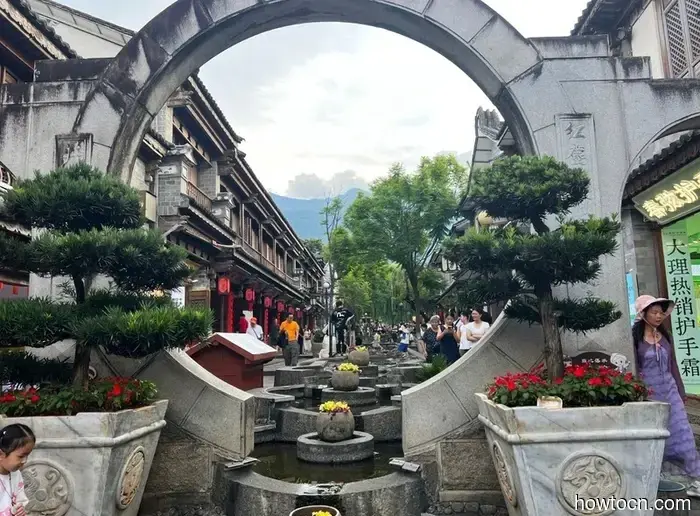
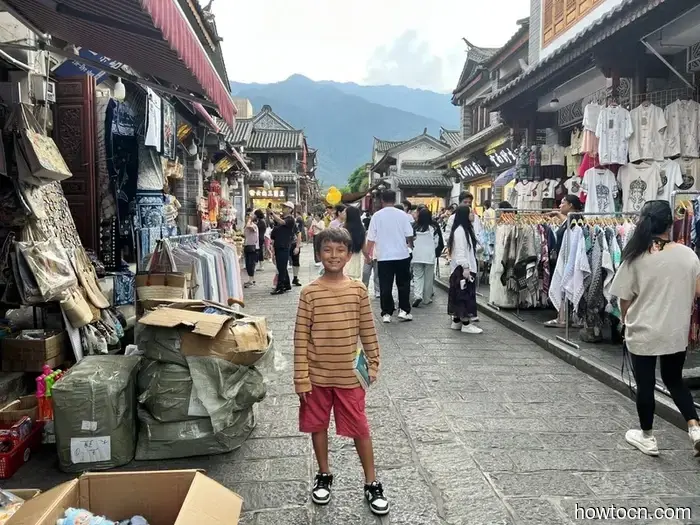
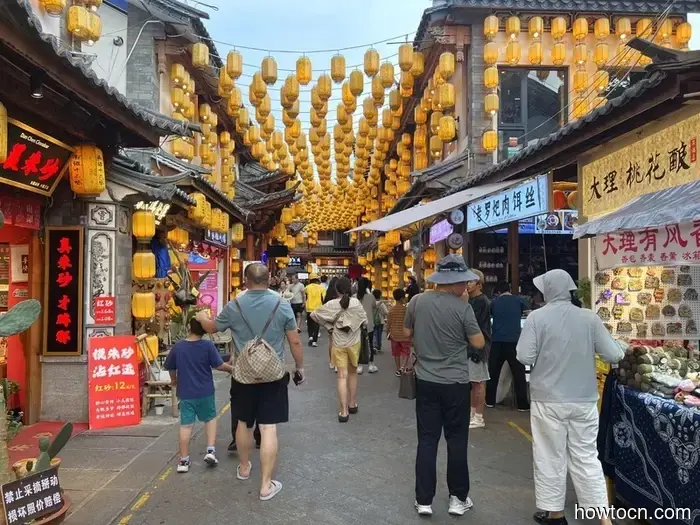
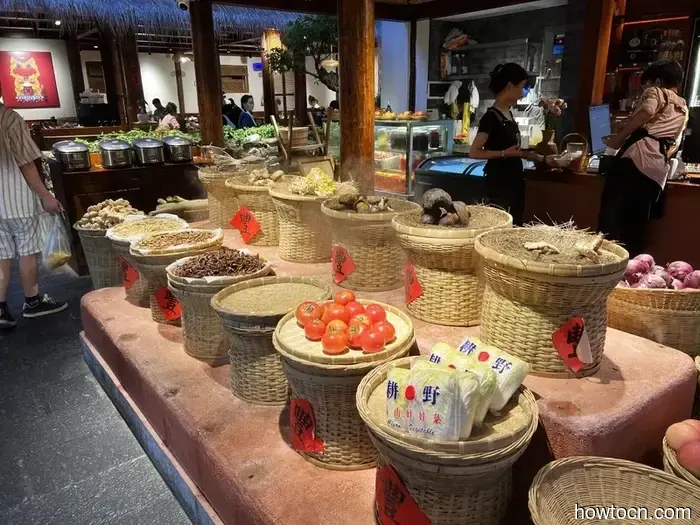
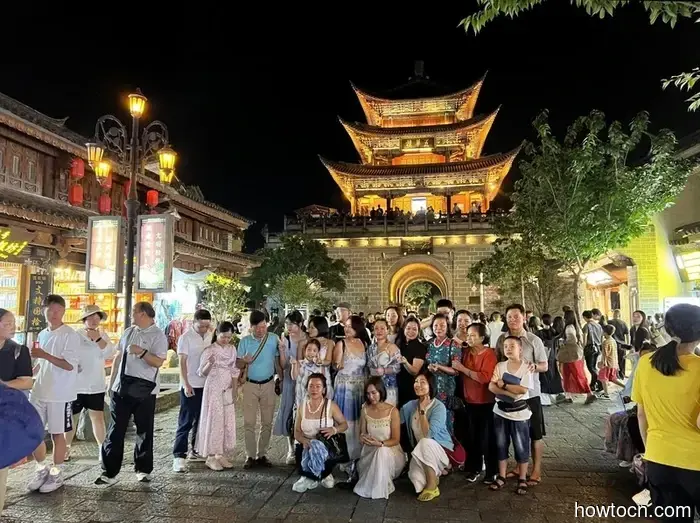
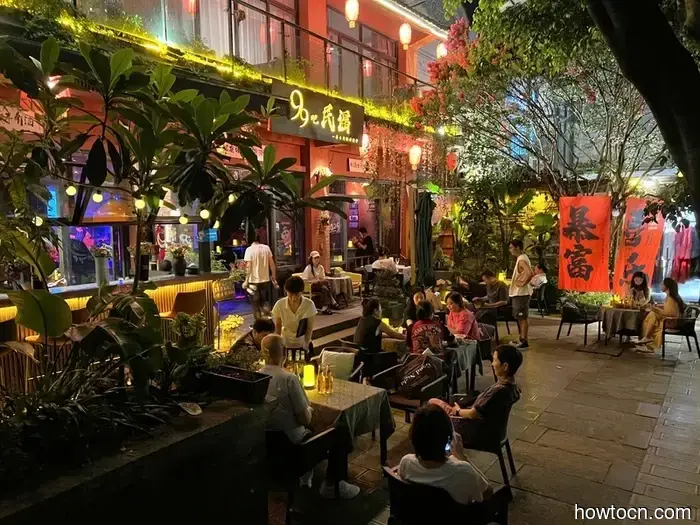
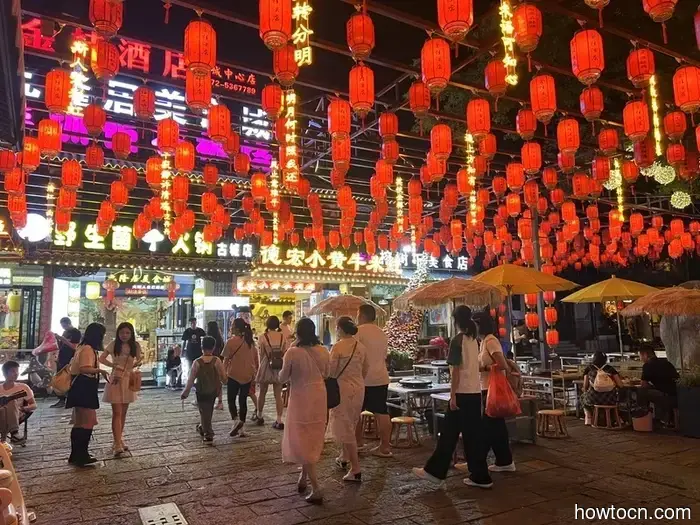
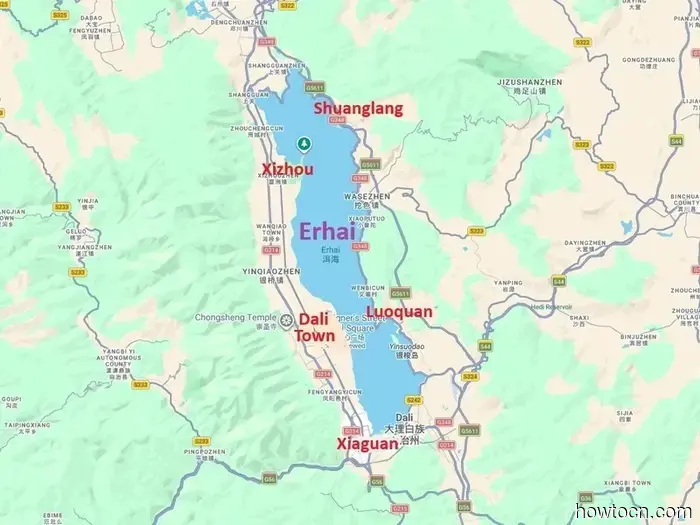
As our train moved swiftly from Lijiang to Dali, I reviewed my notes and refined our plans. In Lijiang, we had made the error of trying to do too much outside the city itself and had overlooked its essence. Dali is situated on the western shore of a long lake known as Erhai, and there was a seemingly endless list of ancient towns and tourist attractions surrounding its edges. We would need to resist the temptation to see them all. The boxy white houses visible from the train window resembled those around Lijiang in some aspects, but simple metal roofs appeared to be more favored than traditional clay shingles. There were vast farmlands with various green leafy plants growing in irregular plots. The railway station was located at the southern tip of Erhai, in a sprawling metropolitan area called Xiaguan. The Lonely Planet had warned that this area was also referred to as Dali, and one should be cautious not to confuse it with the ancient town of Dali, which is a thirty-minute drive north. Mixing up the two would have been unfortunate since Xiaguan was simply a standard urban center with little to set it apart from other Chinese cities. We had to drag our luggage across an overpass to get to the transportation area, where we found ourselves in a massive crowd competing for every bus and taxi. Thankfully, Mei Ling had her DiDi app so we wouldn't have to struggle for a taxi, although we waited nearly thirty minutes for our driver to navigate through the traffic. As we drove toward the ancient town, we got our first glimpse of the Cangshan mountain range, which bordered the populated area next to the lake. Mei Ling had booked our short-term apartment through a Chinese website. It was a rather unremarkable place located in a network of narrow alleys in the old city, and I didn't take any photos of it. We quickly dropped off our bags and headed out again, eager to explore a new major city in Yunnan. We walked a few blocks west to a bustling pedestrian area filled with traditionally styled buildings of questionable authenticity. Unlike Lijiang, which had experienced reconstruction due to earthquake damage, most of the buildings and façades here had been rebuilt in a historic architectural style to attract the growing tourism market. The two busiest commercial pedestrian streets, Fuxing and Huguo, intersected at a lively square featuring a concrete pailou gate. Huguo Street, also known as Foreigner Street, used to be home to numerous hostels and guesthouses that catered to backpackers drawn by the city’s bohemian allure in the 1990s. That scene and the backpackers have since moved on, and I only spotted one other westerner among the thousands wandering the streets. As we continued south through the crowds on Fuxing Street, we approached a multilevel tower that spanned the street with a central archway for pedestrians to walk beneath. Wǔhuá Lóu is a modern reconstruction of a tower that was originally built during the Tang dynasty in the ninth century. Over the years, the tower has been destroyed and rebuilt multiple times, so the current version can be seen as part of this ongoing cycle. Historically, the tower served as a reception hall for foreign dignitaries and as a monument to the five directions and five elements. From the balcony on the upper level of Wǔhuá Lóu, we had an overhead view of Fuxing Street. The shingled roofs with overhanging eaves reminded me of those in Lijiang, but the wider streets made the crowds feel less overwhelming. To the west, fluffy clouds floated above the dramatic Cangshan range. Similar to Lijiang, great effort had been made to create vignettes that were ideal for photographs. One side street featured a tiered fountain that concluded in a concrete ring, perfectly framing both the fountain and the atmospheric street behind it. Across from this, there was an open square known as Dali Culture Park, where a circle of women danced around a log pyre under the watchful eye of a gold-painted statue of a soldier holding a rifle. I wondered if the logs were for the torch festival scheduled for that weekend in Dali. We continued down Fuxing Street until we reached a night market filled with food stalls, clothing shops, and carnival games. We purchased green juices at a stall piled high with succulent prickly pear cactus pads, along with limes, avocados, papayas, and passion fruit. Golden lanterns strung across the alleys symbolized prosperity and good fortune. In a small plaza, we encountered young women in flowing silk robes performing a Han-style classical dance, their




One aspect of Asia that I adore the most, aside from the wonderful people and breathtaking scenery, is the abundance of tuk-tuks and rickshaws. In my hometown, they wouldn’t be very practical. But here, if you have sore feet from all the walking (not me, but Toni with his new crocs), no worries—a tuk-tuk will just pull up beside you. Looking for the mall? No worries, a rickshaw will arrive at your side (we had the best day touring in India, all thanks to stopping to chat with our driver). Need a ride to the airport? No problem—tuk-tuks are everywhere.
One of the things I cherish most about Asia, apart from the wonderful people and beautiful landscapes, is the abundance of tuk tuks and rickshaws. Where I'm from, they wouldn't really be practical. But here, when you've got blisters from all that walking (not me, Toni with his new Crocs)? No issue, a tuk tuk pulls up right next to you. Looking for the mall? No worries, a rickshaw stops by just for you (in India, we had an amazing day sightseeing, and it was all thanks to stopping to chat with our driver). Need a ride to the airport? No problem, tuk tuks are everywhere.
07/25/2025 - 07/25/2025 View Asia 2025 on zzlangerhans's travel map.
One thing I appreciate most about Asia, apart from the wonderful people and beautiful landscapes, is the abundance of tuk tuks and rickshaws. Where I’m from, they wouldn't be practical at all. But here, if you're exhausted from walking (not me, that’s Toni with his new crocs), it's no issue—there's a tuk tuk right beside you. Looking for the mall? No problem, a rickshaw will pull up next to you (our best day of touring in India was simply because we stopped to chat with our driver). Need a ride to the airport? No worries, tuk tuks are everywhere.
If you look at the travel alerts issued from Beijing, you might picture Japan as a land of hidden earthquakes, roaming bears, and unexpected violence quietly waiting in shadowy streets. The messages have the vibe of a disaster movie preview. Stay away from the island, they appear to warn, or you may find yourself at odds with history and nature.
Upon reading the travel alerts issued from Beijing, one might envision Japan as a land riddled with hidden earthquakes, roaming bears, and unpredictable violence poised in shadowy alleys. The alerts have the feel of a disaster movie preview. They convey the message to steer clear of the island, lest you find yourself at the mercy of history and nature.
07/25/2025 - 07/25/2025 View Asia 2025 on zzlangerhans's travel map.