
If you peruse the travel alerts issued from Beijing, you might envision Japan as a land rife with lurking earthquakes, roaming bears, and acts of violence quietly waiting in the shadows. The warnings resonate like a trailer for a disaster movie. They seem to advise against visiting the island, implying that both history and nature may turn against you. However, Japan is home to over 120 million individuals, and its homicide rates are remarkably low by global standards. In recent years, the annual number of homicide victims has ranged from about 250 to 320. This figure encompasses the entire violent death toll in a nation larger than many continent-sized aggregations of cities. If Japan poses any danger, it is not due to strangers stalking tourists in the streets.
Japan's more profound struggle is subtler. Each year, around 20,000 individuals die by suicide. Although this figure has gradually decreased since its peak in the early 2000s, it still carries a weight of loneliness. There have been documented instances of online suicide pacts, where strangers meet in the virtual dark to leave life together. These cases are rare but deeply unsettling. Additionally, the unclaimed deceased create another layer of sorrow. Due to aging demographics and social isolation, Japanese municipalities cremate tens of thousands of unclaimed bodies each year, often between 30,000 and 40,000. It is a nation that bears the administrative burden of those who departed without anyone to answer a call.
Meanwhile, Chinese citizens continue to invest in property in Japan. In Japan, land and buildings can be fully owned by foreigners, whereas in China, land belongs to the state and is subject to long-term usage rights rather than outright ownership. For some buyers, Japan signifies stability, legal predictability, and a quiet place to retire, rather than a political statement.
However, history is anything but silent. In the First Sino-Japanese War, Japan defeated Qing China and obtained Taiwan via the Treaty of Shimonoseki. This was followed by the invasion of China and the atrocities linked to the Nanjing Massacre and the biological warfare experiments conducted by Unit 731. These documented horrors remain sources of historical anguish. Yet the twentieth century was not characterized by moral gentility anywhere. European empires divided Africa. Belgium's governance of the Congo led to immense suffering. The United States endured slavery and later institutional segregation under Jim Crow laws. Russian peasants were tied to estates under the czars until the 19th century. The Ottoman Empire perpetrated the mass killing of Armenians. Empire frequently manifested as violence donning a crown.
China has its own dark chapters. The Great Leap Forward caused widespread famine, with scholarly estimates of excess deaths ranging from around 15 to over 30 million. The Cultural Revolution devastated families, schools, and cultural traditions in pursuit of ideological purity. The One-Child Policy altered Chinese demographics, resulting in a sex-ratio imbalance and involving both voluntary and, in some areas, coercive reproductive controls. The Tiananmen Square protests remain a politically and historically sensitive topic. While exact death tolls are contested, the event is generally seen as a pivotal moment in modern Chinese political history.
Modern geopolitics introduces another dimension. China continues to procure energy from Russia following the invasion of Ukraine and maintains intricate economic ties with North Korea, which occasionally launches missiles near or over Japan. The region resembles a crowded chessboard where history unfolds through economic interactions, military strategies, and diplomatic discourse.
Additionally, isolated violent crimes can stir public remembrance. In 2003, the Fukuoka family murder case involved Chinese nationals killing a Japanese family in Japan—a shocking incident that garnered substantial attention. In 2024, violent acts in China included the fatal stabbing of a Japanese child in Shenzhen and another attack in Suzhou involving Japanese nationals. Although these were individual crimes rather than organized efforts, they became emblematic in a broader political dialogue.
Between these two nations exist trade, history, pride, and distrust. Travel warnings often seem less like safety precautions and more like diplomatic performances. Both countries are more complex than their governments or their darkest moments. Yet, history weighs heavily on the present.
In the end, I reflect on stillness. In Buddhist traditions related to Zen and broader contemplative philosophy, attachment is often seen as the source of suffering. Nations are merely larger reflections of the human heart—proud, hurt, remembering, forgetting, competing, and sometimes reacting out of fear. Like a monk observing river water flow beneath a bridge, one may witness history without the urge to control it. The river does not demand that the observer pick sides; it merely flows. Some individuals move toward the world, while others retreat from it. Both paths are forms of breathing in a restless era.
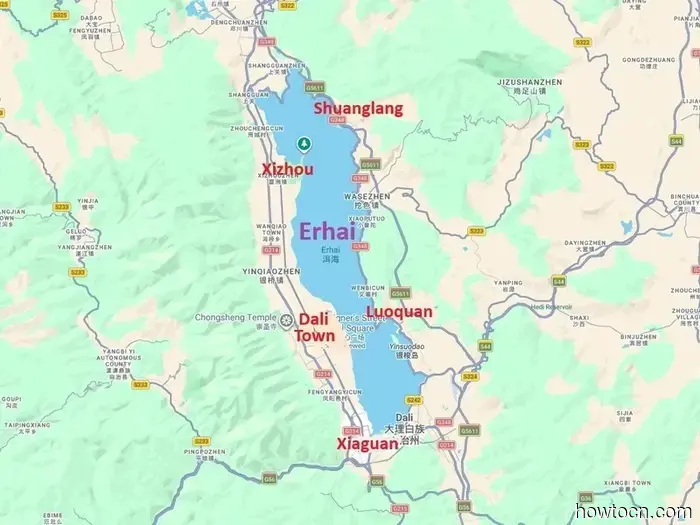
07/25/2025 - 07/25/2025 View Asia 2025 on zzlangerhans's travel map.
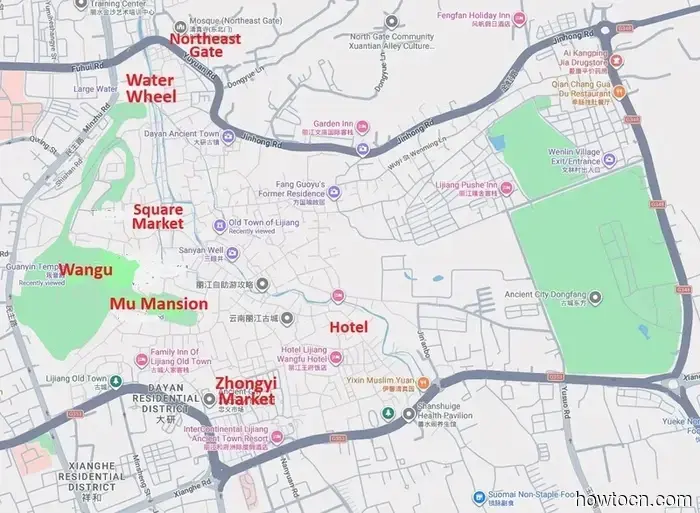
07/17/2025 - 07/18/2025 View Asia 2025 on zzlangerhans's travel itinerary.
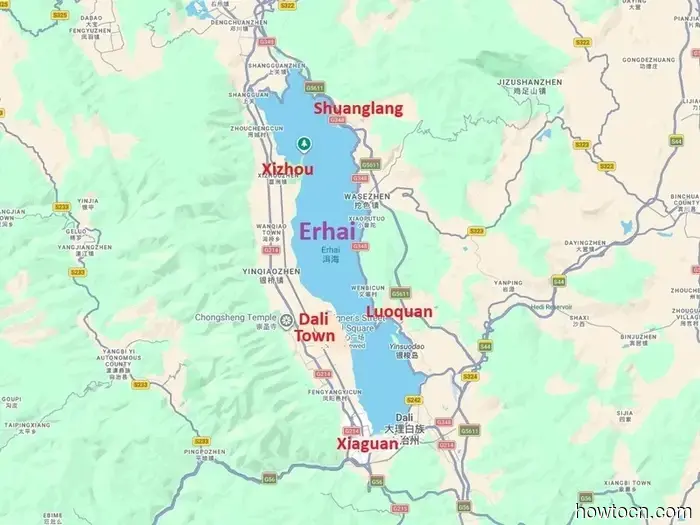
07/25/2025 - 07/25/2025 View Asia 2025 on zzlangerhans's travel map.
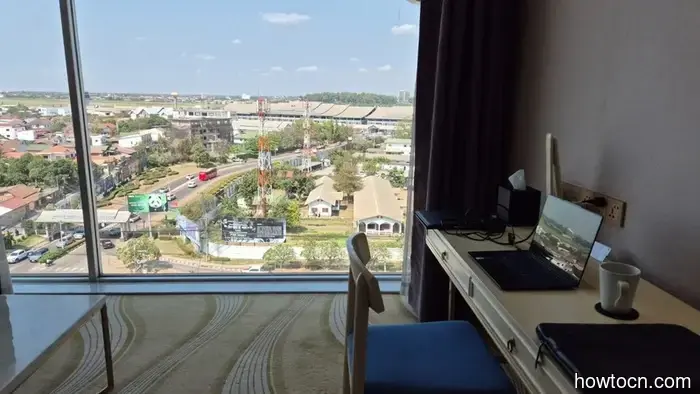
One thing I appreciate most about Asia, apart from the wonderful people and beautiful landscapes, is the abundance of tuk tuks and rickshaws. Where I’m from, they wouldn't be practical at all. But here, if you're exhausted from walking (not me, that’s Toni with his new crocs), it's no issue—there's a tuk tuk right beside you. Looking for the mall? No problem, a rickshaw will pull up next to you (our best day of touring in India was simply because we stopped to chat with our driver). Need a ride to the airport? No worries, tuk tuks are everywhere.
One aspect of Asia that I adore the most, aside from the wonderful people and breathtaking scenery, is the abundance of tuk-tuks and rickshaws. In my hometown, they wouldn’t be very practical. But here, if you have sore feet from all the walking (not me, but Toni with his new crocs), no worries—a tuk-tuk will just pull up beside you. Looking for the mall? No worries, a rickshaw will arrive at your side (we had the best day touring in India, all thanks to stopping to chat with our driver). Need a ride to the airport? No problem—tuk-tuks are everywhere.
Upon reading the travel alerts issued from Beijing, one might envision Japan as a land riddled with hidden earthquakes, roaming bears, and unpredictable violence poised in shadowy alleys. The alerts have the feel of a disaster movie preview. They convey the message to steer clear of the island, lest you find yourself at the mercy of history and nature.
If you look at the travel alerts issued from Beijing, you might picture Japan as a land of hidden earthquakes, roaming bears, and unexpected violence quietly waiting in shadowy streets. The messages have the vibe of a disaster movie preview. Stay away from the island, they appear to warn, or you may find yourself at odds with history and nature.