Though coffee was introduced to China's southwestern Yunnan province by French missionaries in the 1880s, it wasn’t until the 1990s that coffee drinking truly gained momentum in China. This increase was supported by local production and the arrival of the first Starbucks in the country. To declare a rise in coffee consumption in China since 1988 would be an understatement; data from International Comunicaffe indicates that it has surged over 1,000 percent in the last 14 years. In light of this, it’s an opportune moment to familiarize yourself with Chinese coffee vocabulary.
The fundamental term for coffee is 咖啡 kāfēi, derived from the French word café, and the English term "café" translates to 咖啡店 kāfēi diàn. Below are some classic coffee drinks you can find at your local kafei dian:
Americano 美式咖啡 Měishì kāfēi – This is the simplest coffee available in cafés, made by diluting espresso with hot water, resulting in a longer drink that is favored in the U.S., hence its name.
Latte 拿铁 Nátiě – A combination of espresso and steamed milk, topped with a small amount of foam.
Cappuccino 卡普奇诺 Kǎpǔjīnuò – This drink contains less milk and more foam than a latte, creating a cap-like appearance on top of the coffee.
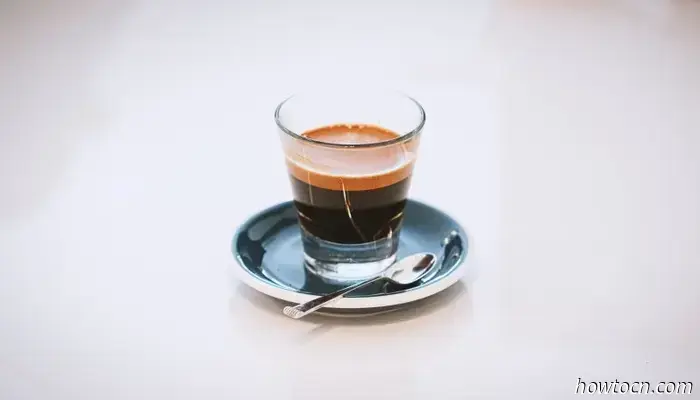
Espresso 浓缩 / 浓缩咖啡 Nóngsuō / Nóngsuō kāfēi – A strong, concentrated black coffee made by forcing steam through finely ground coffee beans. Most cafés serve this as shots that can be ordered individually or added to other coffee drinks for an extra boost.
Mocha 摩卡 Mókǎ – Essentially coffee mixed with milk and a type of chocolate flavoring, typically cocoa powder.
Macchiato 玛奇朵 Mǎqíduǒ – An espresso drink with just a teaspoon or two of steamed milk.
Additionally, there are unique coffee drinks found on various kafei dian menus throughout China. Some of these drinks originate from Australia (澳大利亚 àodàlìyà) and commonly include the character 澳 ào in their name. Here are some of the most popular unusual drinks:
Flat White 澳白 Àobái – The "flat" refers to the thin layer of foam on top of two shots of espresso and steamed milk, highlighting the espresso's flavor.
Long Black 澳黑 Àohēi – Created to suit American visitors to Australia, the Long Black differs from an Americano as the espresso is poured over hot water, preserving the crema and bold flavor.
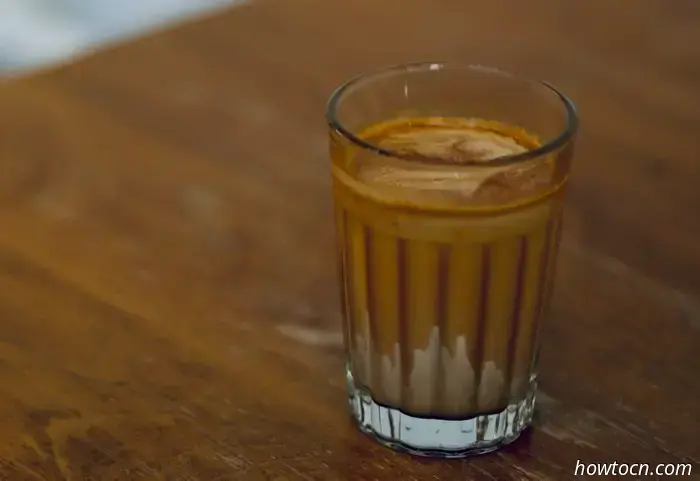
Dirty 脏咖啡 Zàng kāfēi – Essentially a simple espresso poured over milk, where it gradually mixes, giving it a “dirty” look.
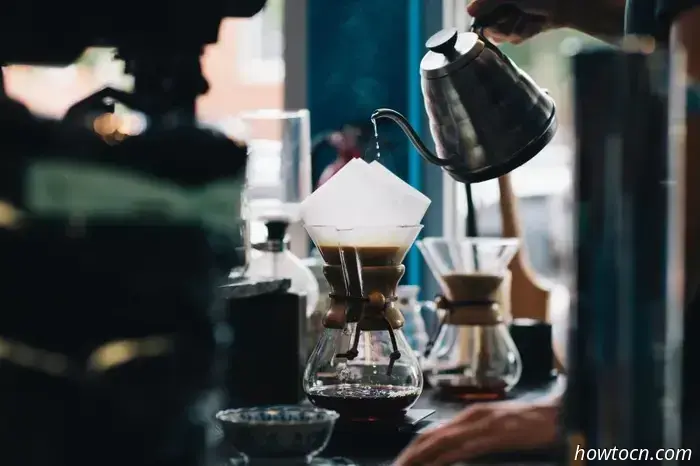
There are also other choices, including cold brew coffee (冷萃咖啡 Lěngcuì kāfēi), which can be purchased by the bottle in many Beijing cafés, and pour-over coffee (手冲咖啡 Shǒuchōng kāfēi), which, while typically more expensive than a regular Americano or espresso, is expertly brewed plain black coffee.
Ordering a cup is quite simple: 我要一杯… Wǒ yào yìbēi... For example, if you want an Americano, you would say, “我要一杯美式 Wǒ yào yìbēi měishì.” The word for cold is 冰 bīng and hot is 热 rè, so to indicate your preference, you can say, “我要一杯 热 / 冰美式 Wǒ yào yìbēi rè / bīng měishì.”
What’s your favorite coffee drink?
READ: Mandarin Monday: A Cheat Sheet for Ordering in Mandarin
Images: Unsplash
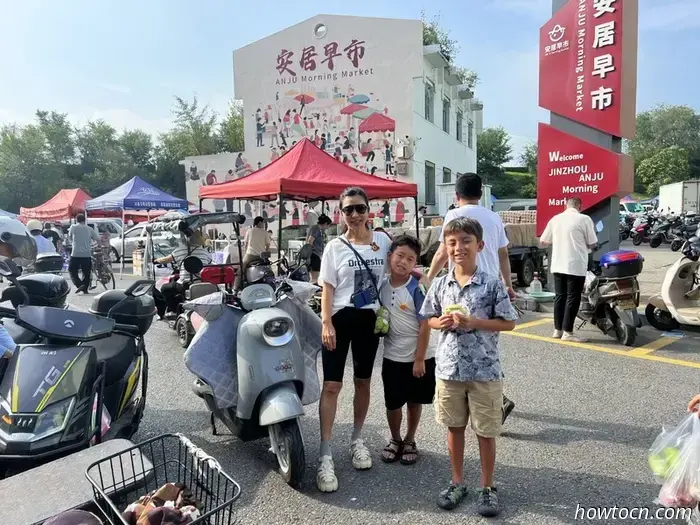
Another morning, another market in China. For us, it felt as routine as an American visiting Starbucks for coffee. We had already explored two excellent morning markets in Jinzhou. Could this overlooked city really provide a third? Anju market was located in the eastern area of Linghe District, not far from the Bailou market we had checked out the day before. It appeared quite official, featuring well-designed signage and a wall mural announcing its presence. In recent years, city authorities have been implementing stricter regulations over the markets, leading to the relocation of most street markets in Shanghai and Beijing to indoor facilities or their complete removal. In smaller cities like this one, traditional street markets still exist, but they are increasingly showing signs of regulation and uniformity.
We will need to assess it manually prior to granting access once more.
Autumn 2025

Beijing is an exciting city! Stay informed with our weekend summary of the most recent news.
Distinguish your natie from your zang kafei and your aobai from your aohei using this guide.