
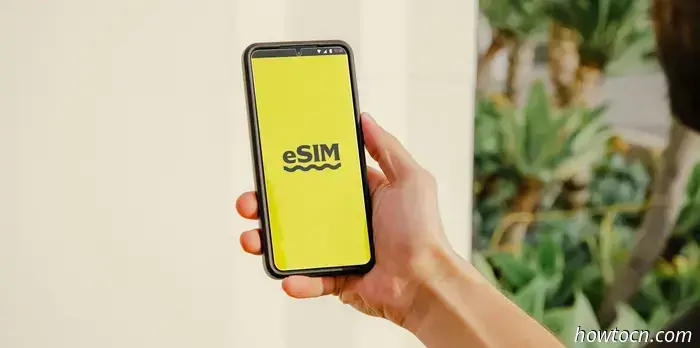
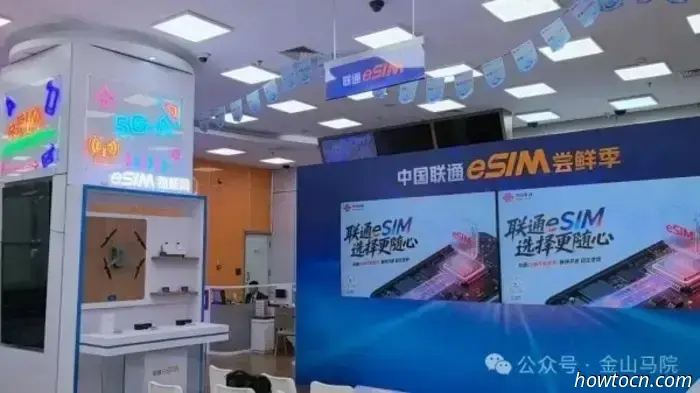
You’ve likely heard the updates: last week, China Unicom, China Mobile, and China Telecom announced they have officially obtained approval to conduct a commercial trial of eSIM services for mobile phones.
But what does this imply? What are eSIMs? What advantages do they offer? Can foreigners utilize them in China? Here’s a brief overview addressing some of your potential questions regarding this (exciting? overdue?) advancement in China’s mobile technology landscape.
What Are eSIMs and How Do They Differ From Traditional SIM Cards?
Let’s begin with the fundamentals. A SIM ("subscriber identity module") card is a small chip that fits into a designated slot in your phone, allowing it to connect to your mobile carrier's network.
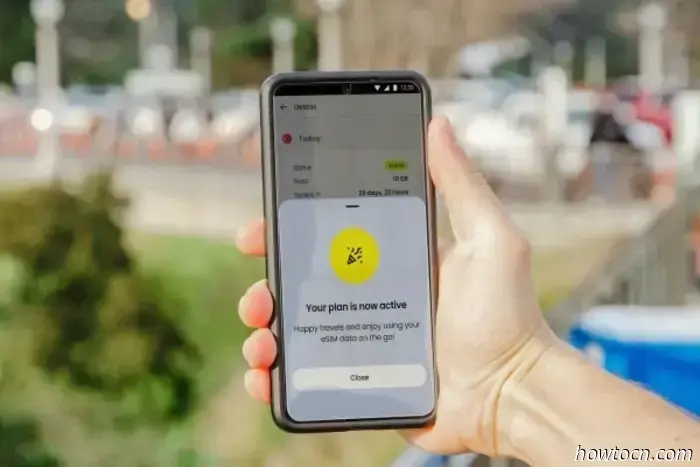
An eSIM, conversely, is that same chip technology integrated (the "e" denotes "embedded") within the hardware of your device.
It’s worth noting that China isn’t entirely new to eSIM technology; support for eSIMs in wearable devices was introduced in China back in 2018.
Which Devices Are Included in This Latest Implementation?
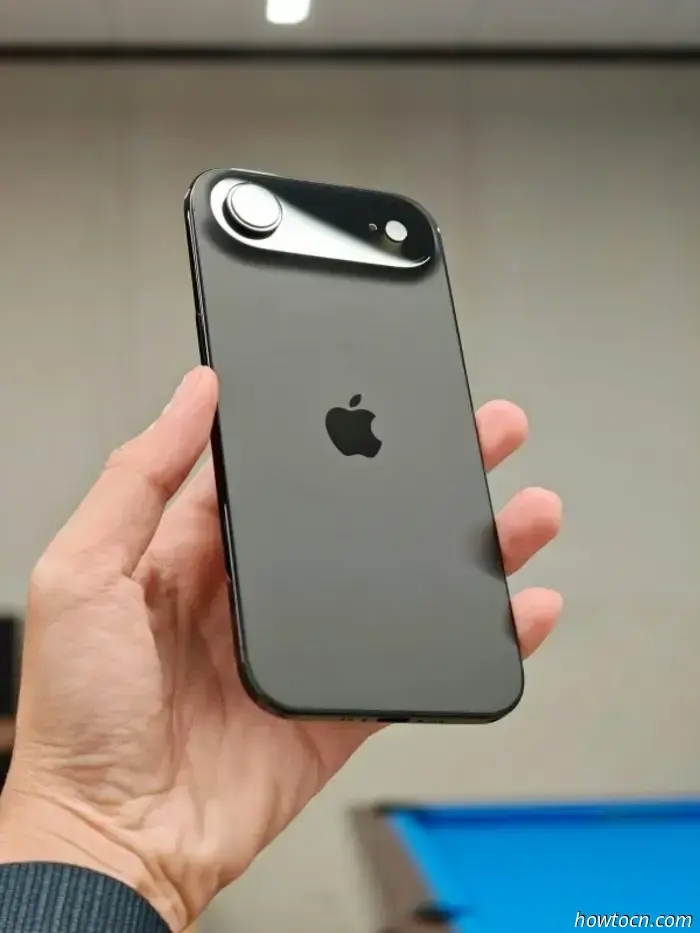
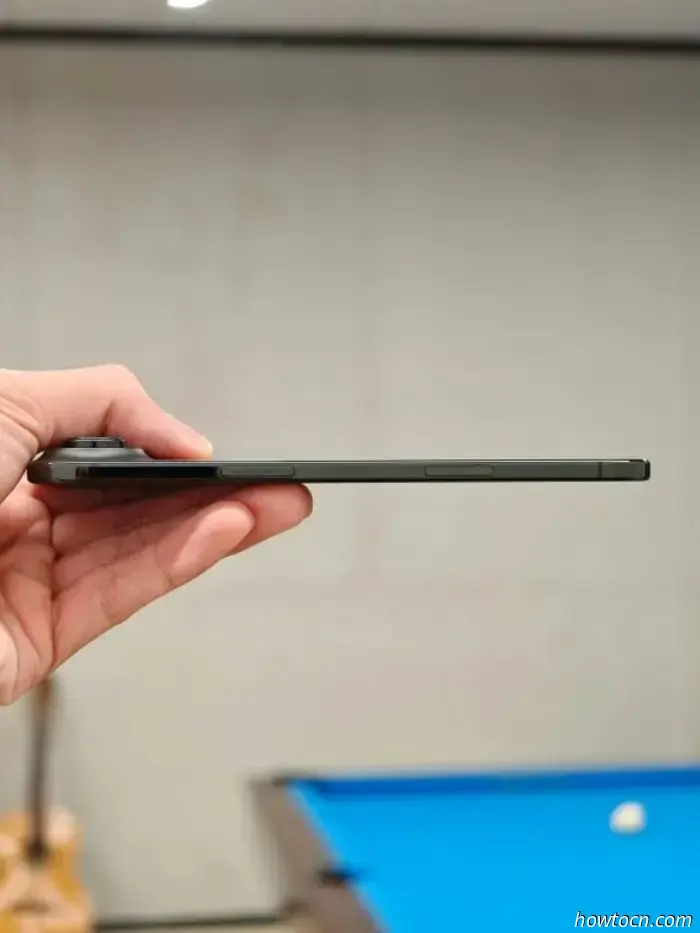
At present, only the newly launched China-specific iPhone Air (model A3518) can activate domestic eSIMs and must operate on iOS 26.1 or later. The official launch of the China version of the iPhone Air took place on October 22.
In response to strong pre-launch interest in the iPhone Air, domestic smartphone manufacturers like Huawei and OPPO have expressed plans to introduce eSIM-enabled phones in the future.
Can Other Versions of the iPhone Air Use Domestic Chinese eSIMs?
No, the other three models of the iPhone Air – the North American and affiliated regions (A3260), the Japanese (A3516), and the International (A3518) – collectively termed "international versions," cannot install eSIMs from domestic carriers in mainland China.
The domestic iPhone Air recently launched specifically for China because it includes a unique, pre-installed certificate essential for the normal activation and use of domestic eSIMs from the three major local mobile carriers.
The international versions of the iPhone Air lack this special pre-installed certificate, which cannot be added later. Therefore, although the situation may evolve, presently, the international iPhone Air models are incompatible with domestic eSIMs.
What Are the Benefits of eSIMs?
eSIM technology in smartphones offers several advantages:
- Greater convenience
- Easier number changes
- Ability to utilize different carriers on the same device
- Simplified switching to local carriers when traveling
- No physical card saves space, allowing for lighter devices and improved waterproofing
- New internal configuration options for smartphones
- Same number can be utilized across a user’s phone and wearables
- More cost-efficient for producers, sellers, and consumers
What Are the Drawbacks of eSIMs?
The notable feature of eSIMs could also present significant challenges. Because the eSIM is physically “locked” to the device, if you need to switch phones for any reason, you must deactivate your eSIM on the old device and reapply for it on the new one. With a physical SIM card, you can simply transfer it directly to the new device.
With this challenge in mind, Apple has indicated it will introduce a quick conversion feature for eSIMs in the future for the Chinese mainland. This functionality would allow domestic iPhone Air users to activate an eSIM on one device and migrate it to a new device without needing to visit a mobile carrier’s physical location in person. However, details on when this feature will be available remain uncertain.
There may also be potential security concerns, both personal and national, that could arise from embedding mobile connectivity in the device itself, which officials will monitor and address as needed.
As an aging Millennial and a fan of Battlestar Galactica, I find myself somewhat skeptical about additional devices featuring a connectivity component that cannot be easily removed. That said, perhaps this apprehension is unwarranted…
Roll-Out Expectations
Smooth Transition
In theory, once users have an eSIM set up, they should be able to switch numbers and carriers without needing to visit a physical store; however, to obtain an eSIM, one currently needs to go in person with a reservation to a mobile carrier's outlet.
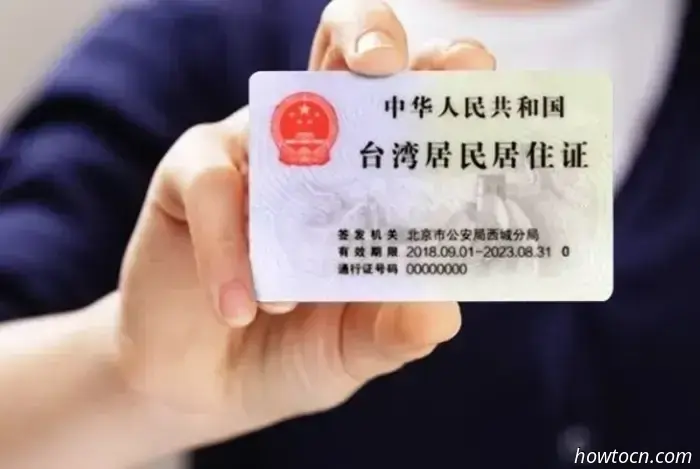
Frustratingly, although somewhat expected, when upgrading a SIM to eSIM, you must still visit the location where you originally acquired your number. For instance, if you obtained your number in Beijing a decade ago but later moved to Fujian, you'll need to return to Beijing to upgrade to an eSIM with that same number.
Some cities have introduced door-to-door services where a representative can come to your home to assist with the eSIM setup, often accomplished by the customer scanning a QR code. Nonetheless, carriers have so far refused to share this code online or send it directly to customers, citing security concerns

Last week, the three primary mobile network providers in the country announced that they have received approval to conduct a commercial trial of eSIM service for mobile phones.