
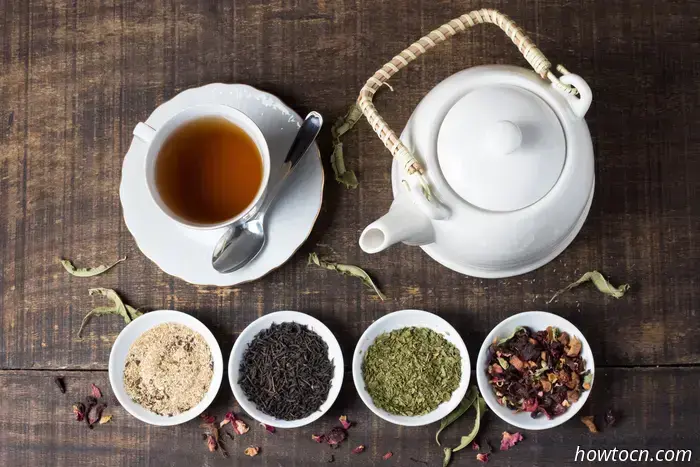
The temperatures have fallen, signaling an early arrival of winter in Beijing, making it an ideal time to enjoy some warm tea!
Of all the drinks in this hectic world, tea remains my absolute favorite, regardless of the weather. This traditional beverage not only quenches thirst but also has numerous health benefits.
Among various natural antioxidants found in tea, catechin can alleviate chronic inflammation, support cardiovascular health, and is even said to prevent the development of cancer cells. Furthermore, as a classic energy drink, tea provides a light fragrance instead of a bitter aftertaste.
Of course, we are not referring to milk tea, but rather to genuine, traditional tea. Let’s explore the classic varieties of tea in China today.
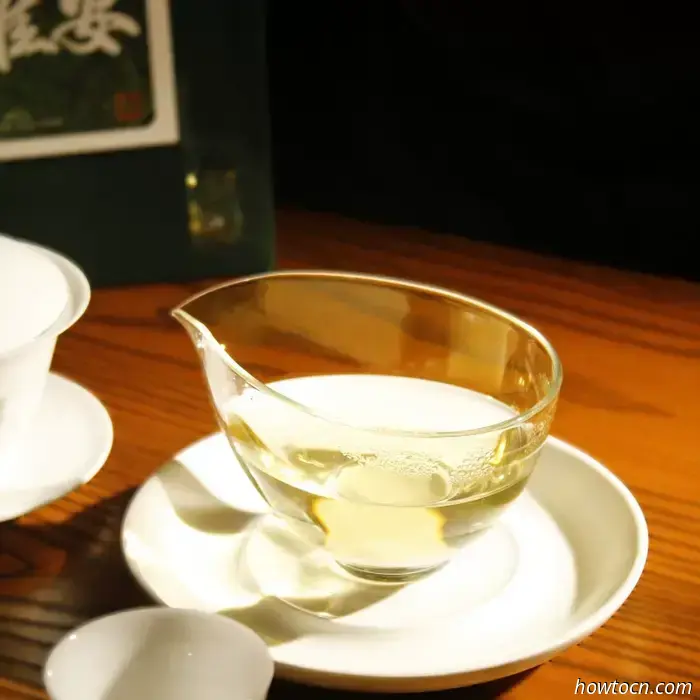
**Green Tea**
When thinking of Chinese tea, green tea is likely the first that comes to mind, and indeed, it is one of the main categories recognized internationally. It is also one of the oldest types of tea globally, as residents in Sichuan began drinking and cultivating green tea nearly 3,000 years ago.
The most notable characteristic of green tea is its color, both in the leaves and the resulting liquid. To keep its vibrant green color long after harvesting, a process called 杀青 shāqīng (literally "kill the green") is employed. This process, typically involving steaming at high temperatures, deactivates the enzyme and prevents fermentation, thereby halting the oxidation of polyphenols.
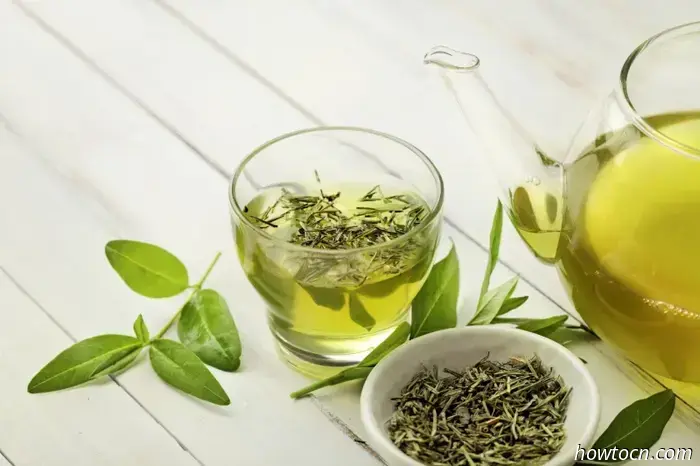
Green tea is renowned for its clear olive-green liquid and refreshing, crisp taste. Compared to fermented teas, it retains more of the natural nutrients from its fresh leaves, though excessive consumption at once may disrupt the acid-base balance in your digestive system.
Teas for green tea production are usually collected in early spring. For example, the well-known 明前茶 míng qián chá refers to tea picked before the Qingming Festival.
Famous green teas to try include:
- 碧螺春 bìluóchūn
- 西湖龙井 xīhú lóngjǐng
- 六安瓜片 Liù ān guāpiàn
**Black Tea**
If we were to arrange all types of tea on a spectrum, green tea and black tea would occupy opposite ends, despite both originating from the same leaves. Unlike green tea production, black tea does not require baking the leaves initially; instead, the leaves are allowed to wither until they appear translucent.
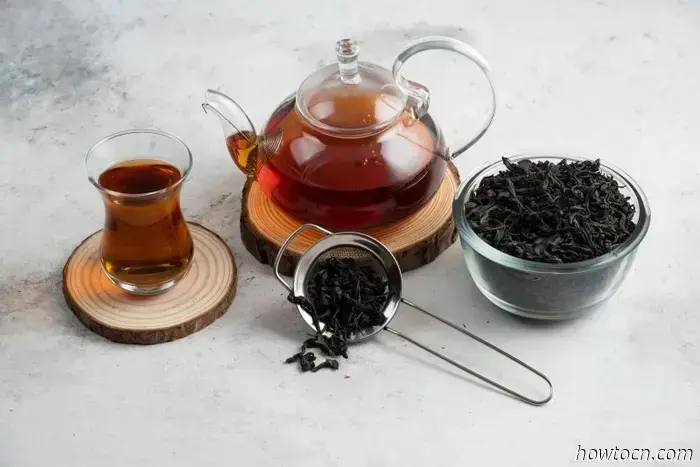
Next, time and enzymes work their magic, and the leaves are rolled to promote the oxidation of polyphenols, leading to the creation of caffeine, theaflavins, and thearubigins, which darken the leaves to a deep red color. (What is known as black tea in the West is referred to as 红茶 hóngchá, or “red tea,” in Chinese due to a historical mistranslation when it was imported to England.)
These components give black tea a ruby color and a rich, mature aroma. Black tea originated in the Wuyi Mountains of Fujian Province and later gained global recognition through European royalty.
Famous black teas to try include:
- 祁门红茶 Qí mén hóngchá
- 大吉岭红茶 Dàjí lǐng hóngchá
- 阿萨姆红茶 Ā sà mǔ hóngchá
**Oolong Tea**
Oolong tea, also called dark dragon tea, lies between green and black tea on the spectrum. Its production involves allowing the leaves to wither post-harvest and undergo a fermentation phase; however, the “kill the green” process is necessary to halt fermentation before it completes, creating a balanced flavor profile that becomes evident only after boiling the leaves several times. Oolong tea typically exhibits a golden or rosy hue once brewed.
Famous oolong teas to try include:
- 大红袍 Dàhóng páo
- 东方美人 Dōngfāng měirén
- 铁观音 Tiě guānyīn
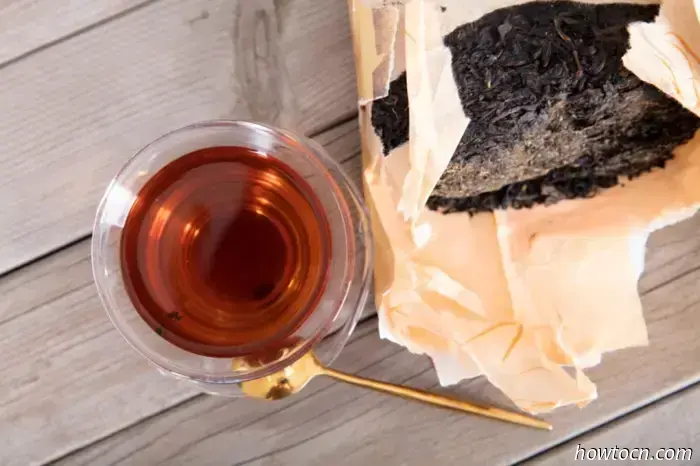
**Real Black Tea**
As mentioned earlier, what we refer to as black tea is known as red tea in China. Additionally, there exists a variety of tea in Chinese culture called 黑茶 hēi chá, or black tea.
The accidental discovery of true black tea occurred during the Tang dynasty. The Han people had established a regular trade relationship with the Tibetan people, exchanging various commodities, including tea, to supplement the Tibetan diet in a region lacking in vegetables.
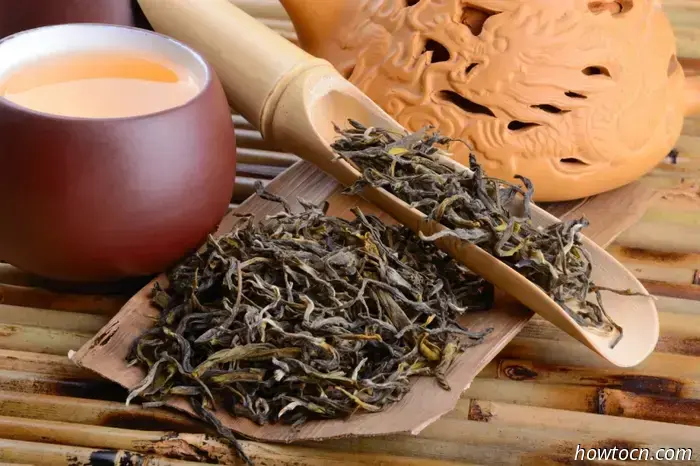
Due to weather and travel durations, green tea often became damp and dried multiple times while being transported on horseback, ultimately undergoing post-fermentation which led to the creation of the prototype of real black tea. Over time, tea producers learned to intentionally incorporate post-fermentation to enhance quality control of the final product.
Real black tea can be likened to red wine in
Guaranteed to contain no artificial colorings.