
07/20/2025 - 07/20/2025
View
Asia 2025
on zzlangerhans's travel map.
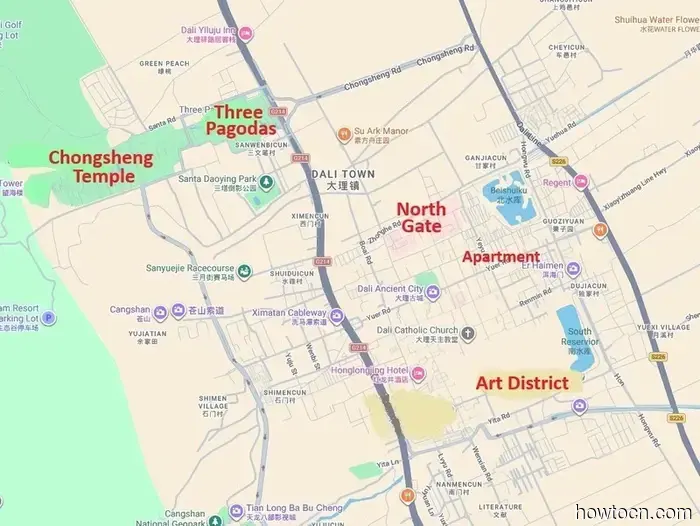
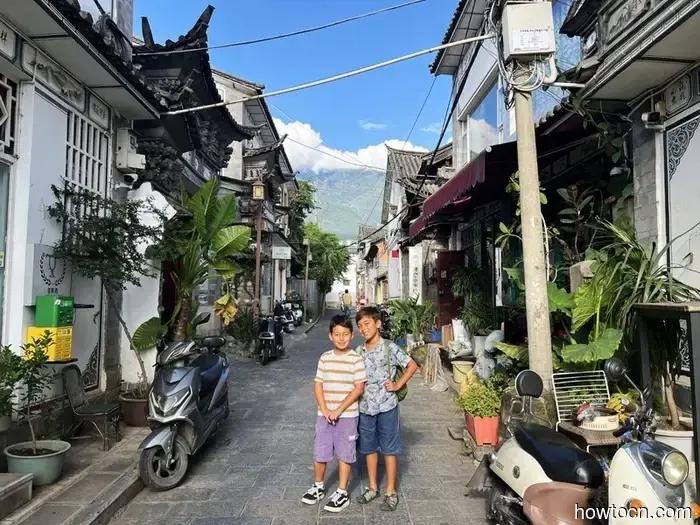
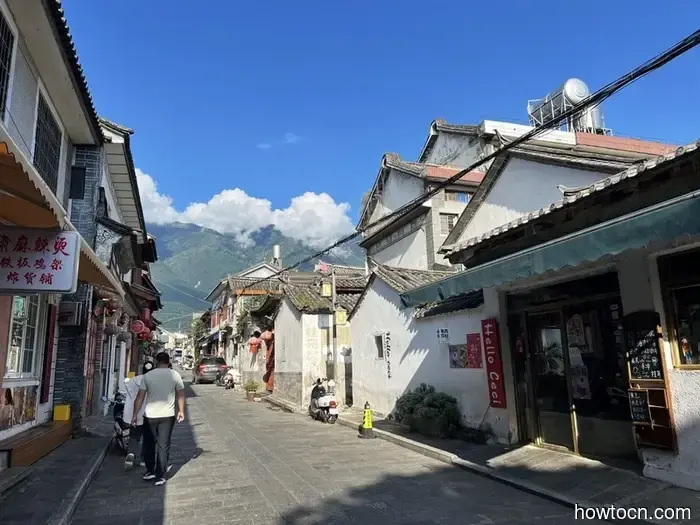
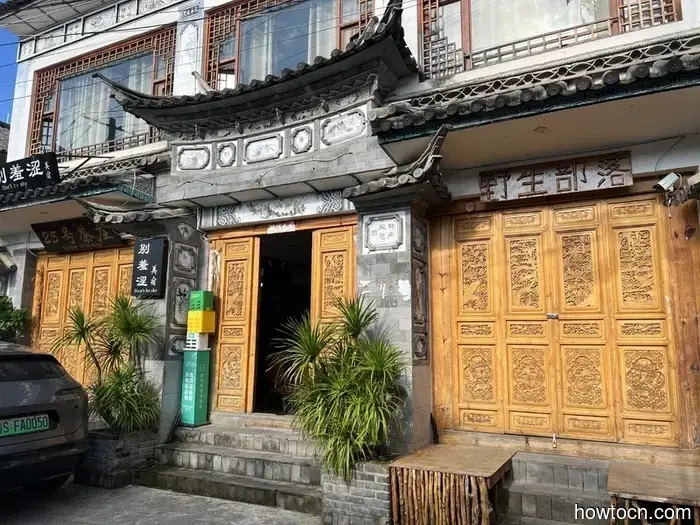
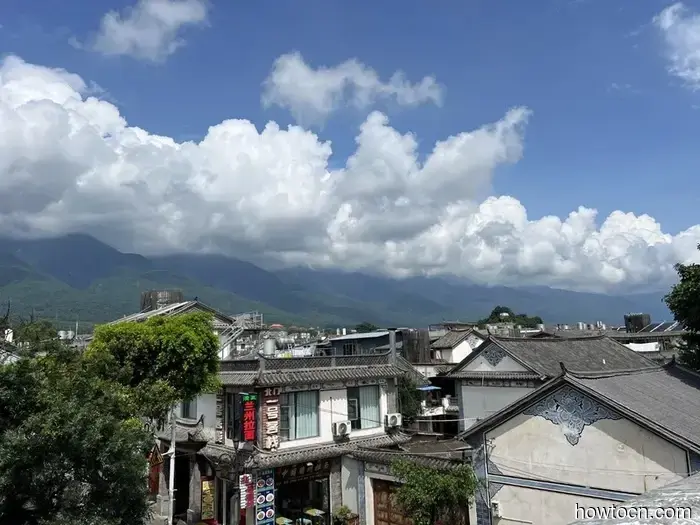
The day before, we had left ancient Dali town early to visit the market in Xizhou, which meant we didn't get a chance to explore any markets in the old town itself. On Sunday morning, we walked from our apartment in the northwestern direction along unfamiliar streets. This led us through charming and tranquil residential alleys, adorned with traditional white Yunnanese buildings topped with tile roofs. The clusters of buildings were softened by planters of tropical greenery artfully arranged at the entrances. One guesthouse stood out for its elaborately carved wooden door panels. The majestic Cangshan mountain was ever-present as we walked westward.
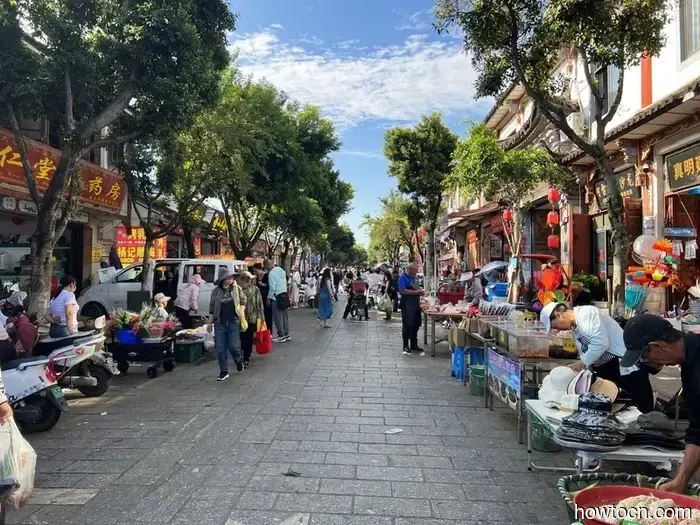
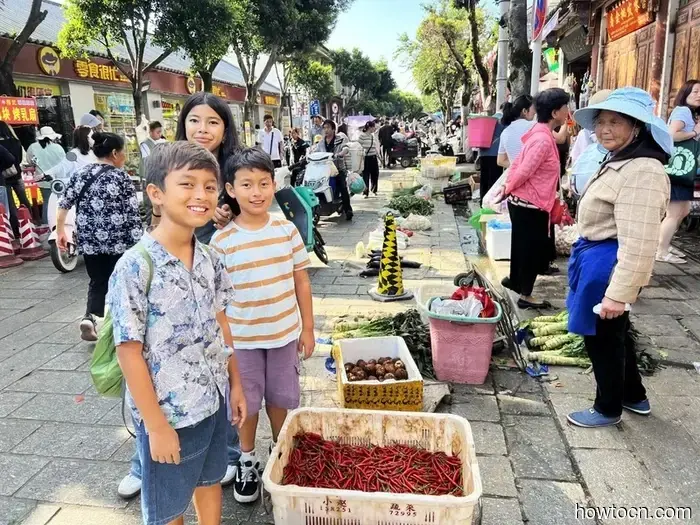
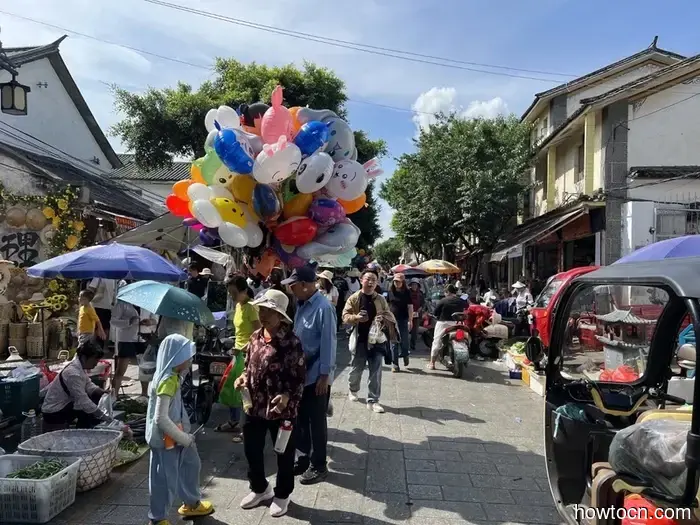
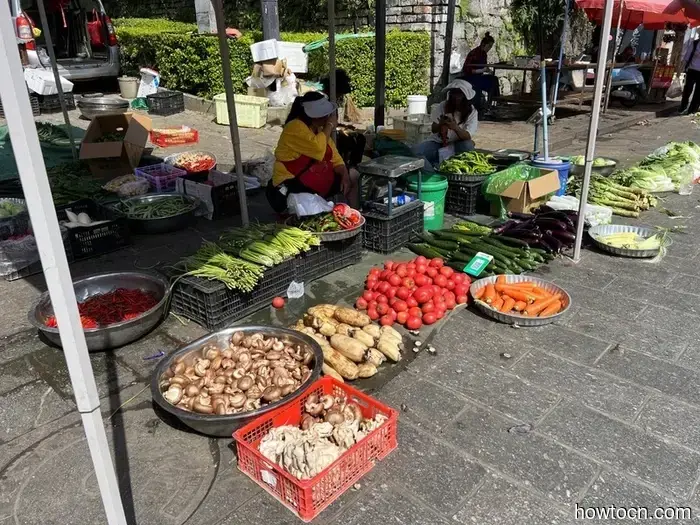
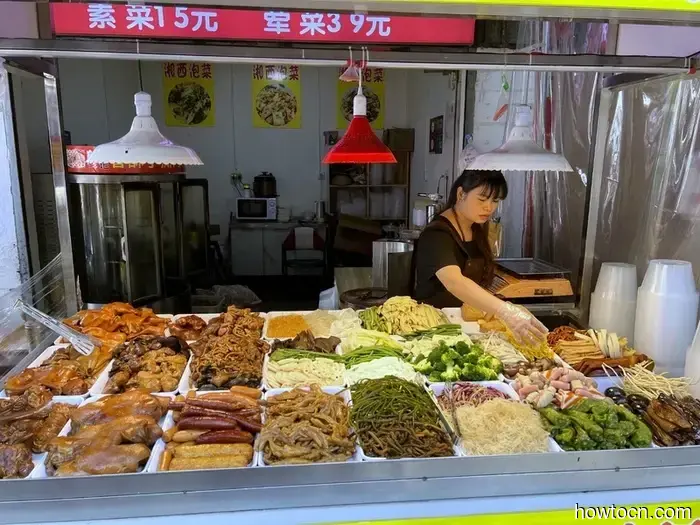
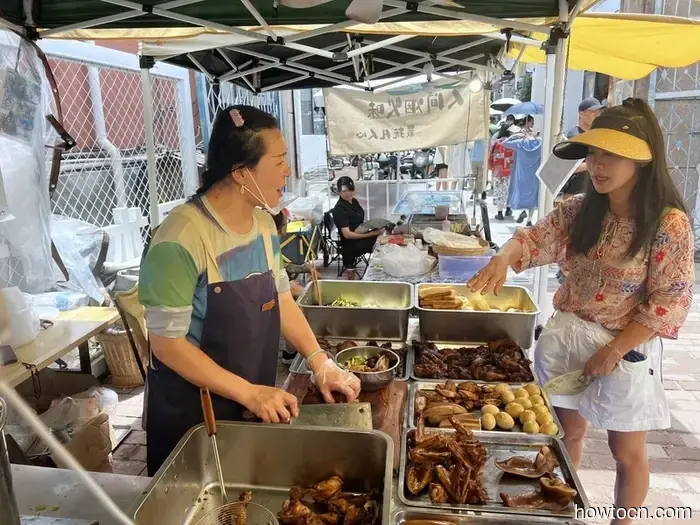
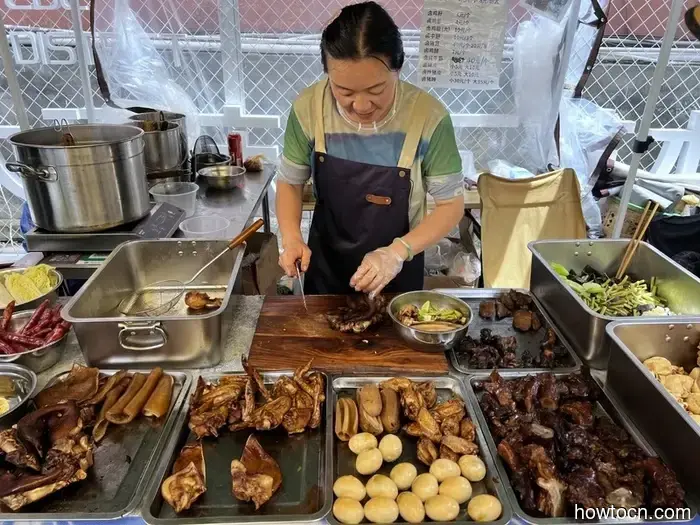
The North Gate market began near the intersection of Pingdeng Lu and Boai Lu. It was vibrant and bustling, resembling a social gathering just as much as a place for purchasing cooking supplies. Many families shopped together, resulting in a variety of plastic toys and balloons on display for the kids. Vendors extended their wares into the street to enhance the visibility of their fresh vegetables and carts full of street food. Between the stalls and parked scooters, there was a narrow path for navigating the market, which became increasingly crowded as we delved further into the commercial heart of the area.
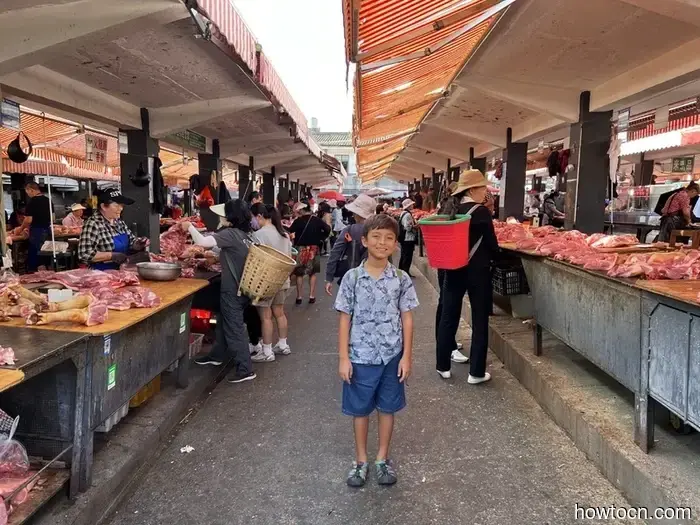
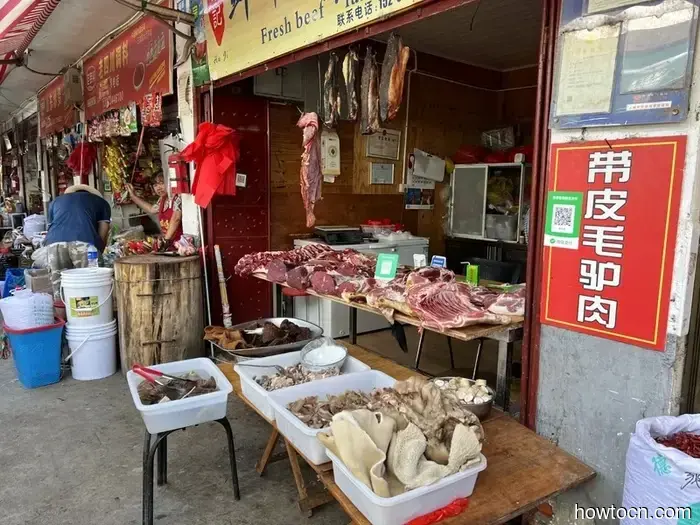
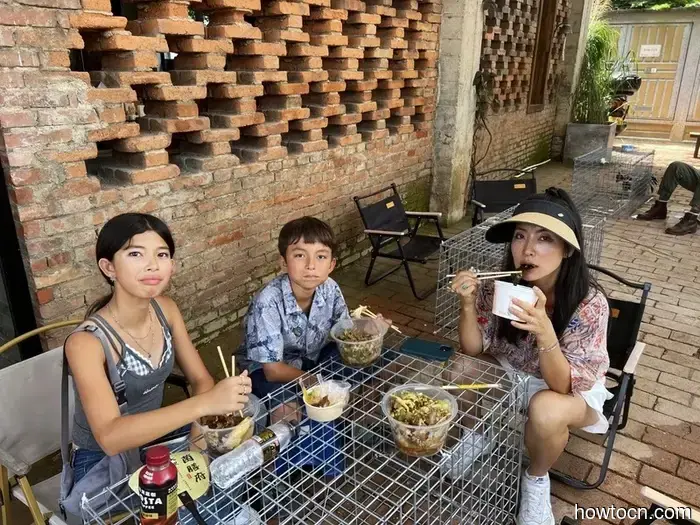
Initially, it appeared the market was confined to a few blocks of Boai Lu, but we soon encountered an intersection where the stalls started to spread onto the cross-street. Exploring this area led us to a more permanent section of the market, where rows of butchers displayed shiny cuts of pork and beef on metal counters beneath striped canopies. The smell of meat and blood was overwhelming for our semi-vegetarian Spenser, who retreated to the street with his mother and Cleo. Ian and I, being devoted carnivores, pressed on to examine every tray of offal and dismembered limbs. Eventually, our hunger became too great to ignore, and we discovered a small restaurant to satisfy our cravings.
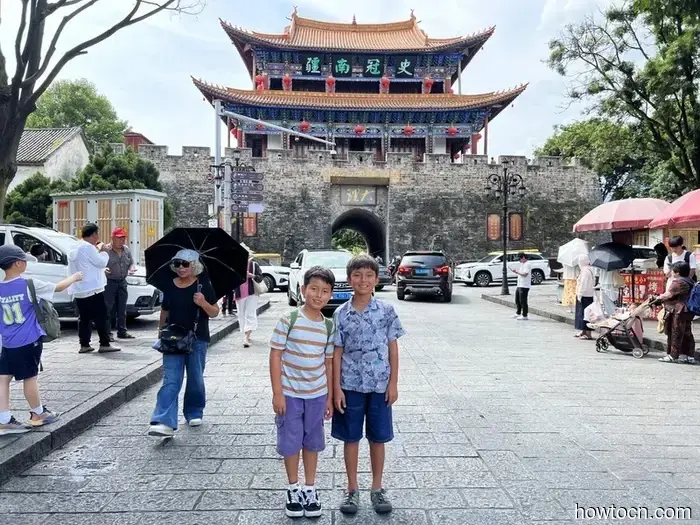
The North Gate of the old town is a modern reconstruction of a Ming Dynasty structure that was demolished by the Red Guards during the Cultural Revolution. The sign outside the gate tactfully stated that it had been destroyed "during the early days of liberation," without explaining what was liberating about the destruction of a six-century-old architectural treasure. From the upper level of the structure, we enjoyed pleasant views over the tiled roofs towards the foothills of Cangshan.
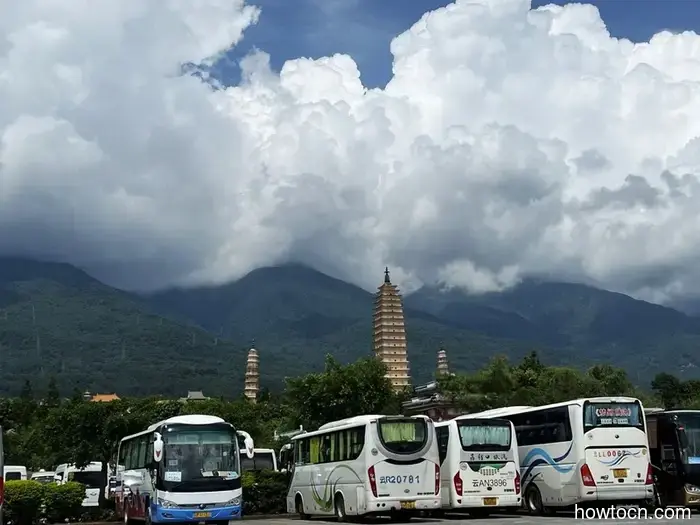
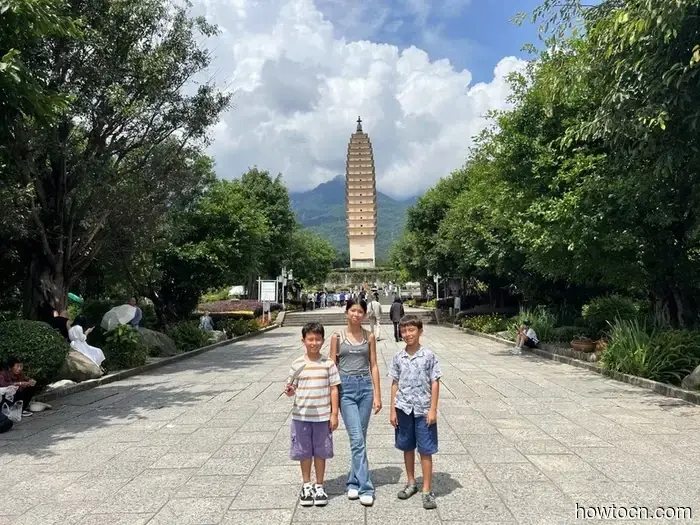
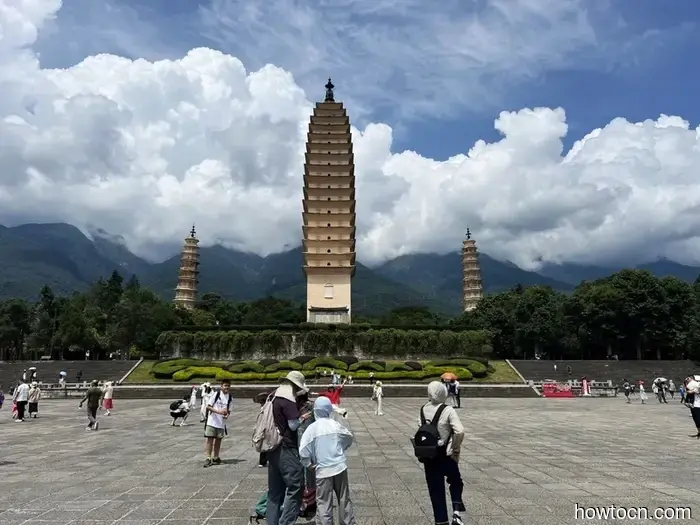
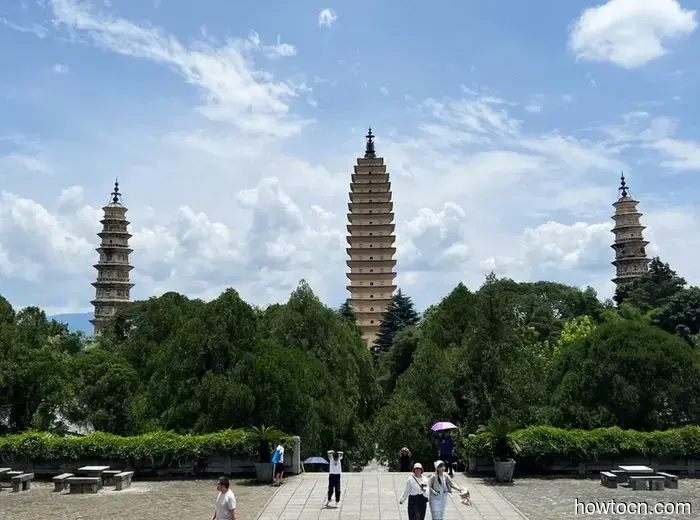
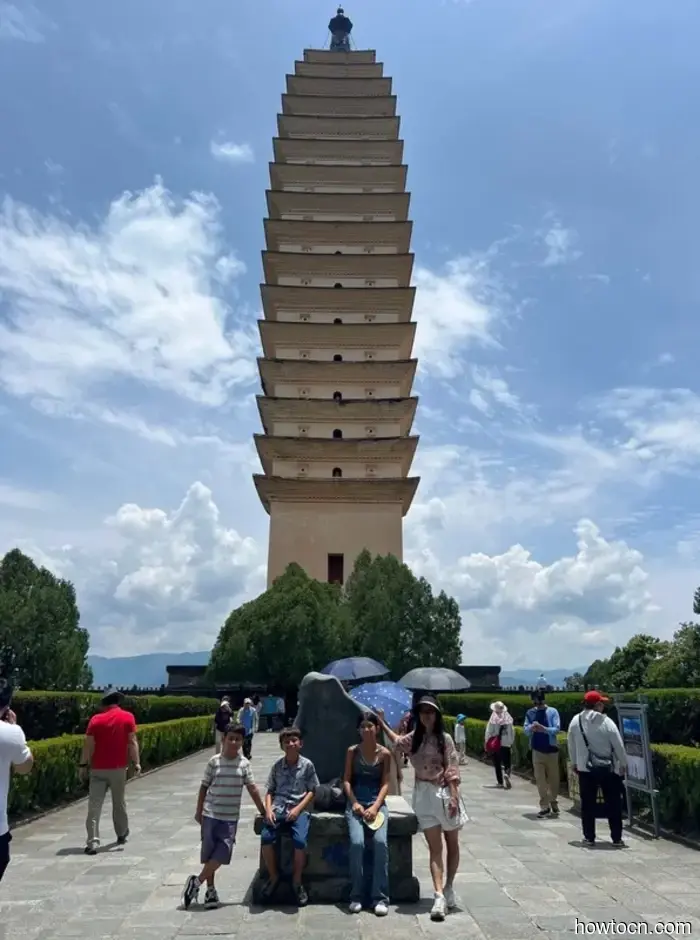
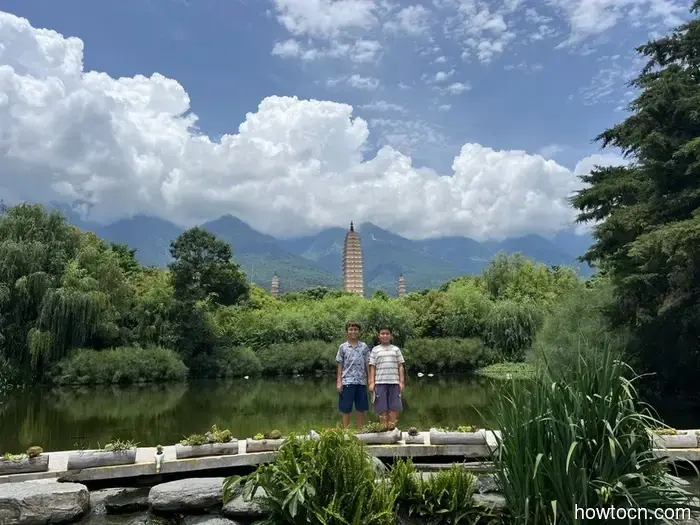
Having seen the Three Pagodas from Wuhua Tower our first night in Dali, I made sure we had time for a closer visit. It took just fifteen minutes to walk from the North Gate to the temple entrance, where numerous tour buses were already parked. After paying the entrance fee, we set off westward along a wide flagstone path that brought us near the base of the three slender brick and plaster towers.
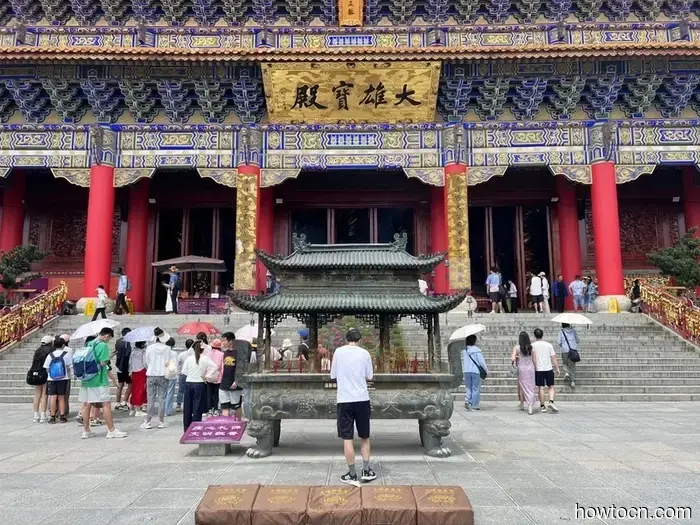
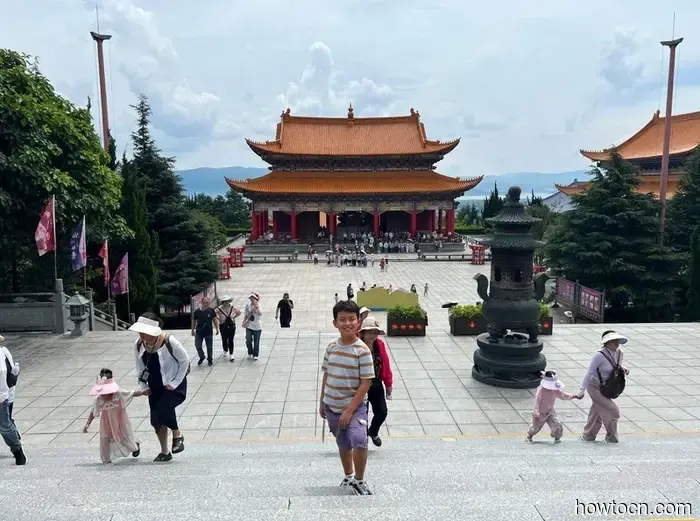
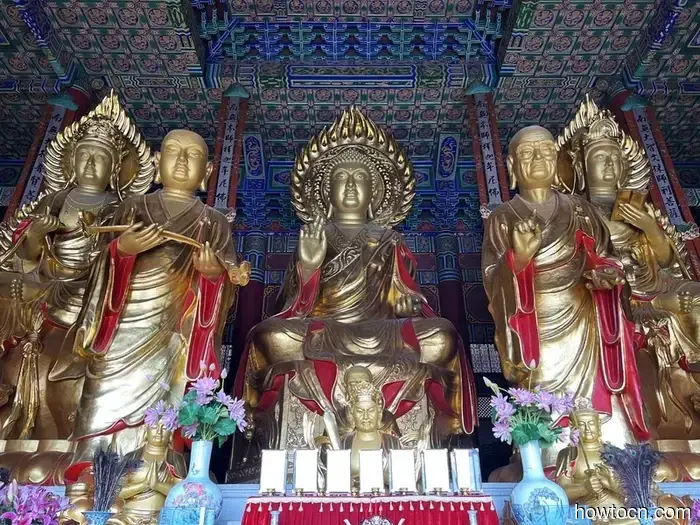
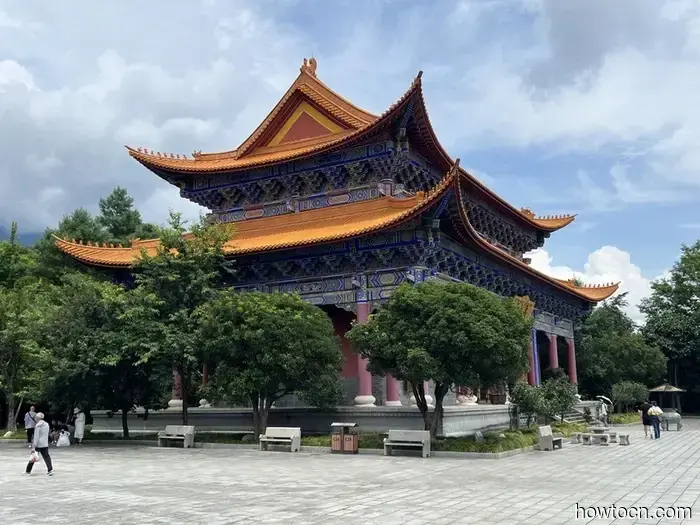
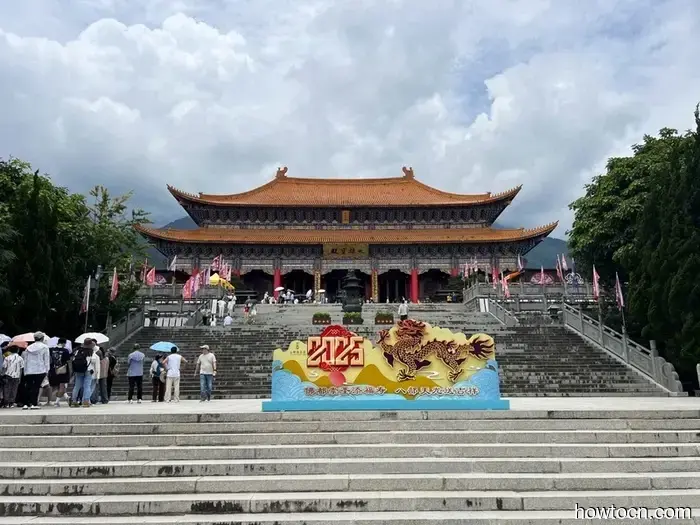
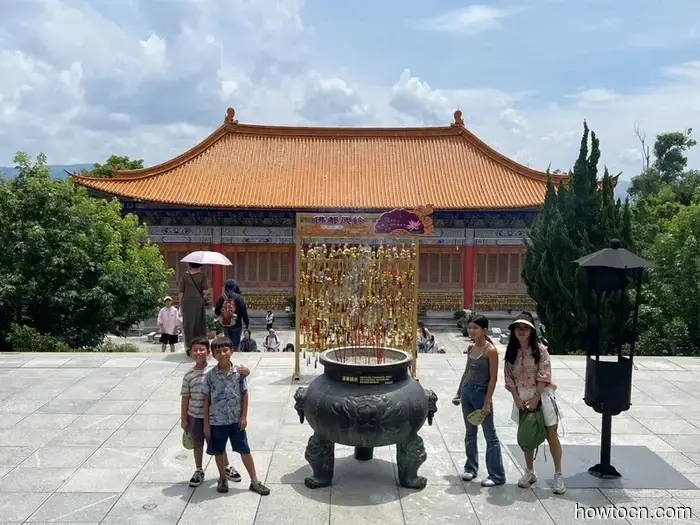
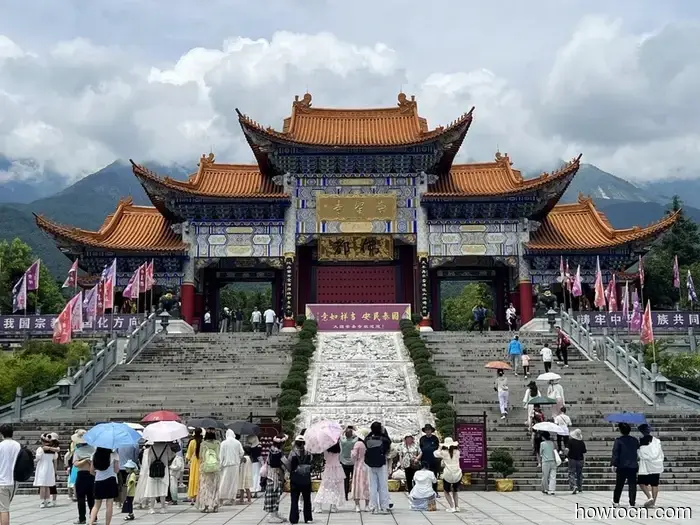
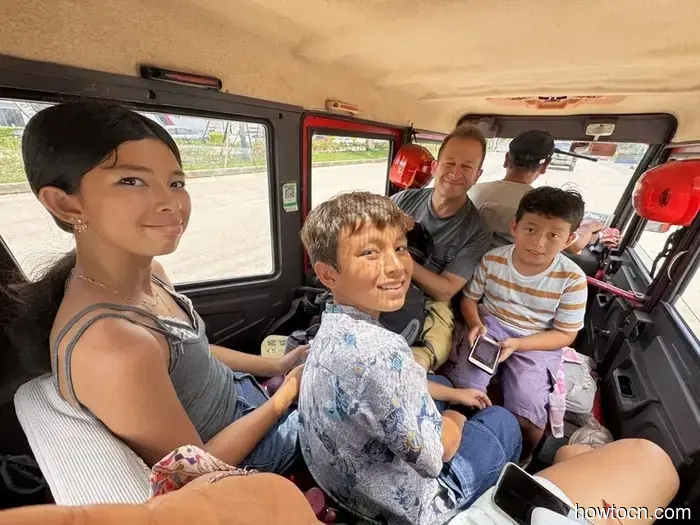
I had assumed the pagodas would be the highlight of the site, but it seemed we had only begun to explore. Mei Ling led us to a shuttle bus that took us uphill along a winding road to an impressively large temple known as Lakeview Tower, which indeed offered a view of Erhai Lake. However, much of the lake’s visibility was obstructed by another temple pavilion containing massive Buddha statues surrounded by disciples and bodhisattvas. As we made our way down the hill, each temple building was accompanied by a staircase leading to yet another ornate pavilion. After a while, I lost count of how many buildings we passed through and how many staircases we descended. Later, I researched and discovered that all these hillside structures and the pagodas are part of a complex called Chongsheng Temple, and I was astonished to learn that all but the pagodas were constructed in the last two decades. An ancient temple once existed in this location, but there was no indication of how it might have resembled the current version, built collaboratively by local authorities and Buddhist organizations.
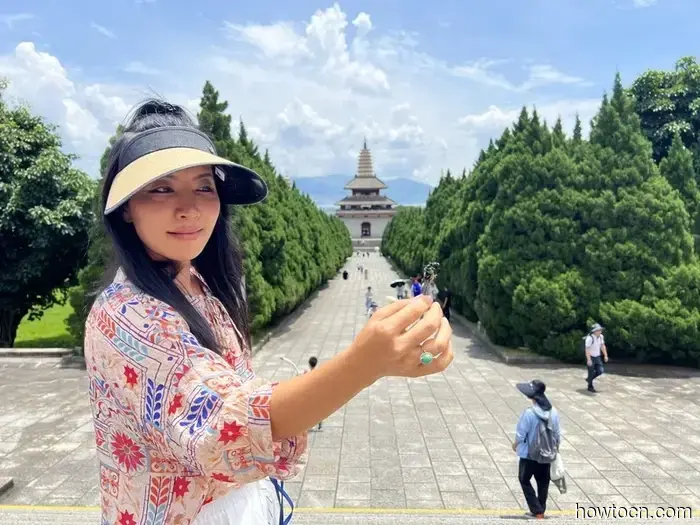
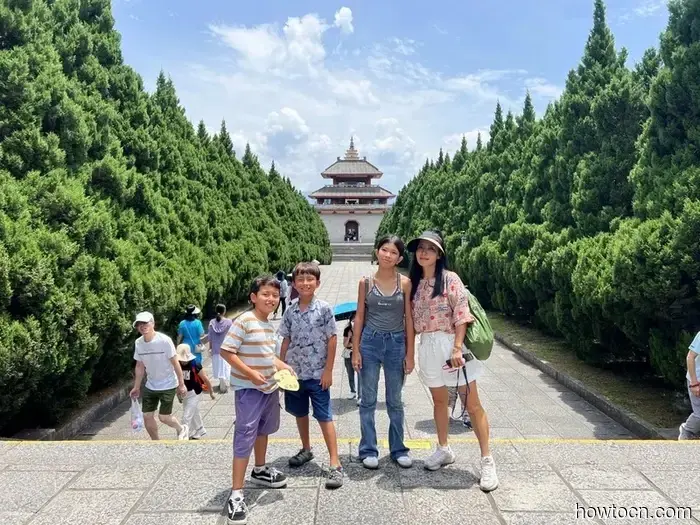
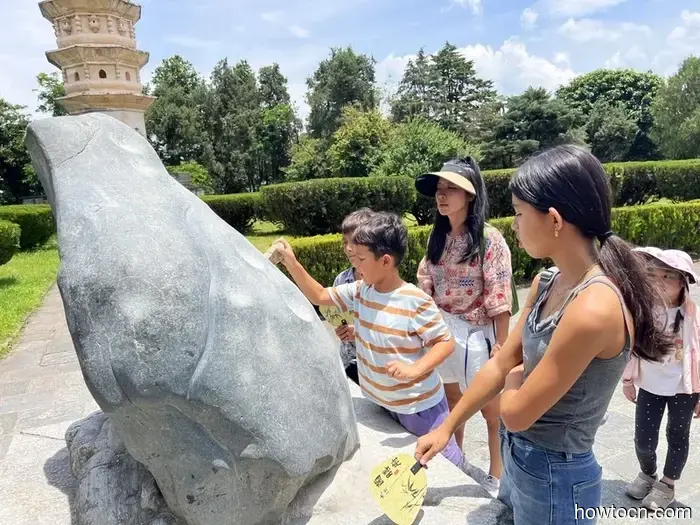
One of the last hilltop buildings was a tourist information center with a snack bar on the upper level. Although nothing seemed particularly appetizing there, we spotted goldfish tanks and a balcony with a locked door. We heard a loud buzzing noise that repeatedly started and stopped, and one of the kids eventually tracked it to a large dragonfly trapped against a window. Mei Ling bravely captured it between her fingers and took it back outside, freeing it. The next part of the path took us between lush rows of Chinese arborvitae to a final pavilion made of concrete blocks. Once we passed through, we found ourselves facing the three pagodas again, this time from the opposite side from our initial entry into the complex. The three pagodas are the only truly historic structures remaining within the Chongsheng Temple complex. The central pagoda dates back to the ninth century during the Nanzhao Kingdom, while the two on either
07/20/2025 - 07/20/2025 View Asia 2025 on zzlangerhans's travel map.