07/17/2025 - 07/18/2025
View Asia 2025 on zzlangerhans's travel map.
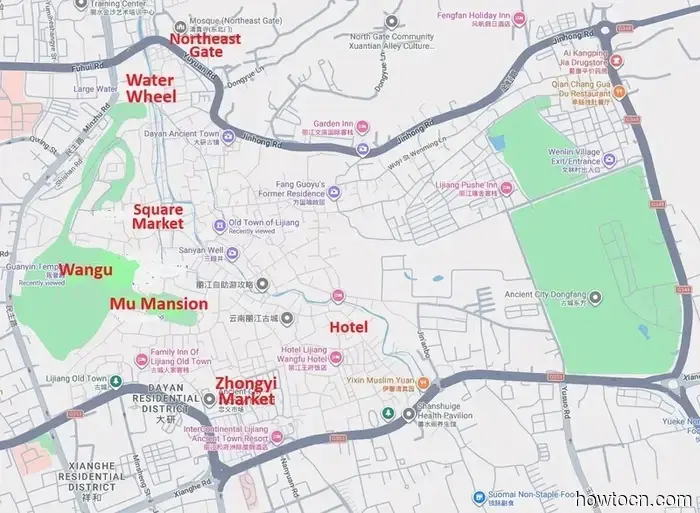
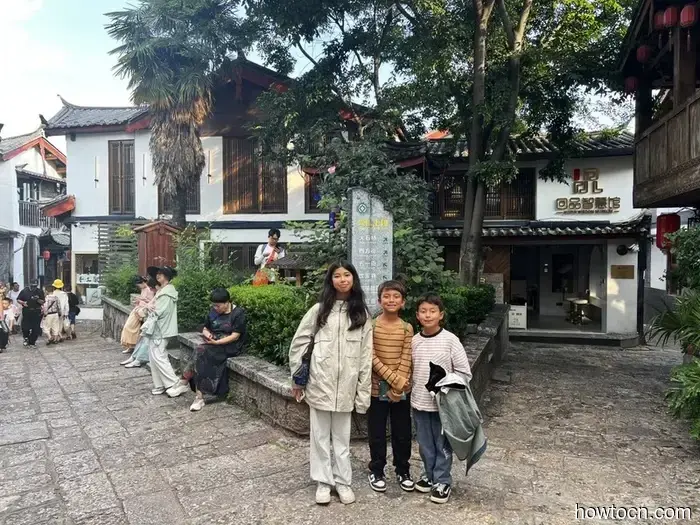
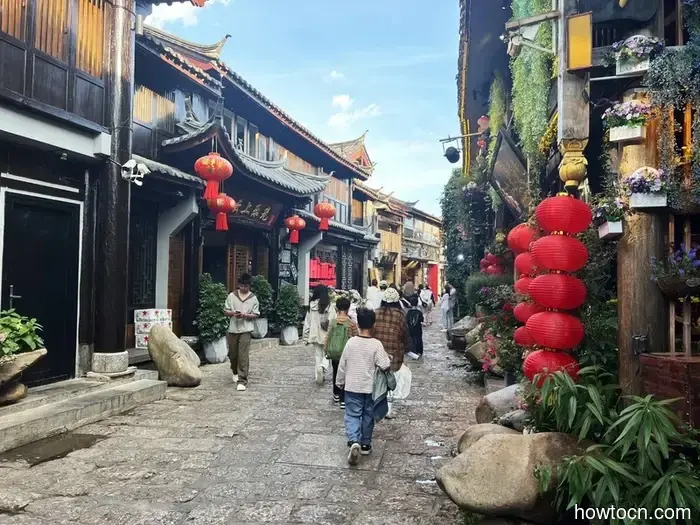
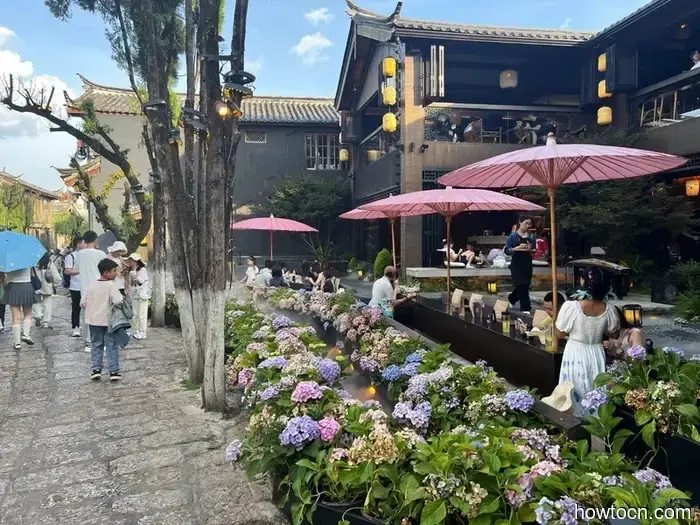
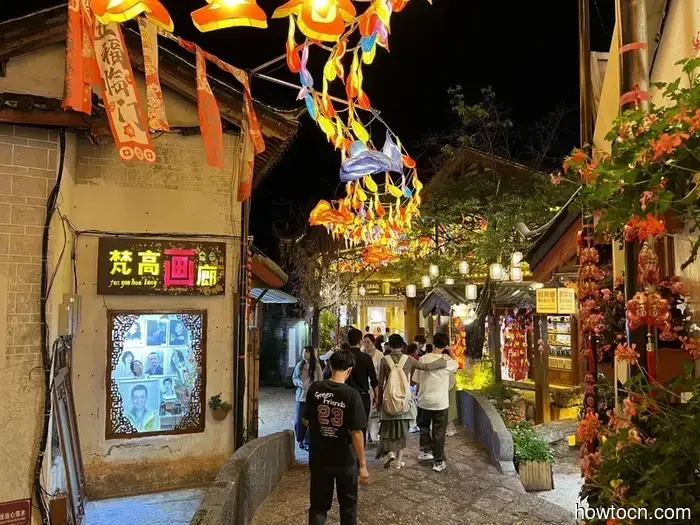
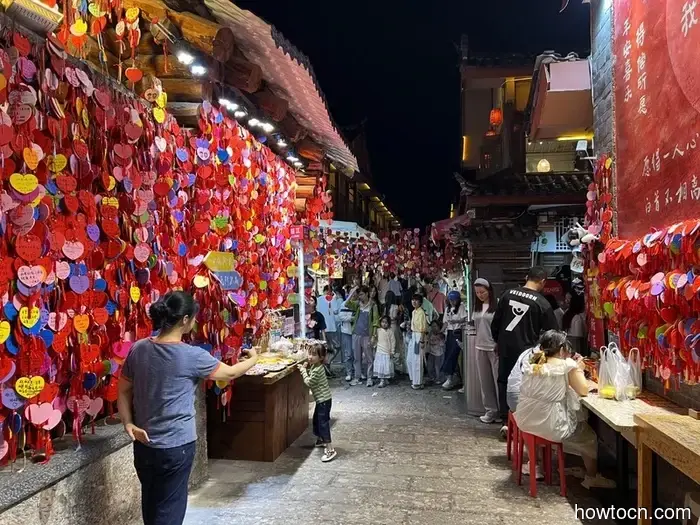
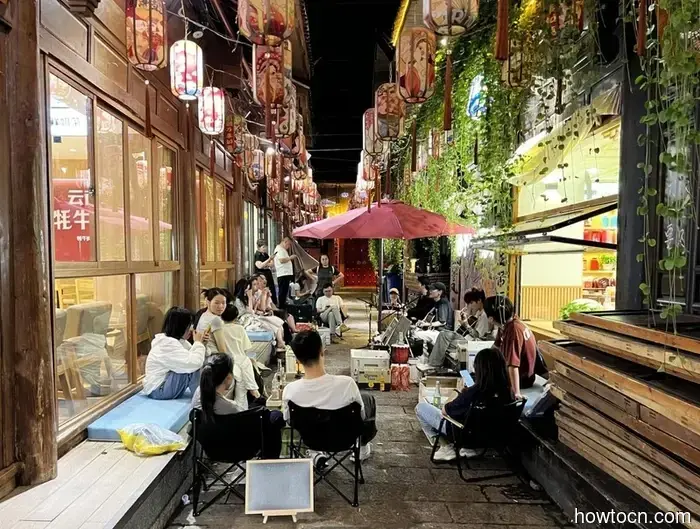
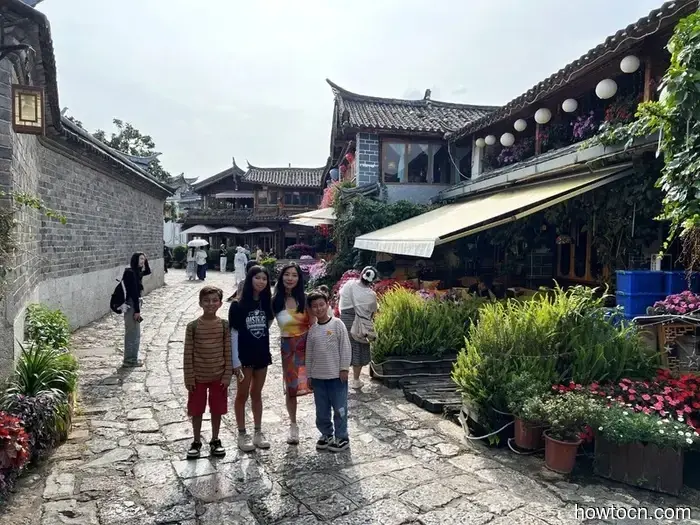
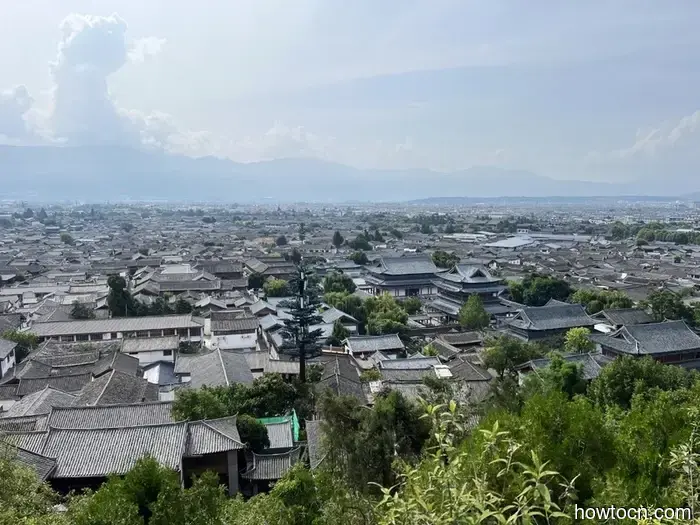
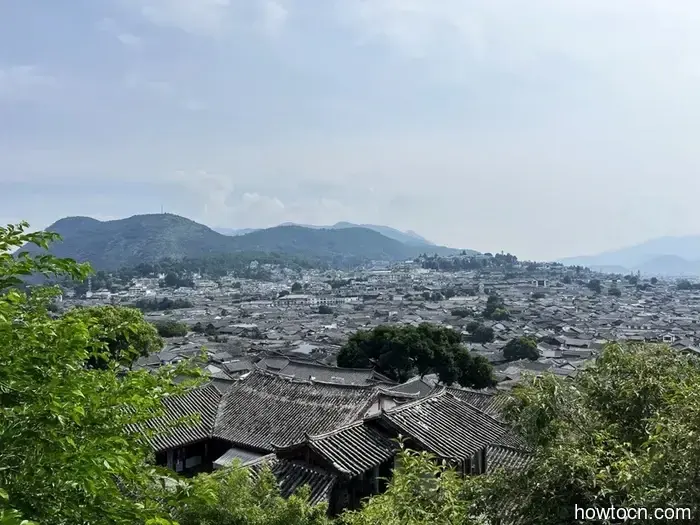
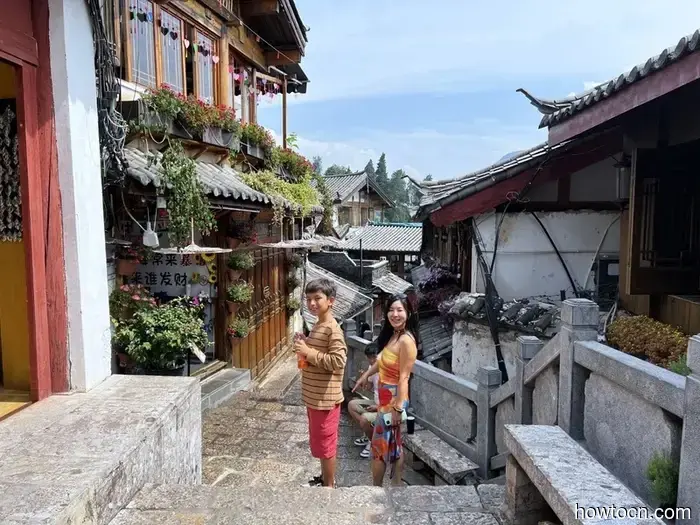
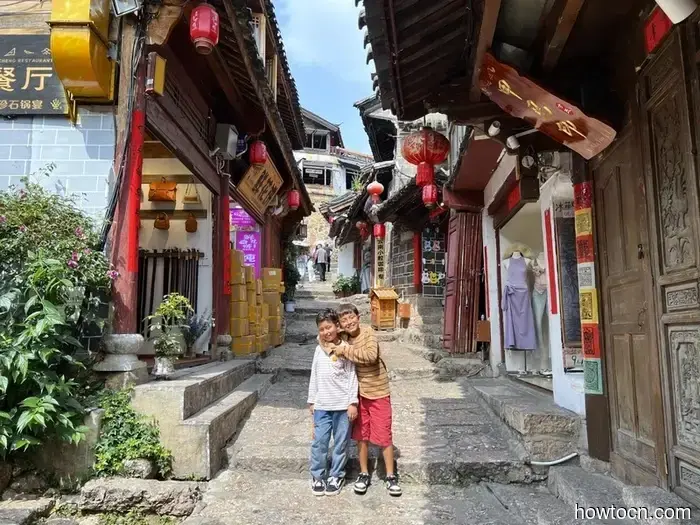
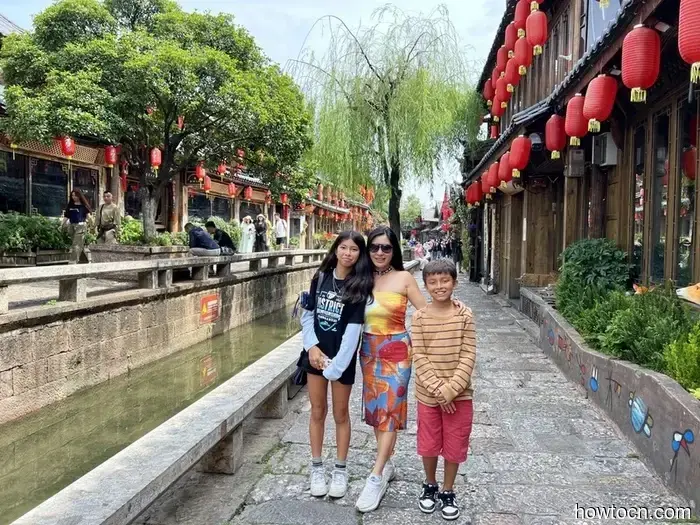
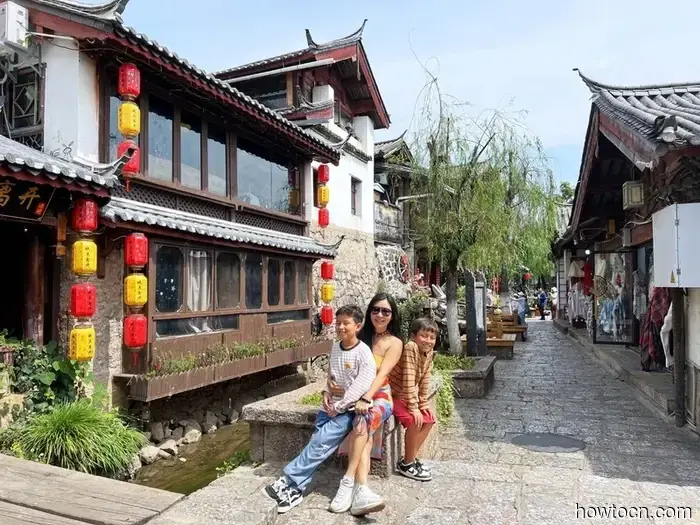
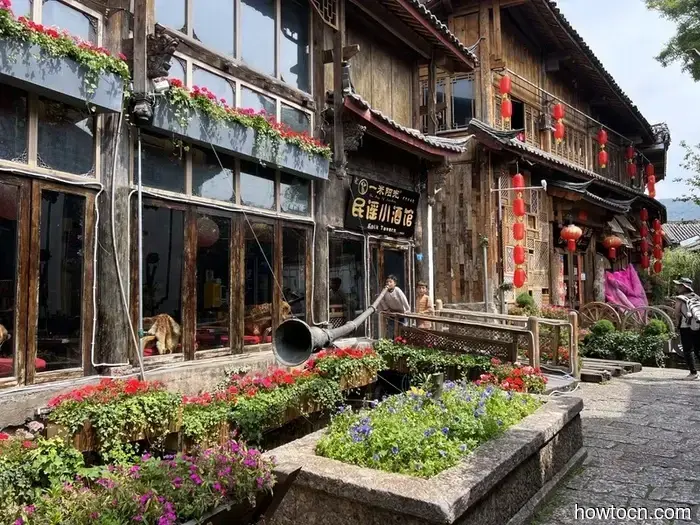
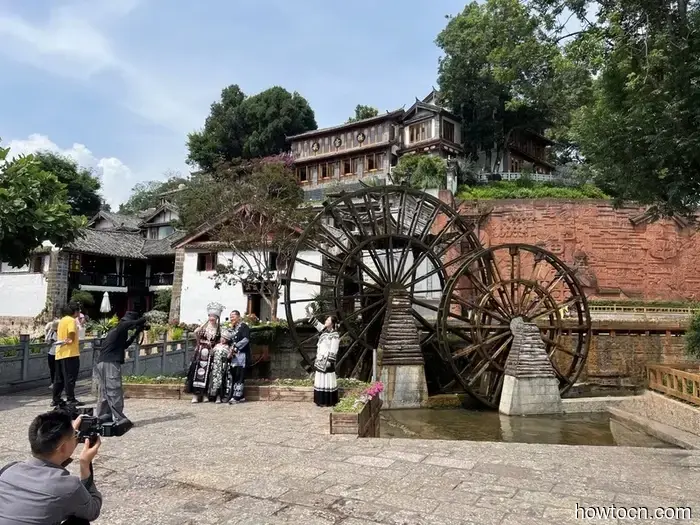
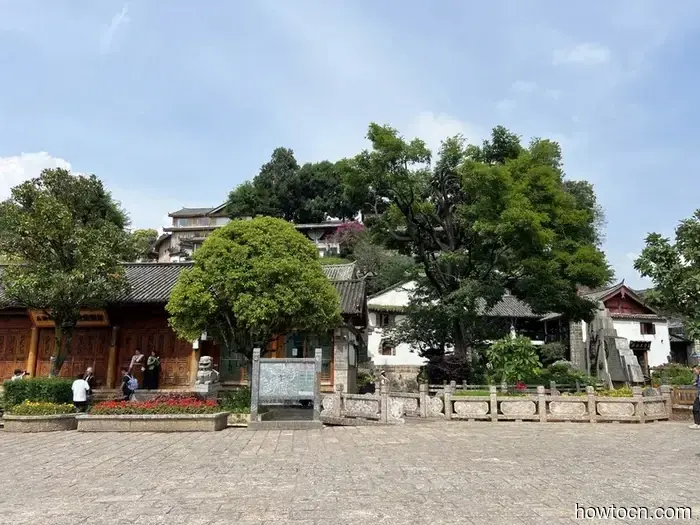
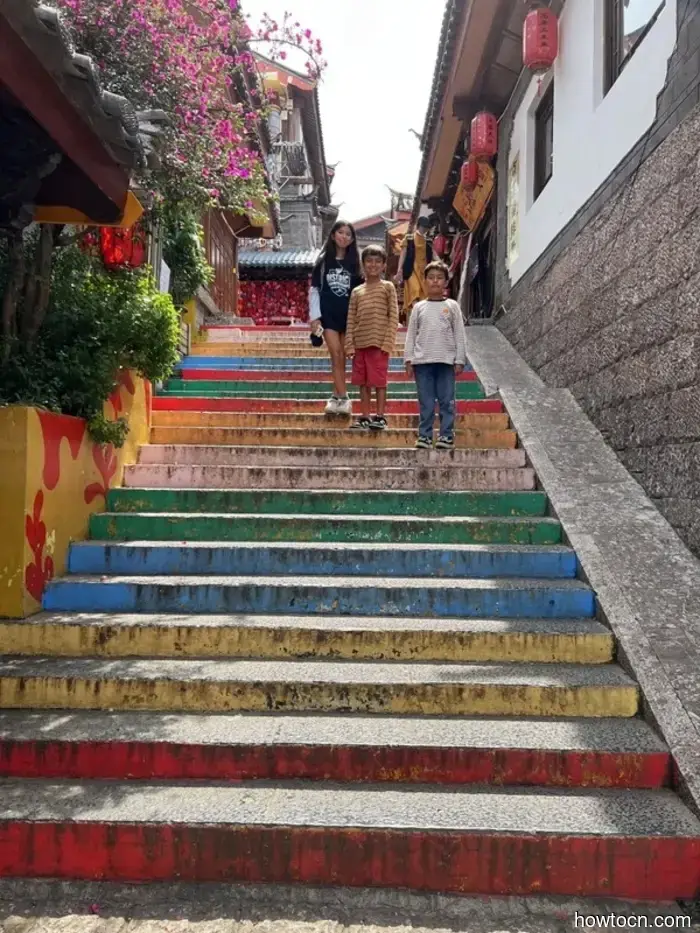
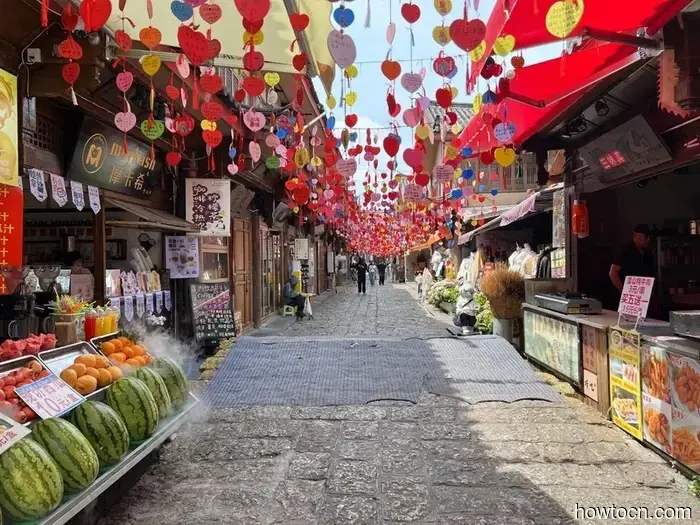
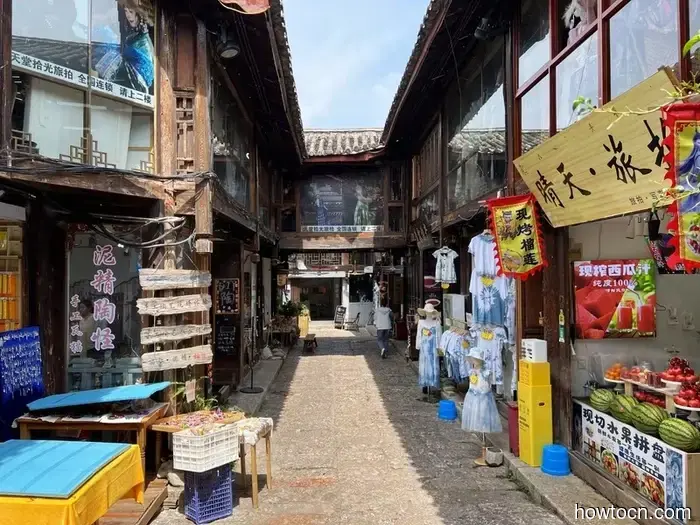
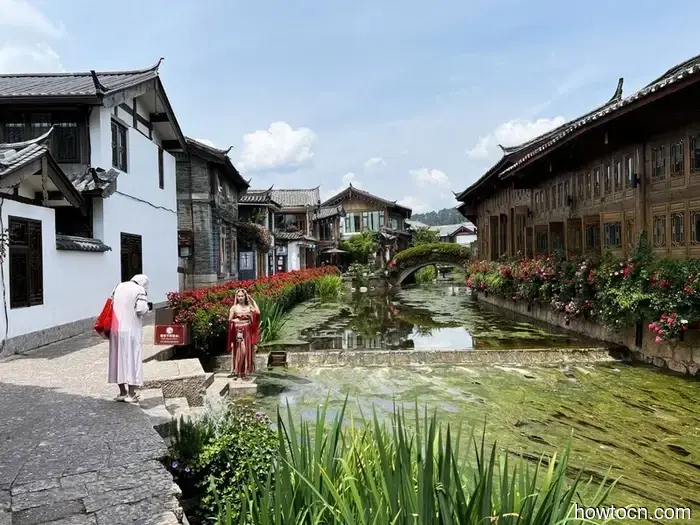
After an exhausting day at Jade Dragon Snow Mountain, it was refreshing to return to our base in Lijiang old town with a few hours left to explore and find dinner. This was our third day, yet we hadn't seen much of the town since we've been focused on the surrounding areas. Although I recognized that we were viewing a reconstructed and reimagined old town instead of authentically preserved structures, I couldn't help but admire the craftsmanship and the charm of the winding alleys. It would have been easy to overlook all the intricate details that contributed to this aged ambiance - the dark bricks, wooden shutters, and slender trees. Along one street, polished boulders appeared to have been left by the retreat of an ancient glacier. Night fell quickly, but the flagstone paths remained illuminated by lamps and strategically placed recessed lighting. The light shimmered off the wooden walls and the vibrant streamers strung above the paths. We passed a temple adorned with colorful hearts featuring the prayers and wishes of visitors. In another alley, a group of guitarists entertained a relaxed crowd sitting outdoors on mats and folding chairs, sipping beer.
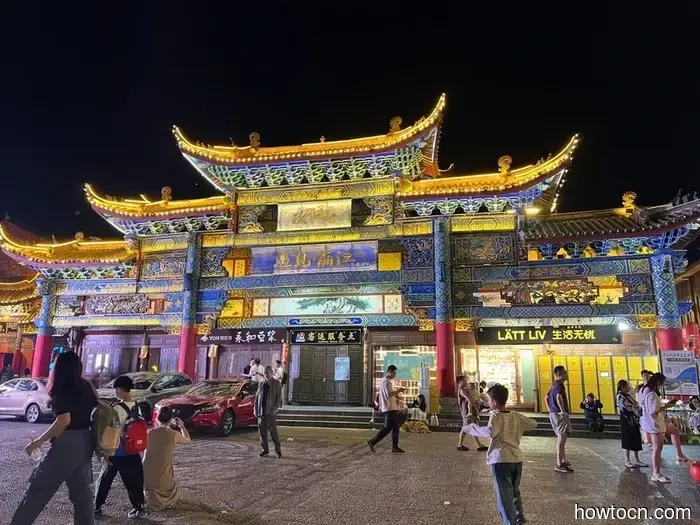
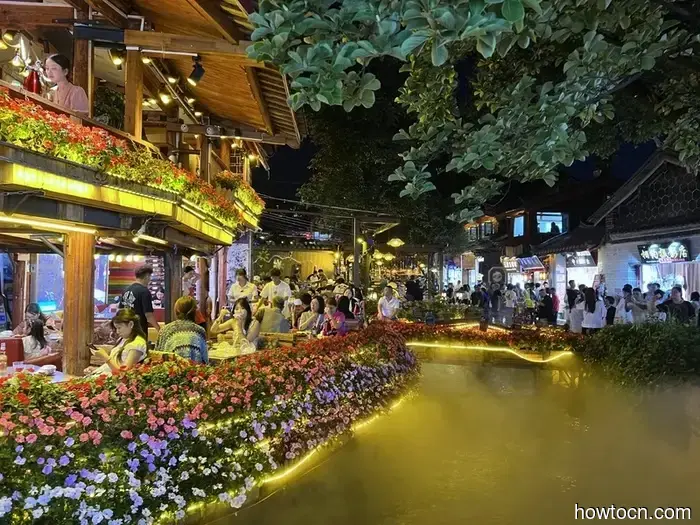
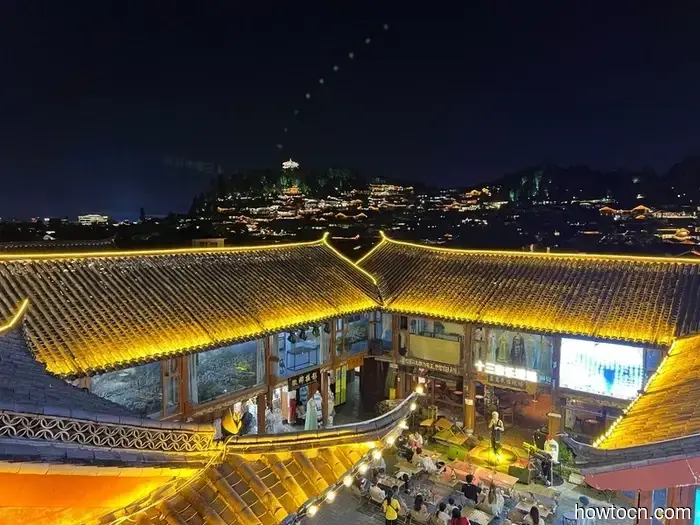
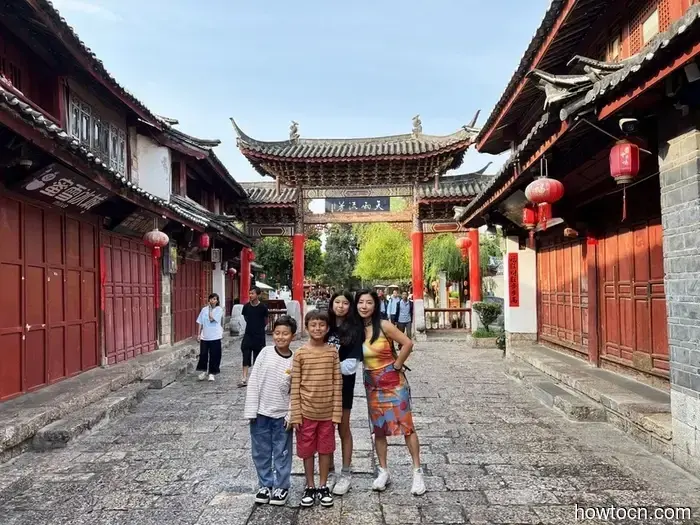
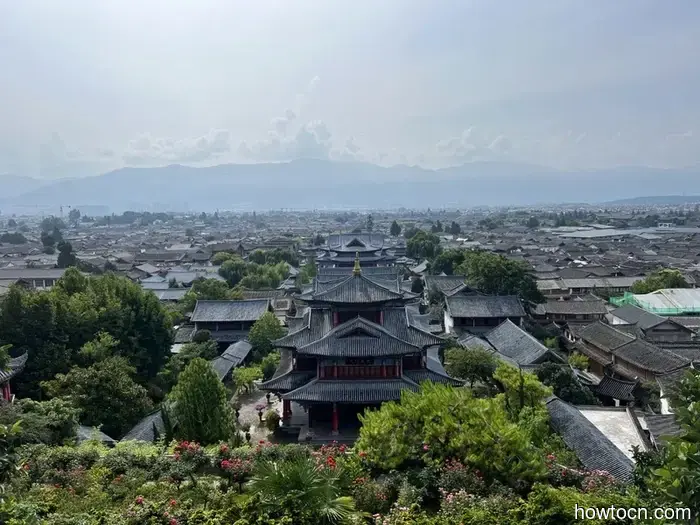
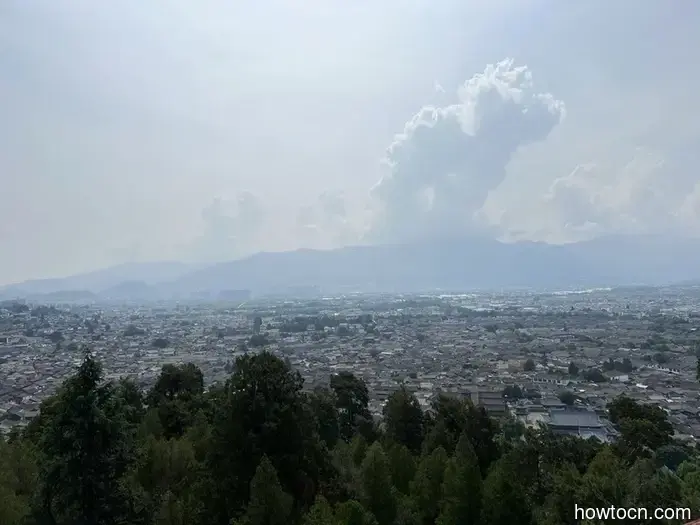
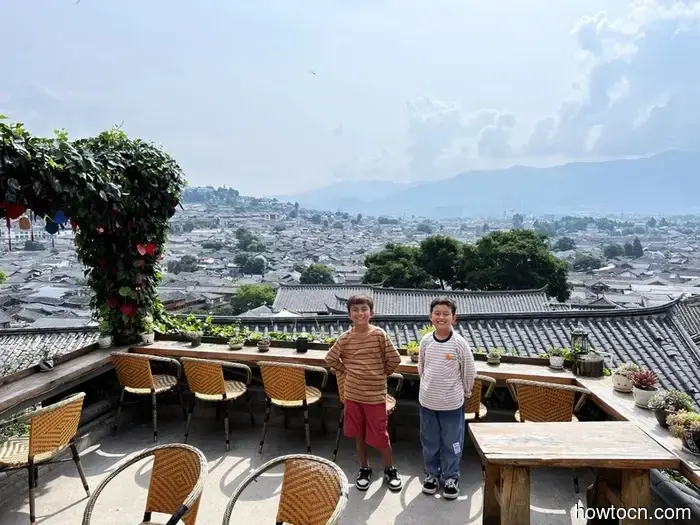
As the evening wore on, we began scanning the restaurants around us hoping for a suitable dinner option. Despite many appearing inviting, their reviews on Chinese apps were consistently poor. Most were low-quality tourist traps set in beautiful surroundings. Mei Ling found a couple of promising leads, but navigating the alleys was difficult, and when we arrived at our targets, they were fully booked. Our last attempt led us outside the northern gate of the old town, marked by an ornate and brightly lit pailou. Once again, the restaurant we sought proved elusive or nonexistent, so we opted for the nearest one that seemed acceptable. It was a minimally decorated local place, a far cry from the enchanting atmosphere of the old town. The food was as expected - decent but forgettable. We plunged back into the old town where the tourist restaurants were now packed, poor reviews notwithstanding. One large restaurant sat on a man-made island surrounded by a moat, with water vapor from hidden pipes creating a mist over the surface, and colorful flowers enveloping the dining area. It was a design marvel that surpassed anything I had encountered in the West, in a Chinese city most Westerners probably hadn’t heard of. We discovered an observation area with lovely views of the golden lights of the old town. In the distance, a bright pagoda atop a tall hill caught my eye, and I recognized it as Lion Hill, a site I wanted to visit. Had it been a couple of hours earlier, we might have continued in that direction, but the kids were already tired. Lion Hill would have to wait for the following day.
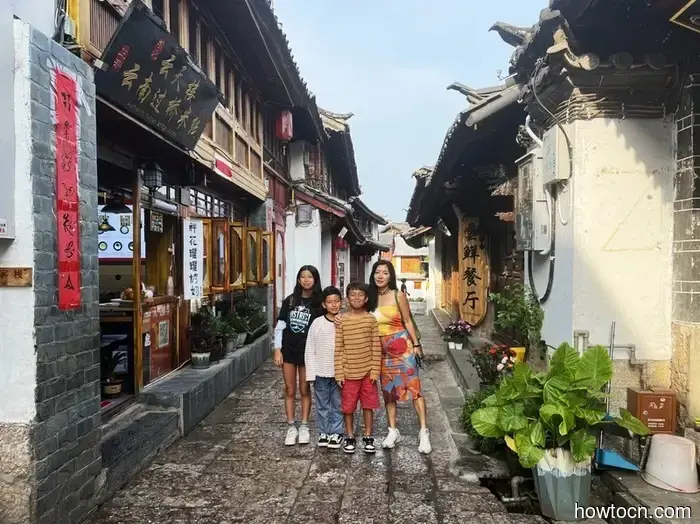
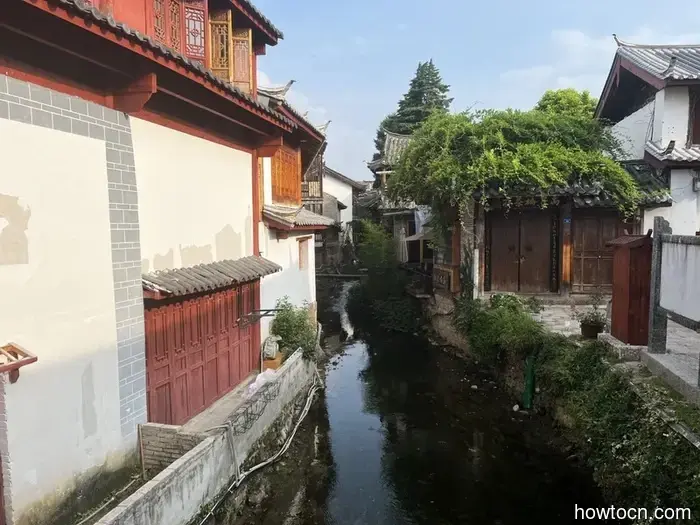
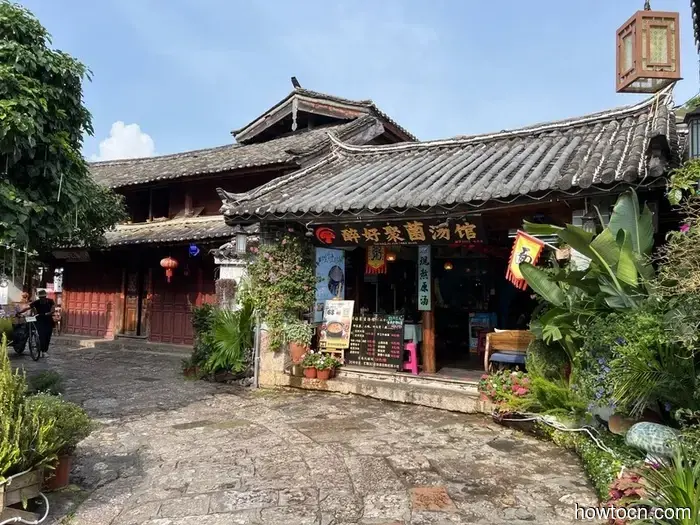
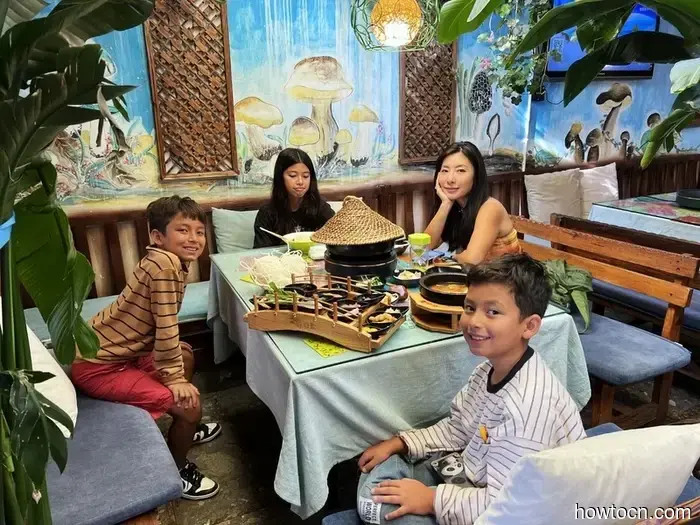
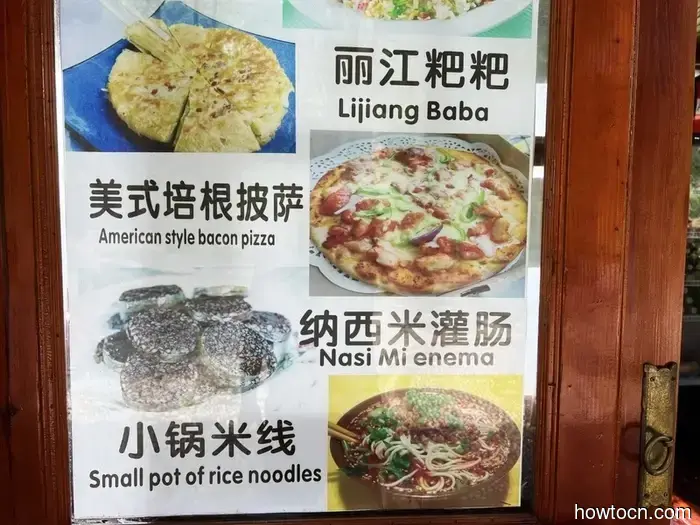
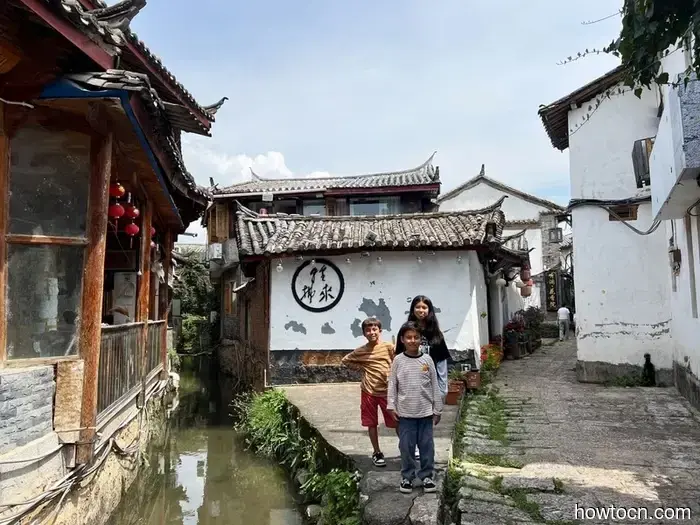
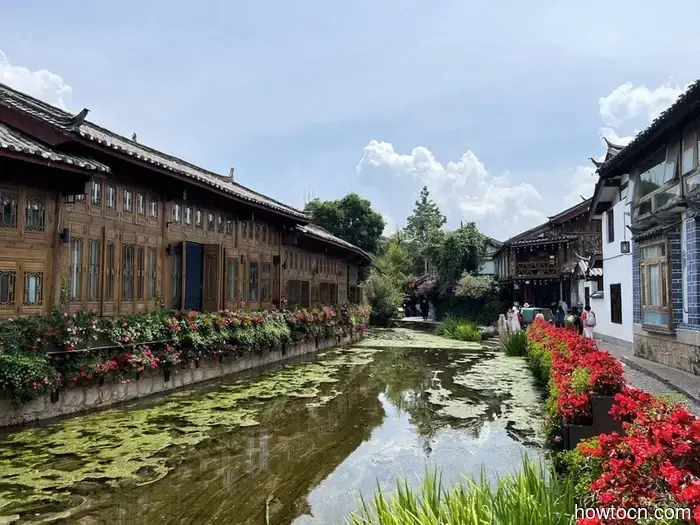
On our final day in Lijiang, we had just four hours to explore the old town before our afternoon train to Dali. We rose early and left our luggage at the front desk. We set off in a direction away from the main commercial area, discovering fascinating alleys and canals that we hadn't encountered before. Most shops weren’t open yet at eight in the morning. After the previous evening's forgettable dinner, we were eager to find a memorable last meal in Lijiang. We chose a spot based solely on its curb appeal rather than an app, where they offered a Yunnan specialty known as crossing-the-bridge noodles. This dish presents a boiling chicken and pork soup, with the other ingredients served uncooked or partially cooked on a separate plate. Diners then add the noodles and other elements to the soup, which cooks them within minutes. The dish's name is inspired by a local legend about a devoted wife who crossed a bridge to deliver food to her husband each day, ensuring the solids remained separate from the soup to avoid becoming soggy. Our ingredients were presented on a platter shaped like a bridge, paying homage to the tale. The soup was excellent and a fun experience for the kids, marking our best restaurant meal in Lijiang.
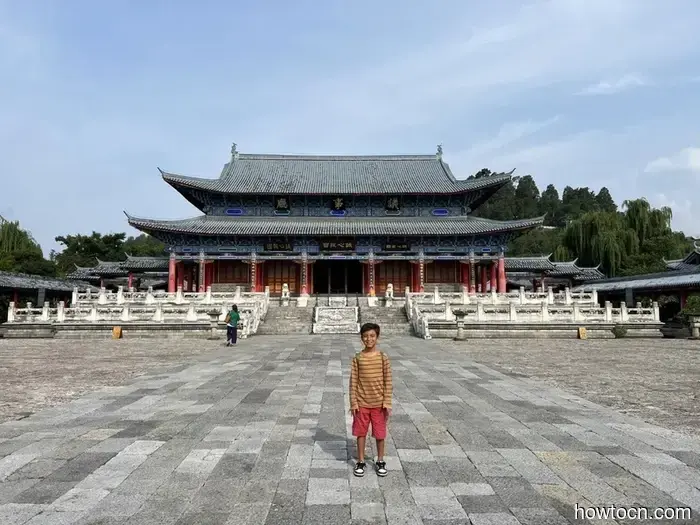
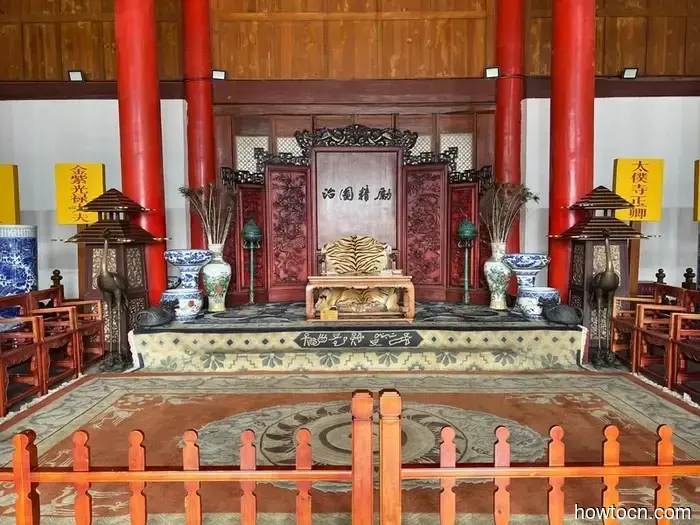
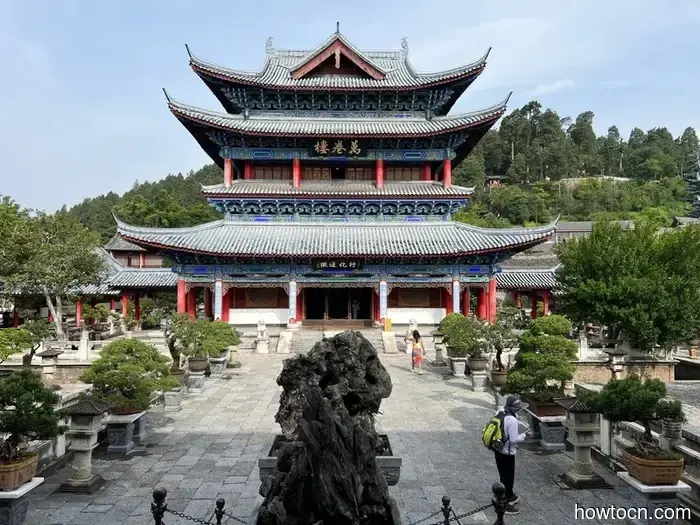
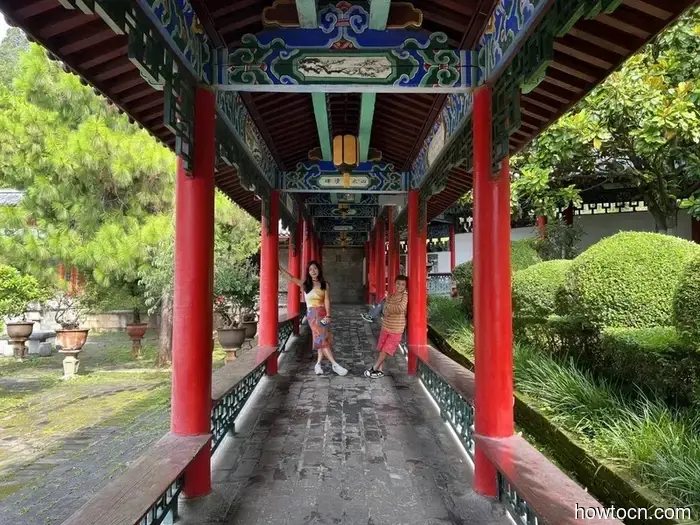
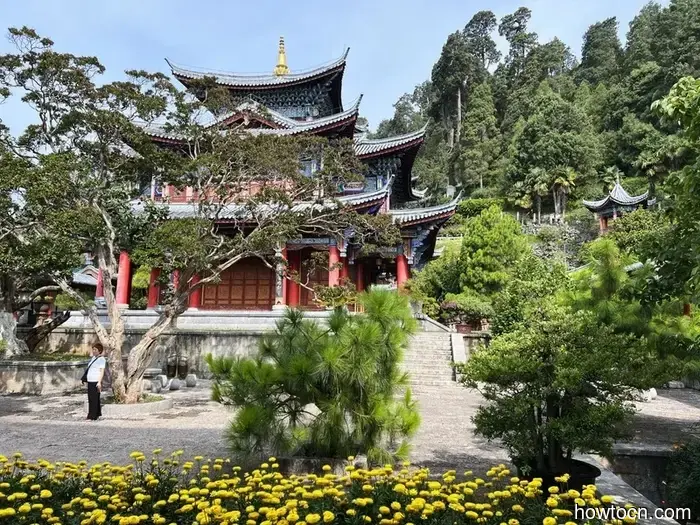
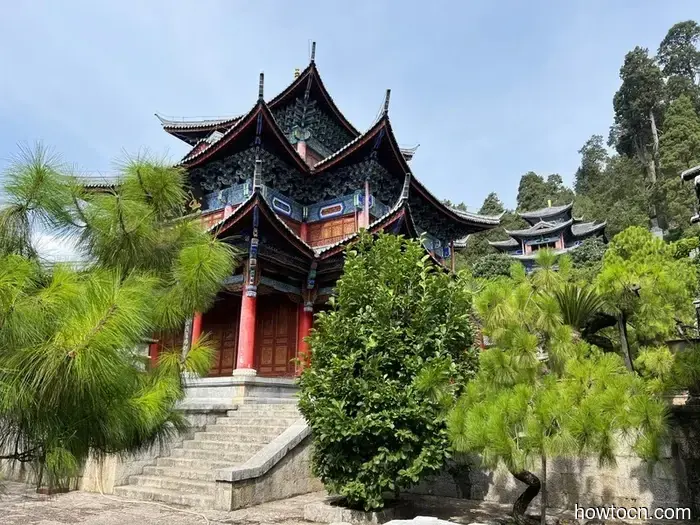
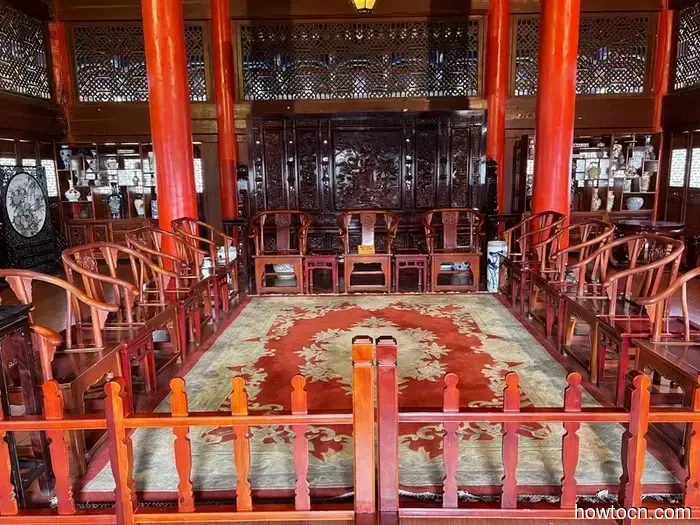
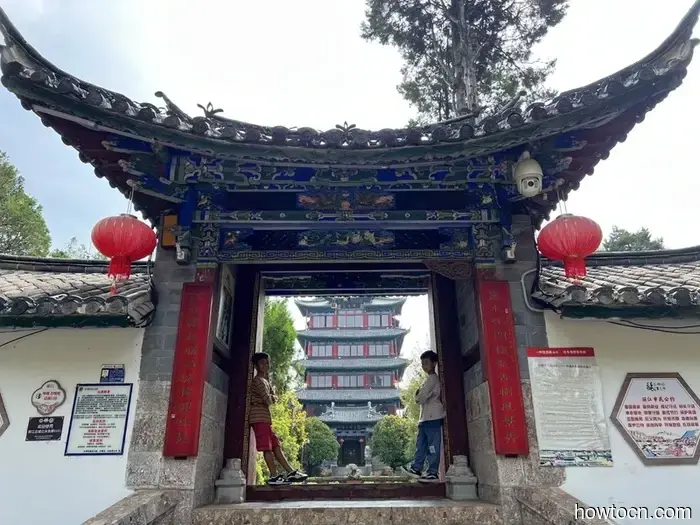
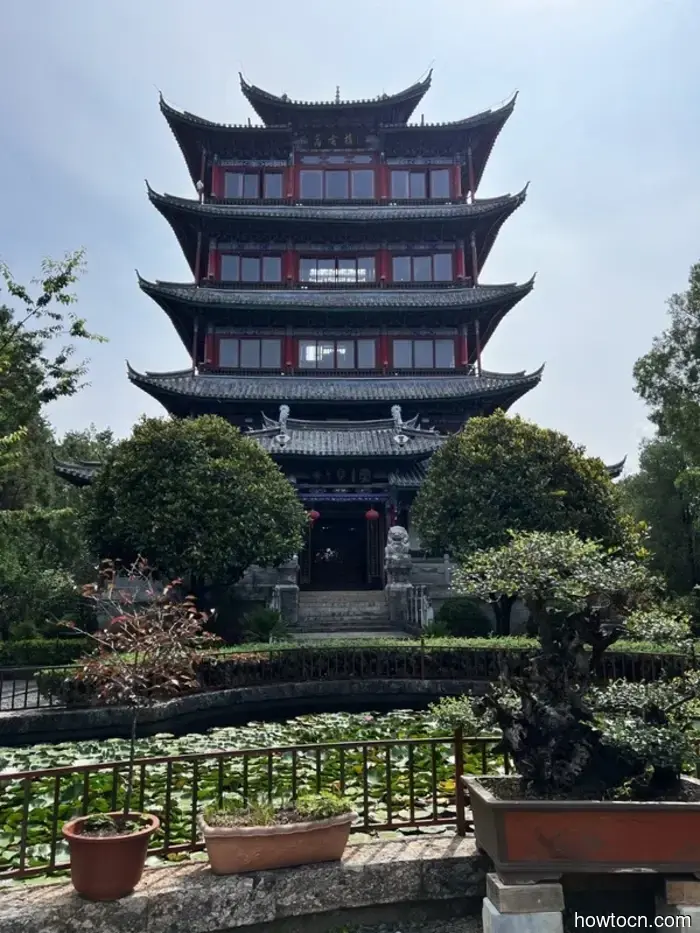
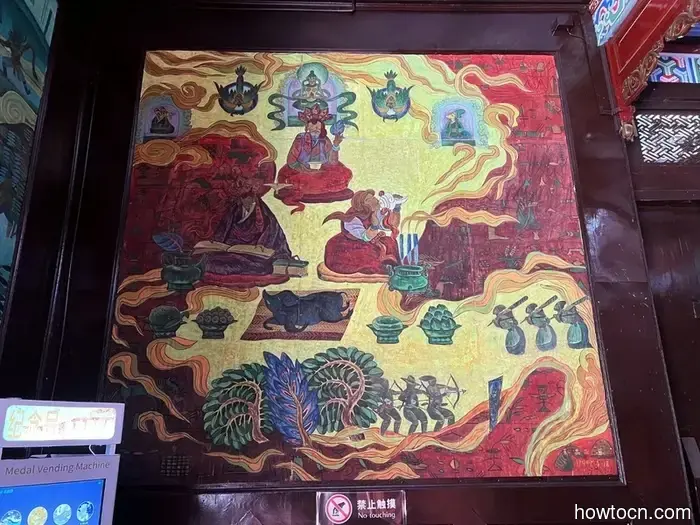
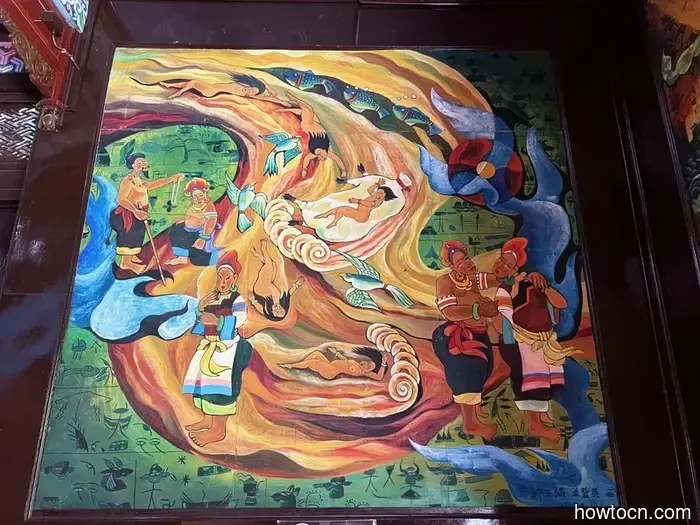
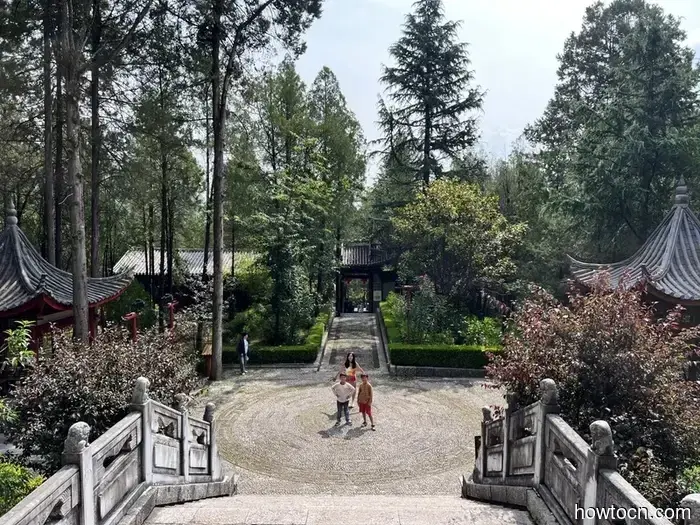
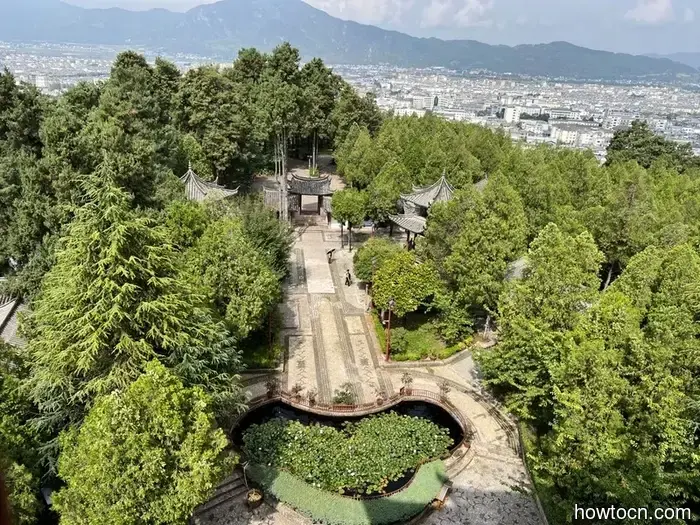
The entrance to the Mu family mansion is located right in the heart of the old town. The Mu family were the leaders of the Naxi from medieval times until the end of the imperial era in 1911. Their family residence occupied a large area at the base of Lion Hill but was largely destroyed during warfare in the Qing Dynasty. After a devastating earthquake in 1996 destroyed much of Lijiang, the local authorities decided to reconstruct the Mu mansion to resemble its appearance during its prime. The Chinese tend to interpret history liberally, so there's no guarantee of the authenticity of this modern version of the estate. The compound consists of an array of ornate buildings arranged along a linear axis. The first, Yishi Hall, served as a council room for official meetings held by the Mu ruler, known as the Tusi, with his advisers. Inside,
07/17/2025 - 07/18/2025 See Asia 2025 on zzlangerhans's travel map.