
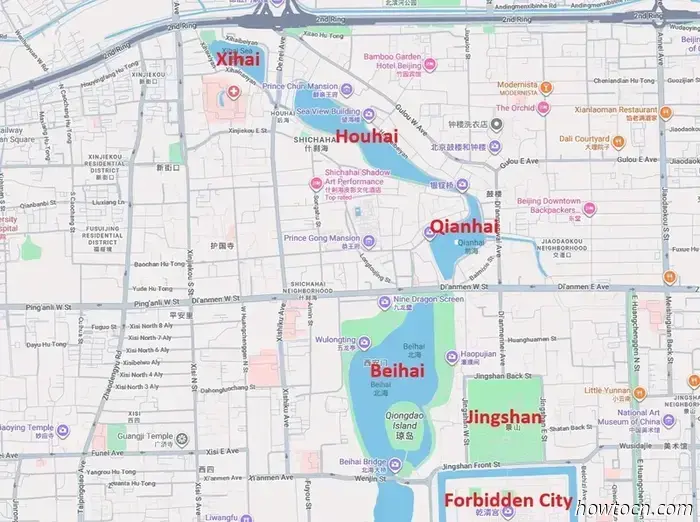
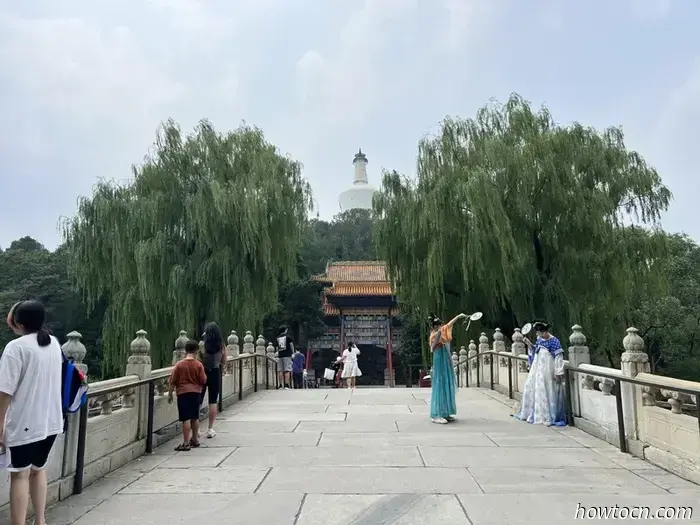
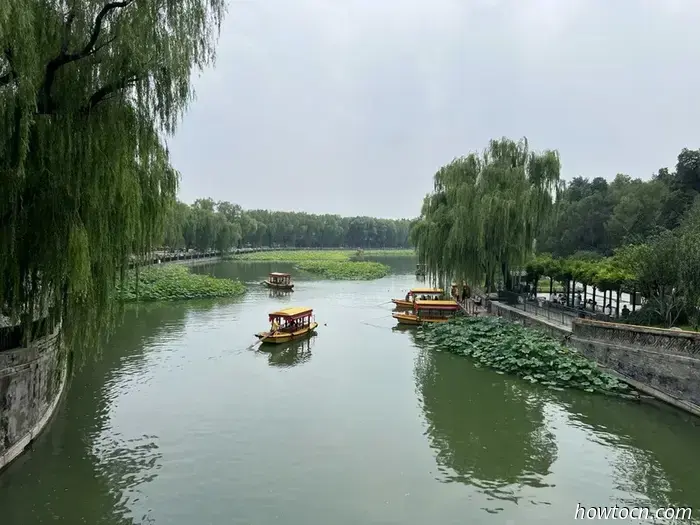
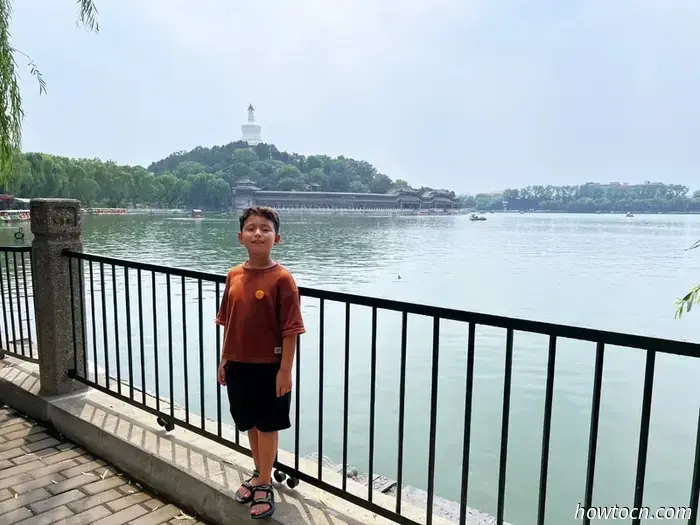
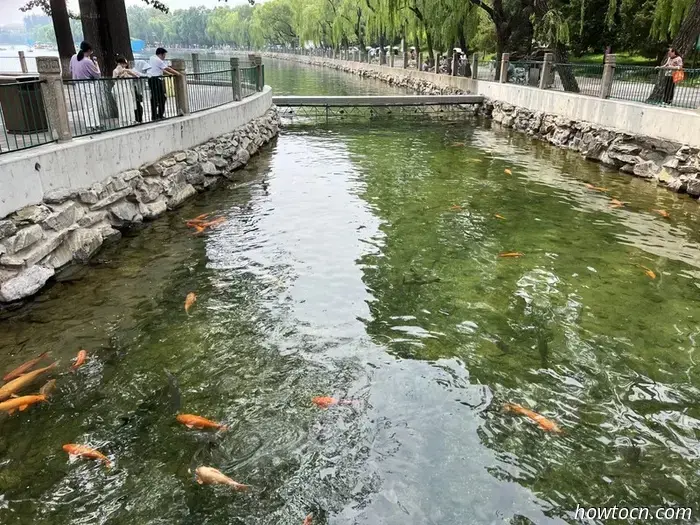
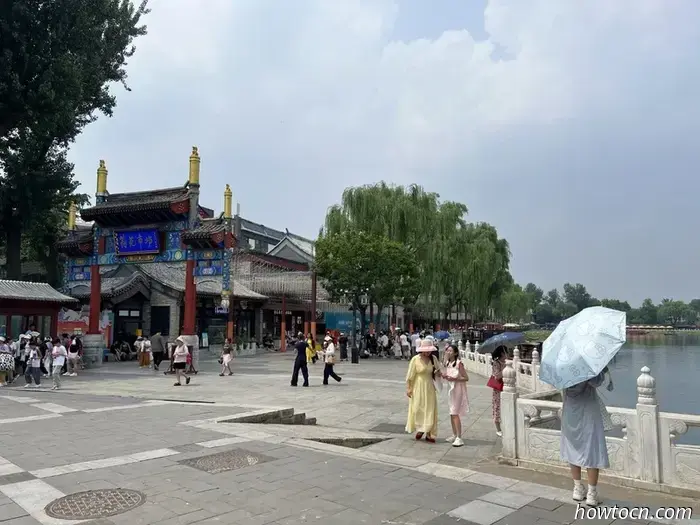
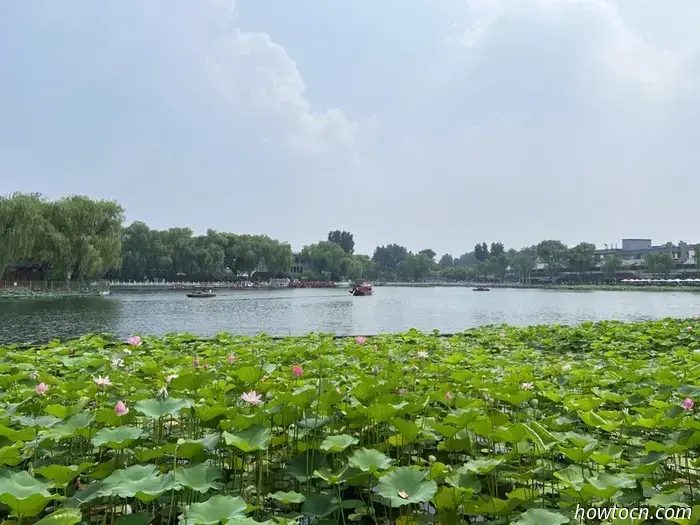
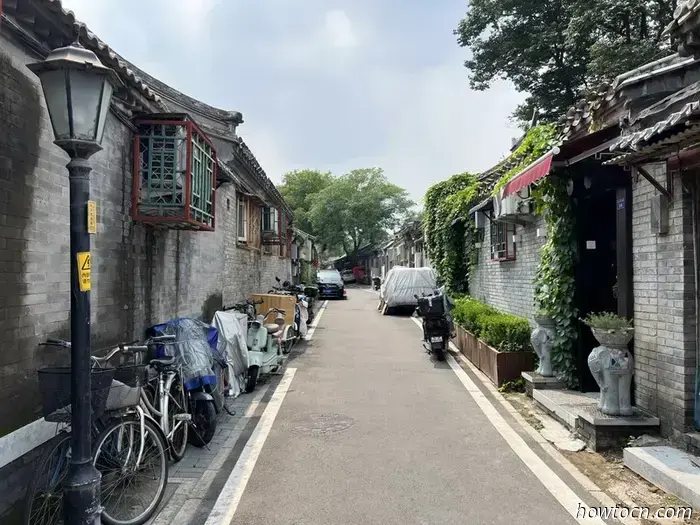
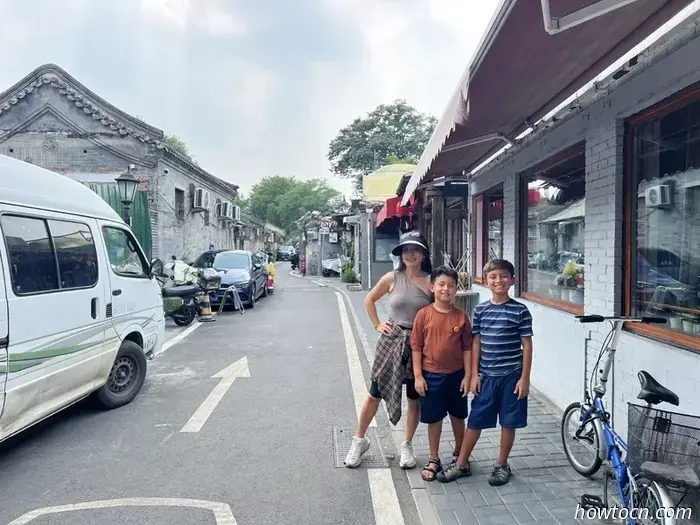
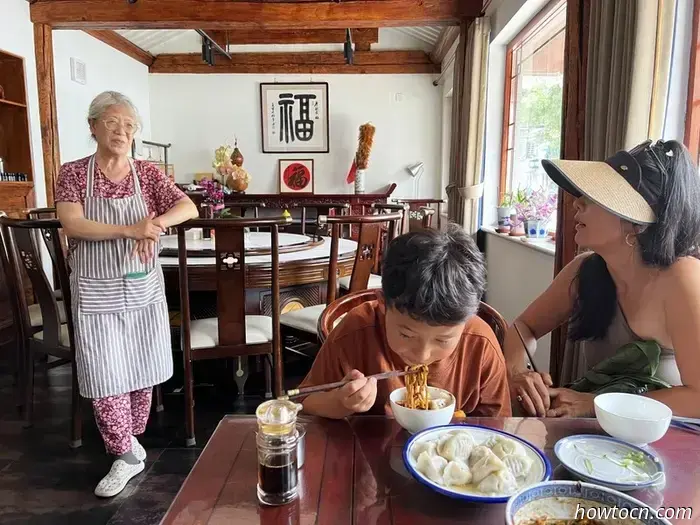
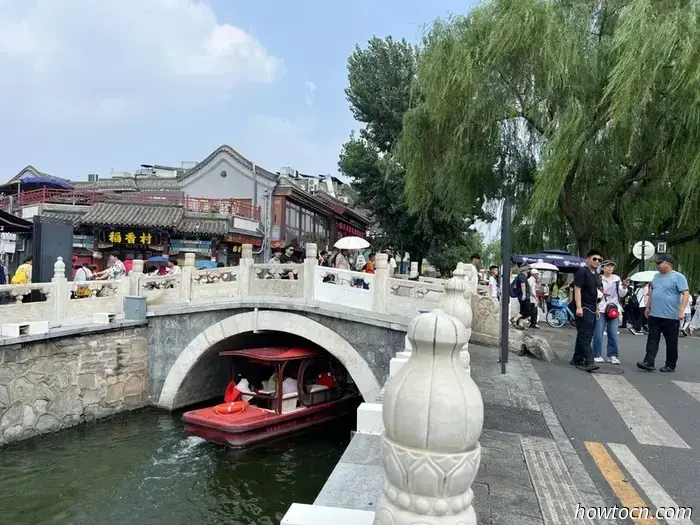
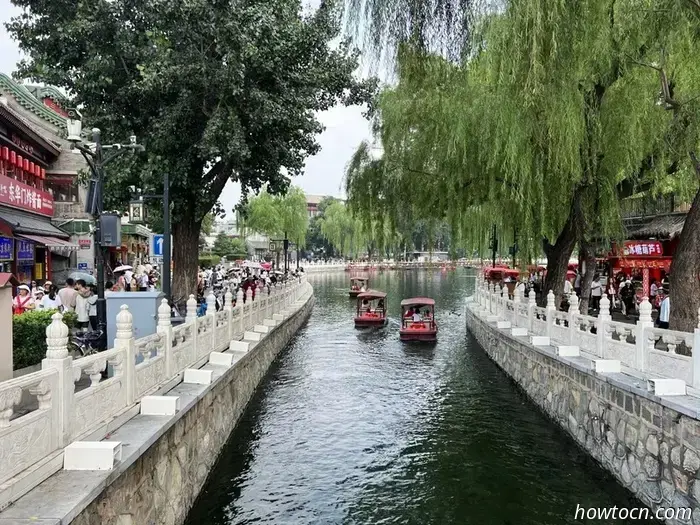
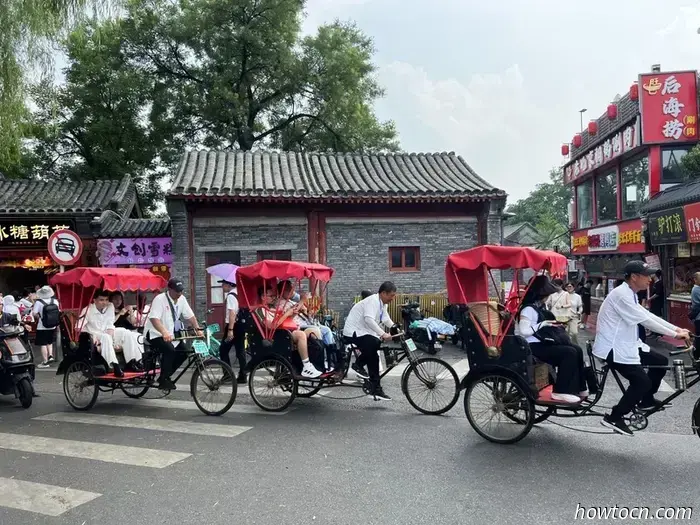
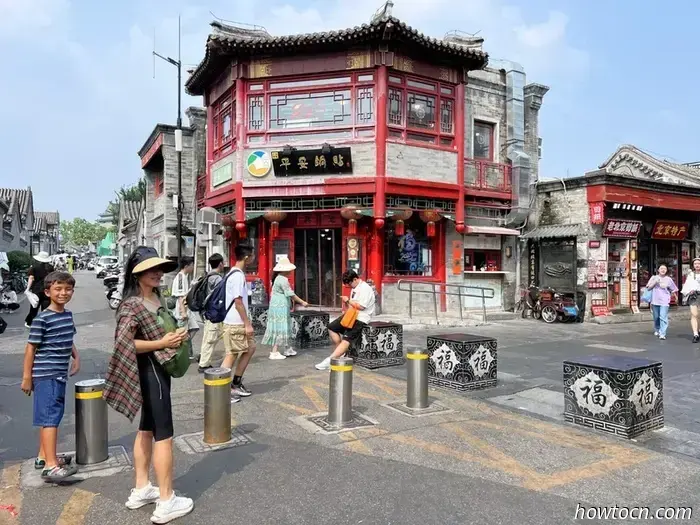
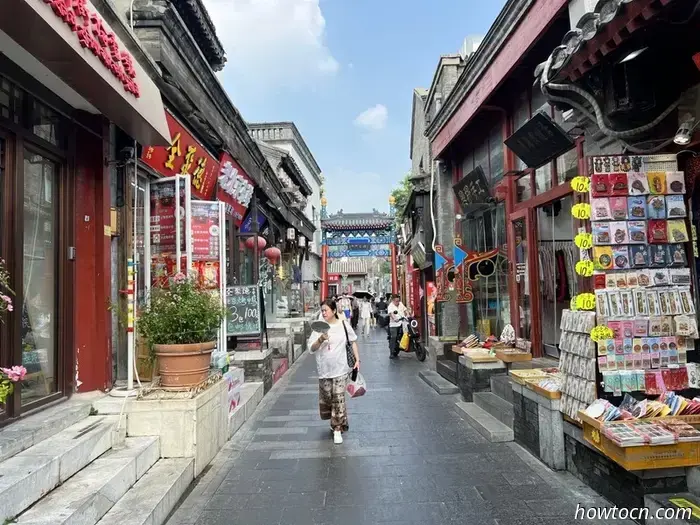
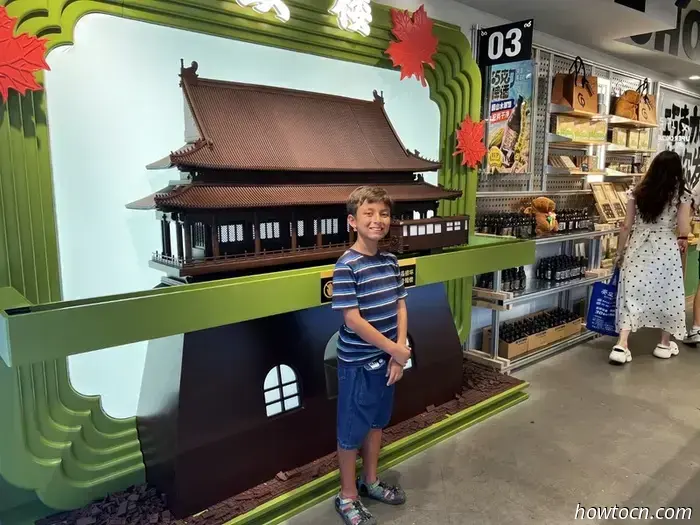
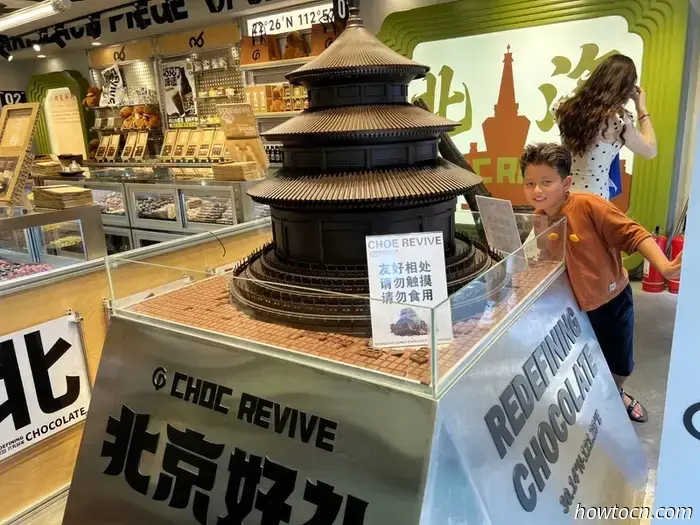
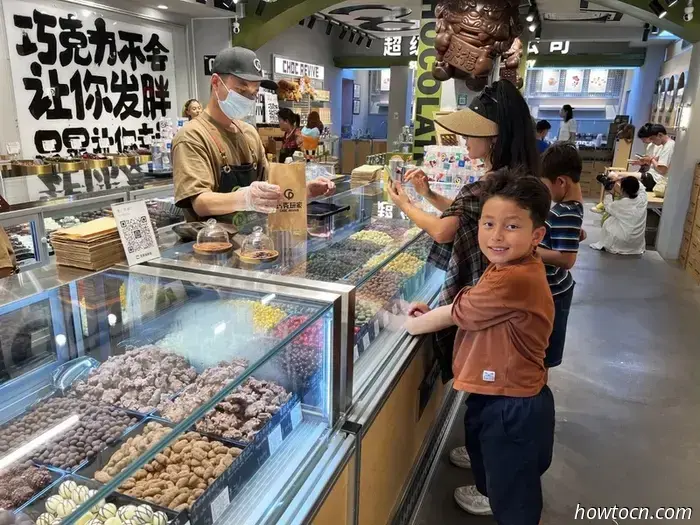
The extensive row of lakes to the west of the Forbidden City was previously a marsh, but during the tenth to twelfth centuries, the Liao and Jin emperors commanded that the land near the royal palace be excavated and transformed into an imperial garden lake known as Taiye. A few centuries later, some marsh areas to the north of this lake were deepened and expanded to establish the northern end of the Grand Canal, which linked Beijing to Hangzhou and the Pacific Ocean. Around the same period, Taiye was divided into three sections: Beihai (north), Zhonghai (middle), and Nanhai (south). While Taiye was not directly part of the Grand Canal, it was connected via water channels. Following the fall of the imperial system in the early twentieth century, all the lakes were linked, and the Taiye lakes became accessible to the public. The trio of lakes north of Beihai is referred to as Shichahai, which includes Qianhai (front), Houhai (back), and Xihai (west). We exited Jingshan Park through the west gate and began our journey around the lakes, starting at the elegant Doushan Bridge from the Ming Dynasty, which led us to the rounded Qionghuadao islet. This area was a favored spot for Chinese tourists to take photos in traditional attire. At the opposite end of the bridge stood an ornate pailou gate, behind which the grand White Dagoba was situated, built on the highest point of the island in 1651 to commemorate a visit by the Dalai Lama. Since both Mei Ling and I had previously visited the island, we chose to follow the path along the lake's edge. From the bridge, we observed small yellow taxi boats navigating between the islands of lotus within the lake. We leisurely made our way around the eastern side of Beihai, enjoying the sight of families enjoying time on the water in small electric boats. From this vantage point, we had a different perspective of Qionghuadao, noted for the long northern wall of the Yong’an Temple complex and a stone terrace right by the water. Here, it was easier to appreciate the island's mound shape, with the White Dagoba perched atop like a crown. It was clear why the builders had named it "exquisite flower." Eventually, we reached the small pond at Beihai's northern end, filled with orange and grey koi. A short bridge over the pond led to the bustling road connecting Beihai and Shichahai. Qianhai was quite busy and commercialized, featuring numerous restaurants, souvenir shops, and fast food stalls. We considered grabbing a bite to eat but struggled to find a menu that appealed to us, as most were geared towards domestic Chinese tourists. Nonetheless, the picturesque surroundings, with ornate white stone fences encircling the lake, were bordered by willows and lotus. We passed the entrance to a hutong and opted to explore inside. Initially, there were some shops, but soon the atmosphere shifted to a more residential vibe, with bicycles and scooters leaning against the grey brick walls of the buildings. Mei Ling noticed a noodle restaurant, although it was dimly lit and empty inside. Despite this, she knocked, and an elderly woman answered, inviting us in. There was no menu, but soon steamed dumplings and noodles appeared for the kids while Mei Ling engaged in lively conversation with the woman and her husband—it felt like dining at a relative's home, a unique experience we enjoyed thanks to Mei Ling's insider status in China. A narrow channel crossed by a small bridge marked our entrance to Houhai. The area surrounding the lake has historically been commercial, but in the past two decades, it has blossomed into a popular spot for tourists and expats, boasting a vibrant nightlife. The little red electric boats were a hit here, as were two-seater bicycle rickshaws with red canopies. The neighborhoods encircling Houhai had been earlier reserved for Beijing's elite since the lake's creation during the Yuan dynasty. Now, in light of Houhai's popularity, the hutongs had succumbed entirely to commercialism, losing their authenticity. However, this didn't bother us much, as we were quartered in an authentic hutong and had already found a place for lunch. Among the most intriguing shops in Houhai was a chocolatier promoting itself with large chocolate models of Beijing landmarks. Once we committed to exploring those extravagant creations, we couldn't resist purchasing an assortment of overpriced multicolored bonbons for the boys. Having previously visited Houhai on both of my earlier trips to Beijing, I felt there was little point in lingering in that area. We decided we had walked enough and started heading toward the nearest metro station. I lost my bearings in the maze of hutongs, and we mistakenly walked a couple of blocks in the wrong direction. However, all was not lost, as we stumbled upon a side



The extensive chain of lakes located to the west of the Forbidden City was formerly a marshland. However, the Liao and Jin emperors, during the tenth to twelfth centuries, commanded the excavation and redesign of the area next to the royal palace complex to create an imperial garden lake named Taiye. A few centuries later, some marshy regions to the north of the imperial lake were dredged and enlarged to become the northern endpoint of the Grand Canal that linked Beijing to Hangzhou and the Pacific Ocean. During this same period, Taiye was divided into three sections known as Beihai (north), Zhonghai (middle), and Nanhai (south). Although Taiye was not part of the Grand Canal itself, it was connected to it through water channels. Following the conclusion of the imperial system in the early twentieth century, all the lakes were linked and the Taiye lakes were opened for public access. The three lakes situated north of Beihai are commonly referred to as Shichahai and include Qianhai (front), Houhai (back), and Xihai (west).
.jpg)