
Beijing is an exciting city! Keep up with everything happening through our weekend news summary.
**New Insect Museum Opens in Fengtai**
Beijing has just unveiled its largest insect museum as part of its recent science outreach initiatives. The Peking Insect Museum (北京市自然昆虫博物馆), which opened on April 9 in Fengtai District, showcases over 10,000 insect specimens, along with more than 100 live insects and reptiles.
The moderately sized 4,000 sqm facility includes educational exhibition spaces, interactive areas, and extended service facilities, all designed to accommodate various public needs, research activities, parent-child engagements, and more.
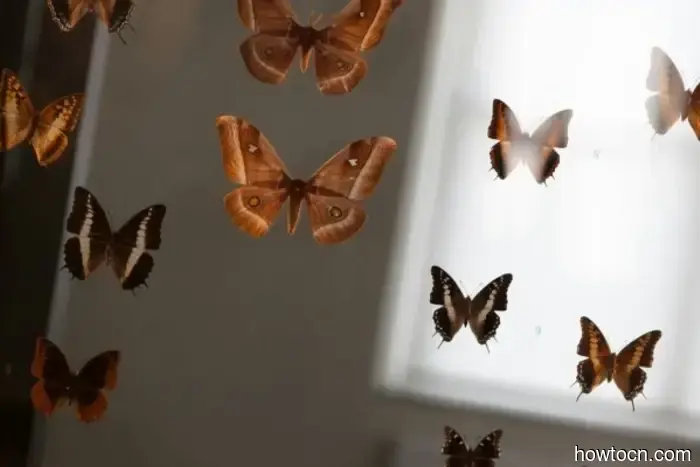
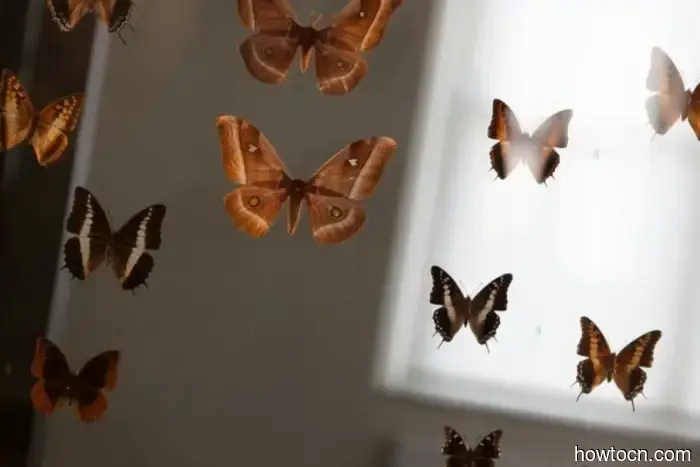
Notable exhibition features include the stunning “butterfly wall,” a vertical display of lit specimens showcasing hundreds of vividly colored butterflies, and the jewelry room, where insect specimens are paired with insect-inspired antique jewelry.
The museum also emphasizes aesthetics, with light wood floors, display cases, and ceiling fixtures complementing the predominance of white materials, clean lines, open spaces, and large windows that bring in plenty of natural light. The layout of the exhibition spaces prompts visitors to contemplate the relationship between humans and the natural world.
The Peking Insect Museum is open Tuesday to Sunday from 10 am to 7 pm. An adult ticket costs RMB 129, while a ticket for children measuring between 1 meter and 1.2 meters tall is RMB 64.5. Children under 1 meter can enter for free. More information is available through the museum's official WeChat account “北京市自然昆虫博物馆.”
Location: Peking Insect Museum,北京市自然昆虫博物馆, 3/F, Bldg 3, South Axis International Cultural and Technological Park, 15 Nanyuan Lu, Fengtai District丰台区南苑路15号南中轴国际文化科技园3号楼3层
**Updated Dog Management Regulations Draft Presented for Public Review**
On April 8, the Beijing Public Security Bureau released the “Beijing Municipal Dog Management Regulations (Revised Draft)"《北京市养犬管理规定(修正草案)》for public comment until May 7. This update is intended to revise existing regulations regarding dog ownership and management, focusing on the health and safety of residents, public order, and the city’s overall appearance.
The proposed changes revise eight of the current 35 regulations, eliminate two regulations, and introduce three new ones. Updates include clarifications on the city's dog management administrative structure, as well as on dog registration requirements, responsibilities for dog owners, designated areas for dogs, exemptions for the elderly and disabled, dog confiscation procedures, penalties for improper registration or dog ownership, and repercussions for harm caused by dogs.
Comprehensive details can be found in the proposed updated regulations, but some key updates include:
**Immunization, Registration & Other Obligations for Dog Owners**
Dog owners must take dogs three months or older to a legally recognized rabies immunization center for a health check, rabies vaccination, electronic identification implantation, and issuance of a dog immunization certificate. Immunization sites are required to accurately record information about dog owners, their dogs, and the immunization process.
Registration of dogs can occur after immunization is completed. Dog owners must apply for registration with local public security authorities within 30 days of electronic identification implantation or verification of the electronic identification information, based on the immunization certificate.
The dog registration certificate requires an annual inspection starting from the date of registration. Owners must request an annual inspection with public security officials within 60 days prior to the certificate's expiration, presenting both dog registration and immunization certificates.
Those whose dogs are properly registered and inspected annually will not be charged for rabies vaccination fees.
Dogs participating in outdoor activities must not harm public interests or the legitimate rights of others.
The requirements for measures to prevent dogs from leaving their homes alone have been increased.
The length of dog leashes is limited to 1.5 meters, and dogs should not occupy public areas. Behavior training for dogs is encouraged, as well as fostering a proper understanding of responsible dog ownership among citizens.
**Dog-Appropriate Spaces & Exceptions to the Regulations**
Dogs are not allowed in the following places:
- Party and government offices, public institutions, and more.
- Educational and medical facilities, such as schools, kindergartens, childcare institutions, and hospitals.
- Cultural, sports, and entertainment venues, such as libraries, museums, memorial halls, art galleries, cultural centers, exhibition halls, theaters, sports venues, amusement parks, youth centers, and workers' cultural centers.
- Martyrs' cemeteries, revolutionary education sites, cemeteries, and similar locations.
- Restaurants [except those that are expressly dog-friendly], waiting rooms, subway stations, and similar places.

Beijing is an exciting city! Stay updated with our weekend summary of the most recent news.