
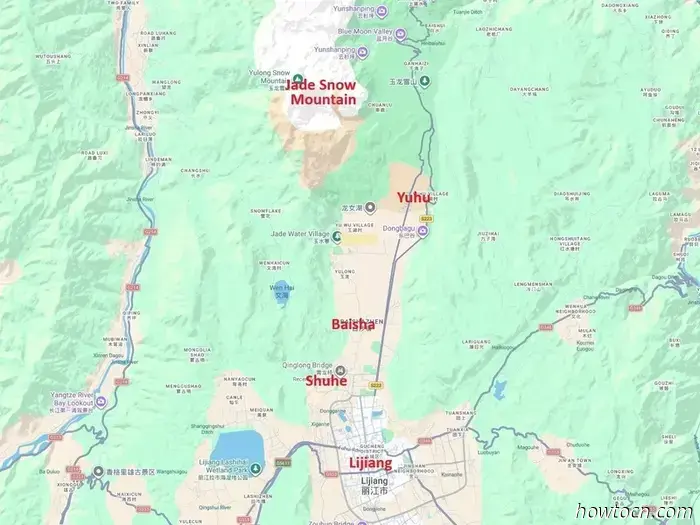
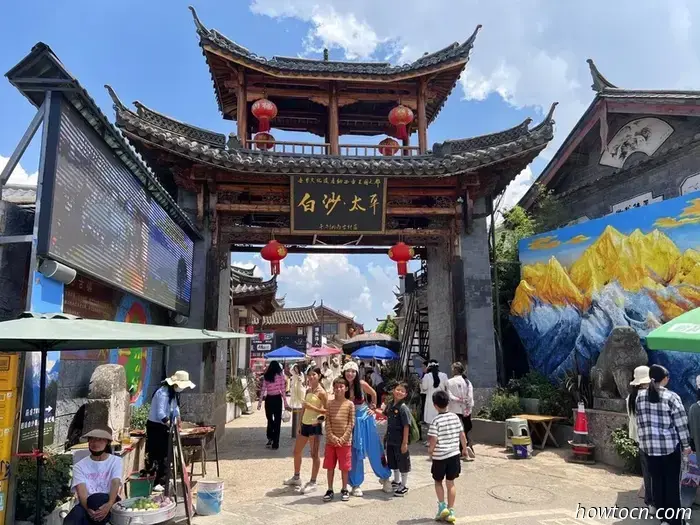
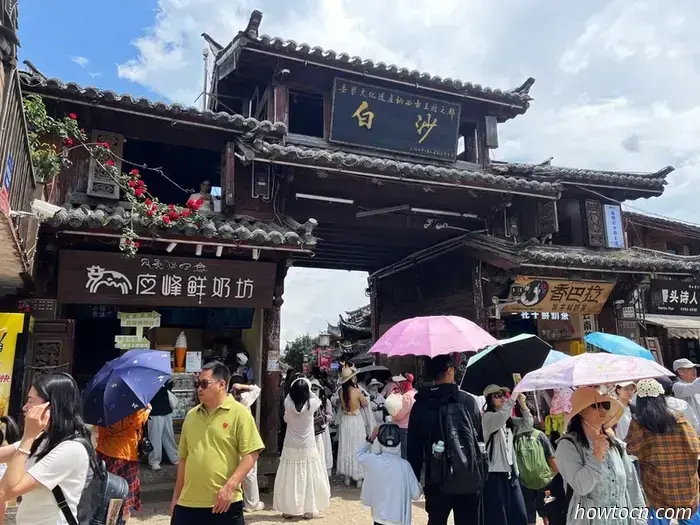
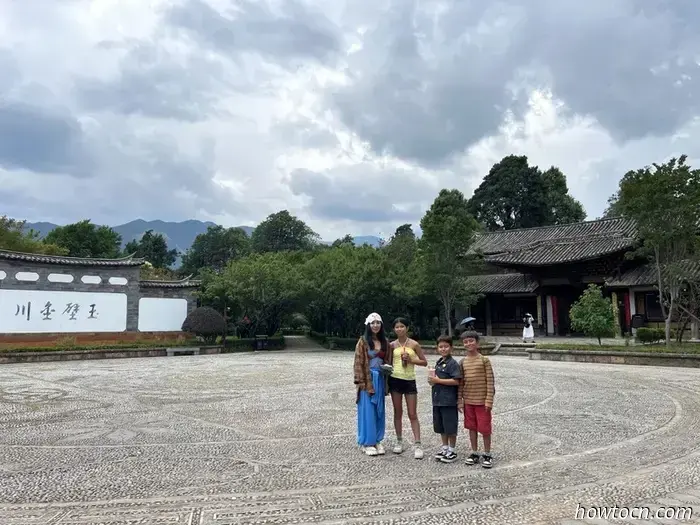
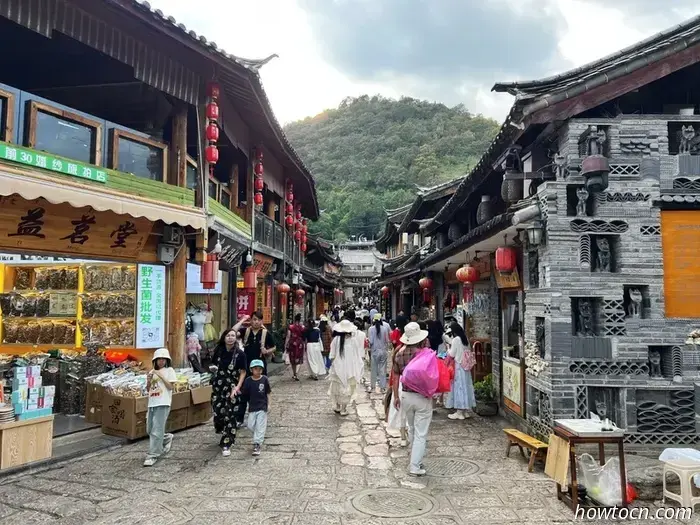
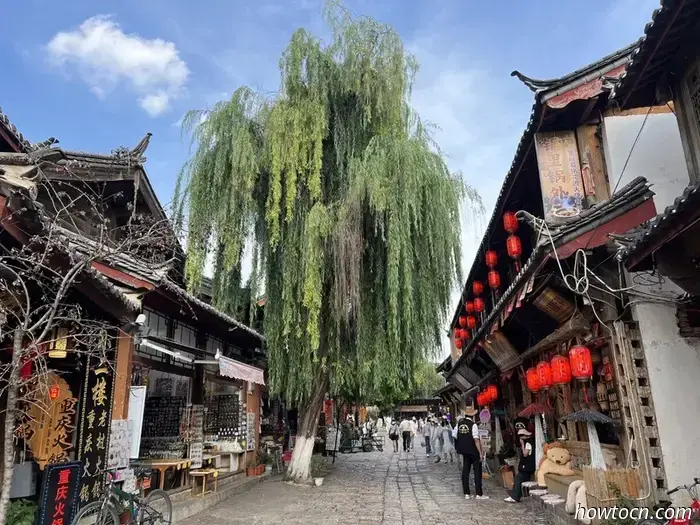
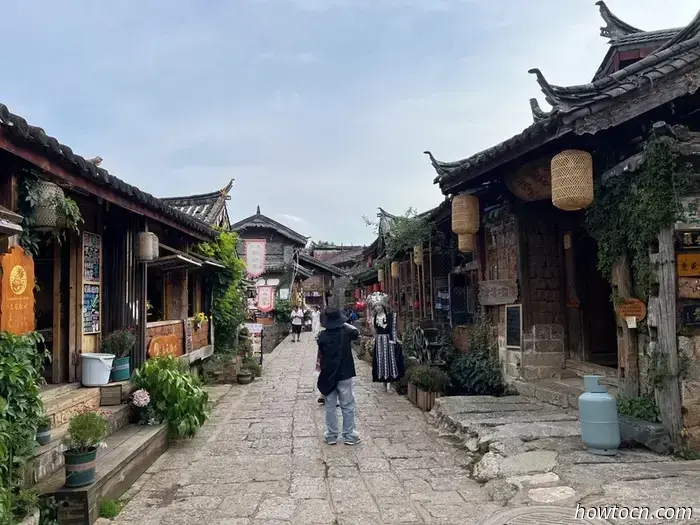
Mei Ling didn’t have any trouble finding a taxi driver willing to take all five of us to one of the villages north of Lijiang. The only stipulation was that Spenser had to squat in the footwell to avoid being seen by an unmarked police car. I was concerned this might make him carsick, but he managed the ride without issue. The driver preferred to take us to the nearest town, while I wanted to go to the farthest one, so we settled on Baisha, which was roughly in the middle. Baisha was once a key economic center for the Naxi people before it fell behind as Lijiang expanded. Today, it has become a tourist hotspot featuring the history and crafts of the Naxi, although it's often hard to discern what’s genuine and what’s tailored for tourists in China. The taxi dropped us at a bustling intersection, and we crossed to a paifang gate that said "Baisha forever peace" in Chinese. This appeared to be the entrance to the town, and we moved along a flagstone pathway filled with pedestrians and vendors. The village seemed to consist of just this one road lined with shops and eateries.
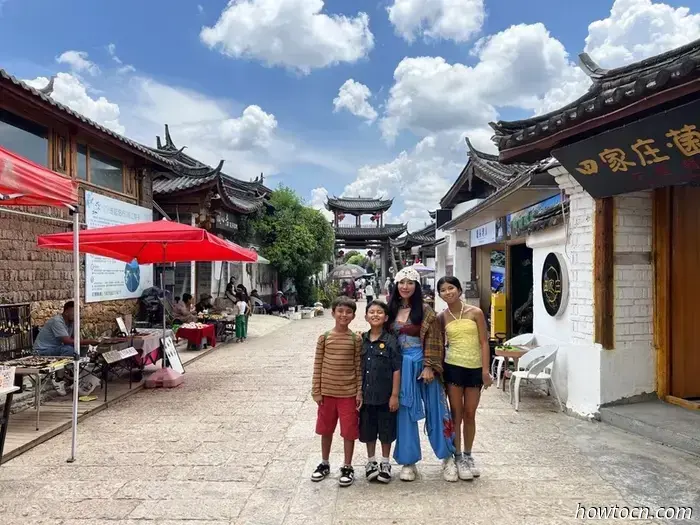
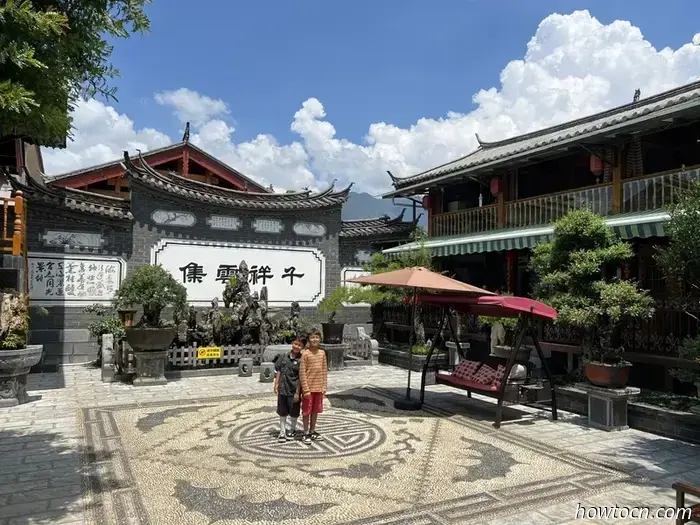
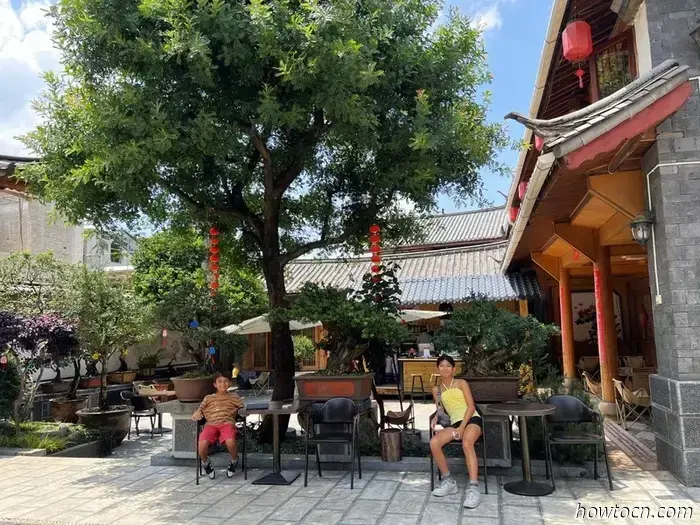
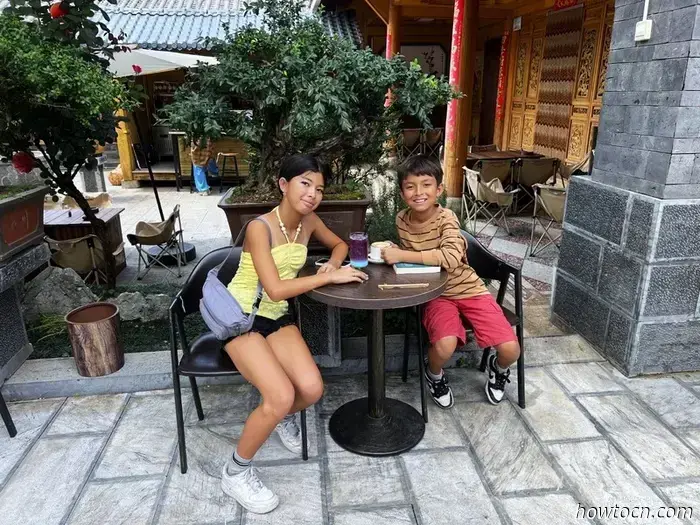
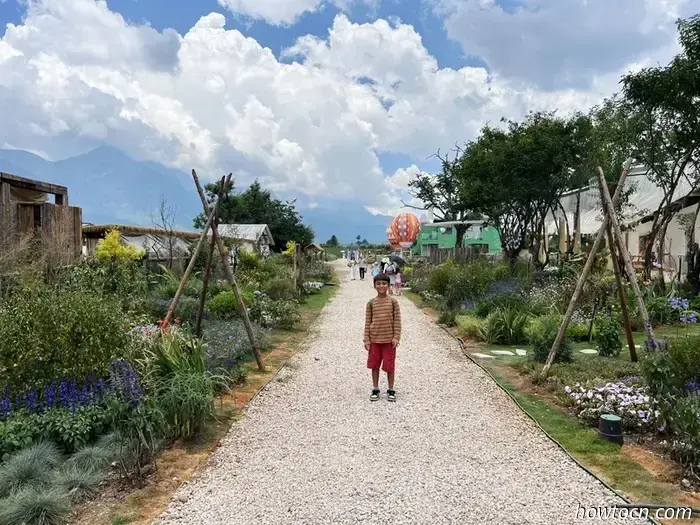
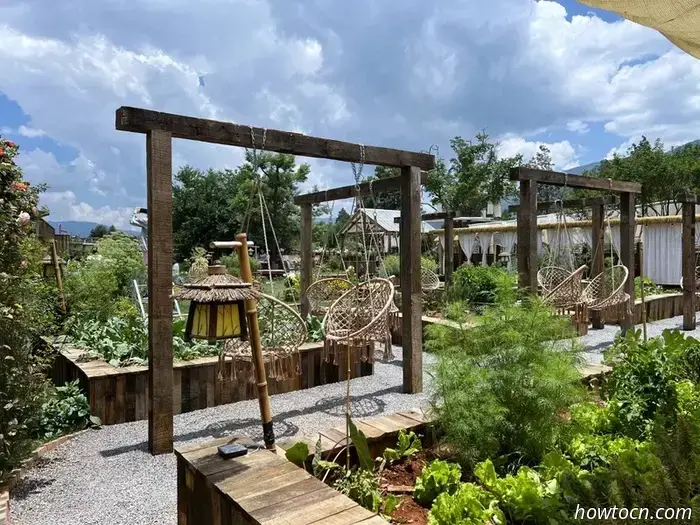
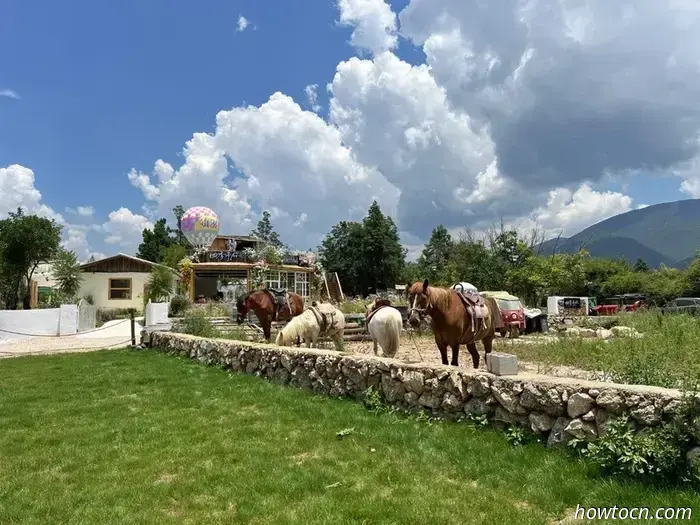
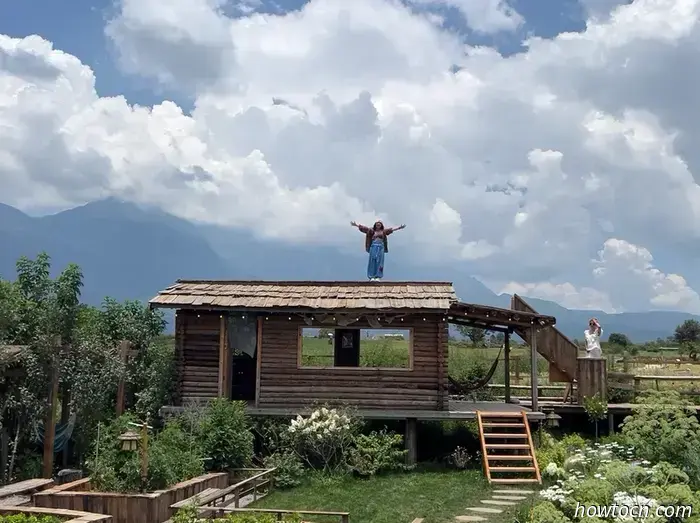
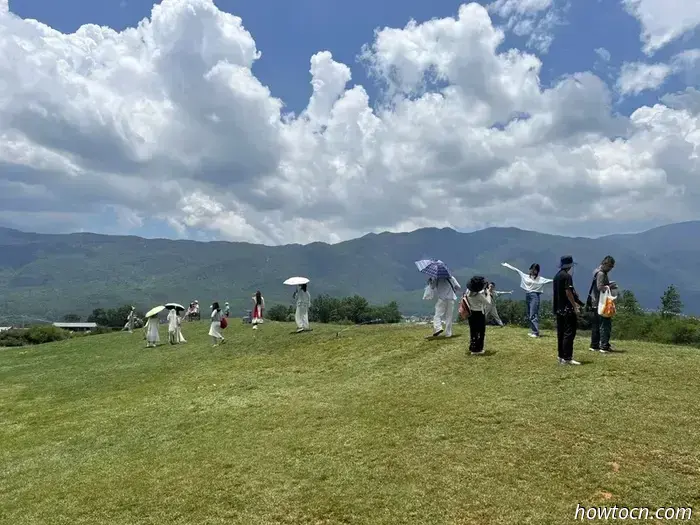
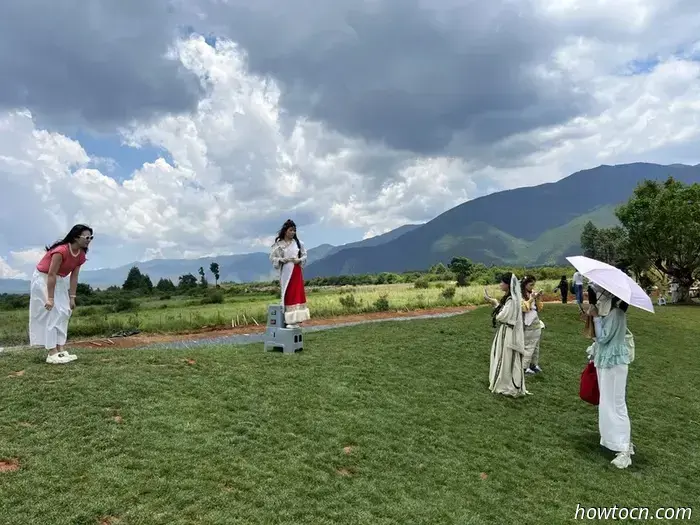
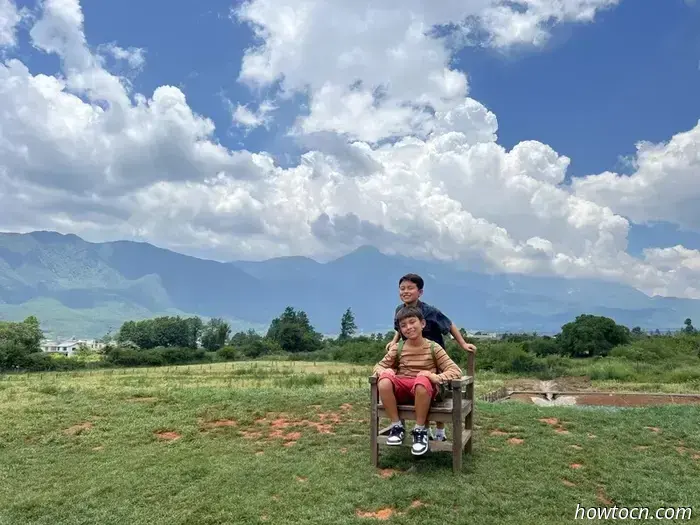
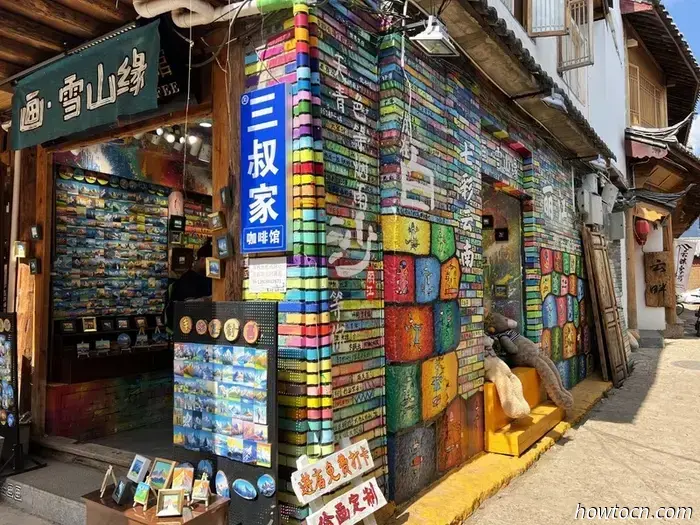
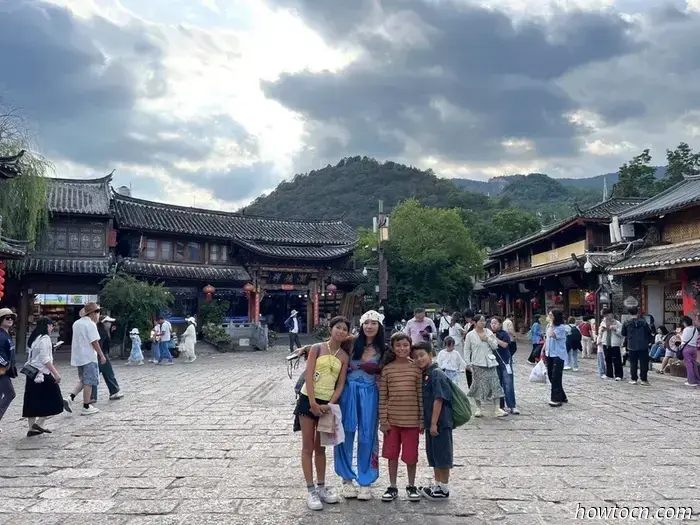
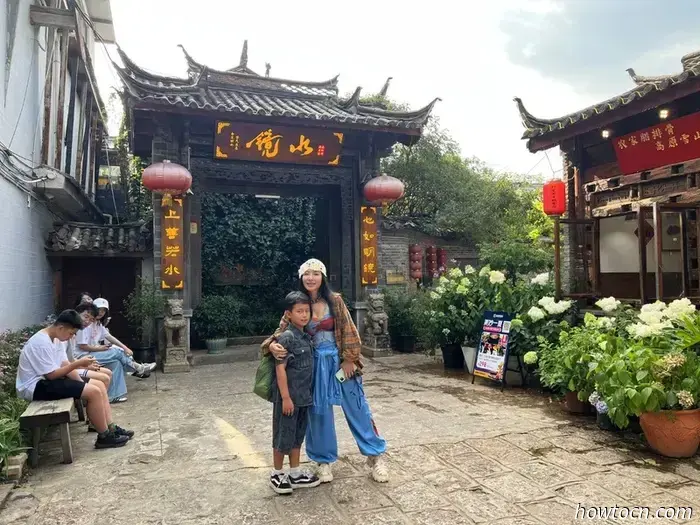
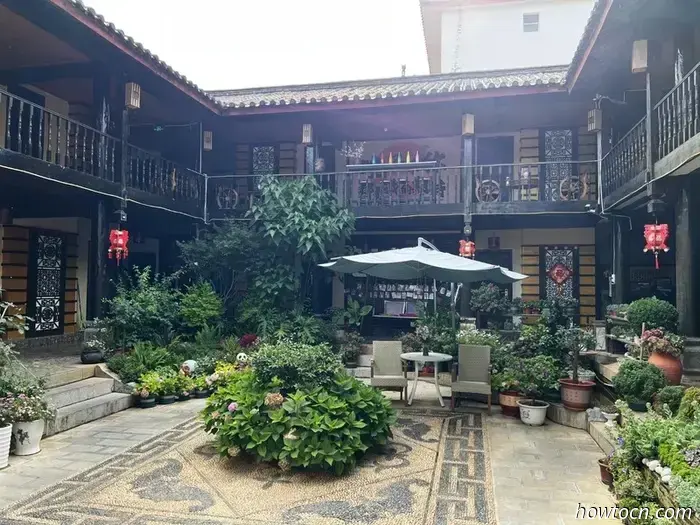
For the most part, we were not interested in snacks or souvenirs, although we were lured into a cafe with a charming courtyard built in a traditional style. The floor was an intricate mosaic made of black and white river stones, surrounded by beautiful landscaping featuring Taoist symbols. After noticing the effort the owners had put into the decor, I felt guilty for not contributing, so we purchased a coffee for Mei Ling and a drink for the kids. The coffee was decent, but the other drink was excessively sweet, even for the kids. We continued along the road until we reached the end, where the village began to blend into the surrounding grasslands. One restaurant offered horses for riding tours. We spotted another lovely cafe, mostly outdoors with hanging woven chairs and various props for social media photo opportunities. Beyond the last cafe, there was a grassy ridge that provided views of the Yulong Mountains, sometimes referred to as the Eastern Himalayas. These mountains held spiritual significance for the Naxi, and their snowmelt was the primary water source. Young women were vying for positions on the ridge as their friends snapped photos with the mountains in the background. Many girls wore traditional Naxi costumes rented in the village. I had to wait, but eventually a spot opened up, and I captured a photo of the boys.
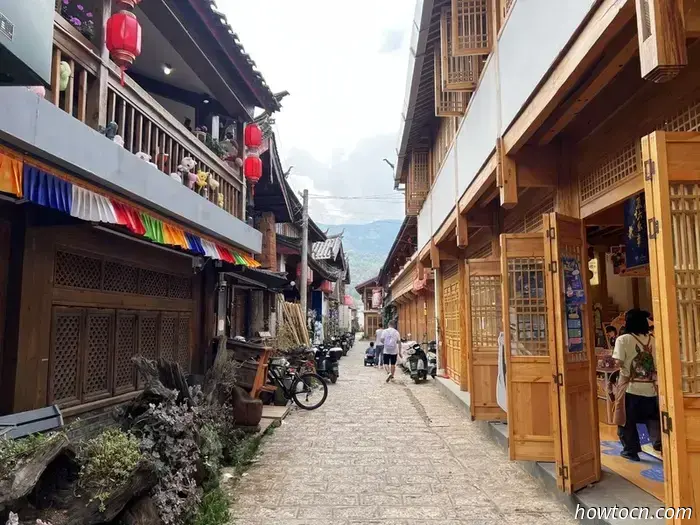
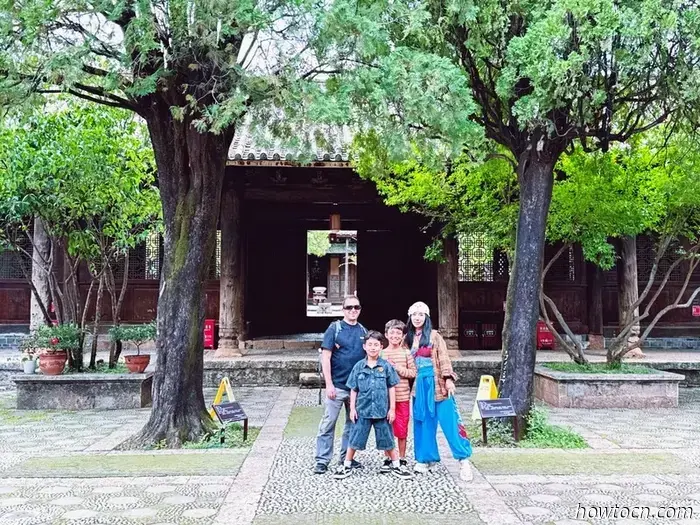
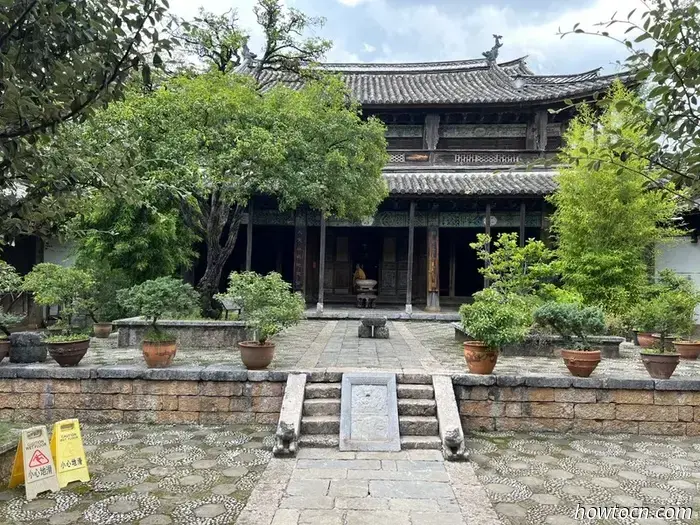
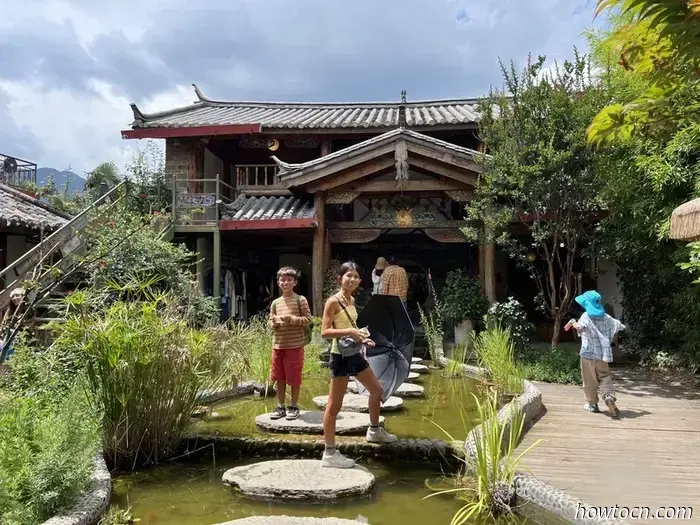
Just when we thought our visit to Baisha was over, we were drawn to walk down a street to the right. Certainly enough, we discovered another entrance gate leading to a much larger village area. This larger section boasted an ancient Buddhist temple complex, also paved with smooth river rocks and adorned with gnarled trees in planters. The buildings featured intricate murals dating back to the Ming and Qing dynasties. Some of the more upscale boutiques imitated this historic style, including one that had a pond with stepping stones leading to a showroom designed to resemble a temple.
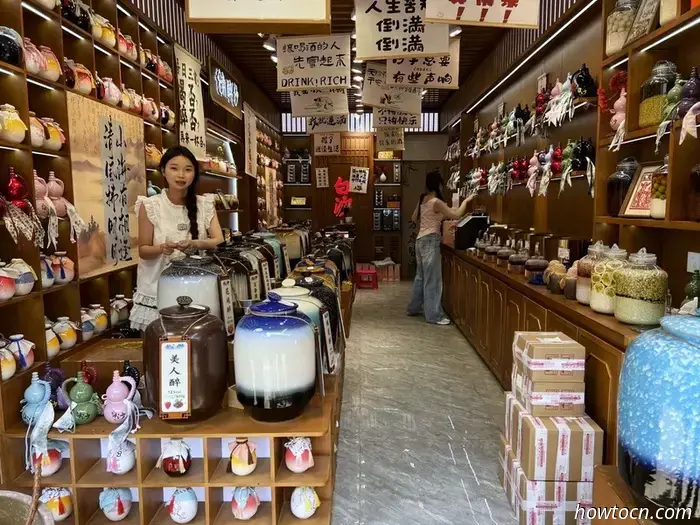
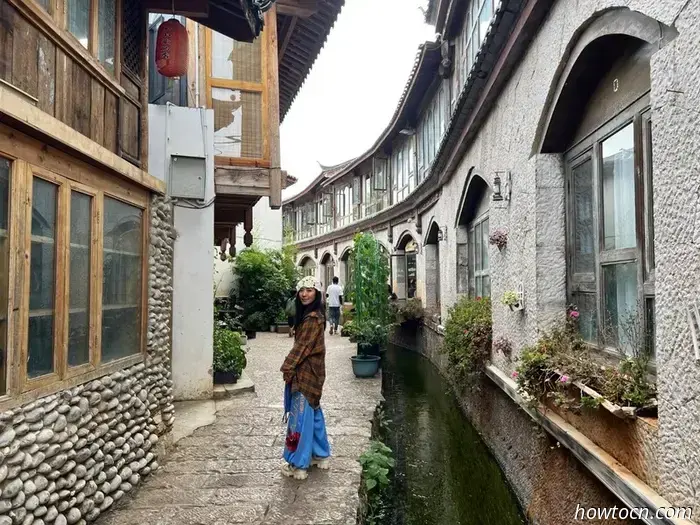
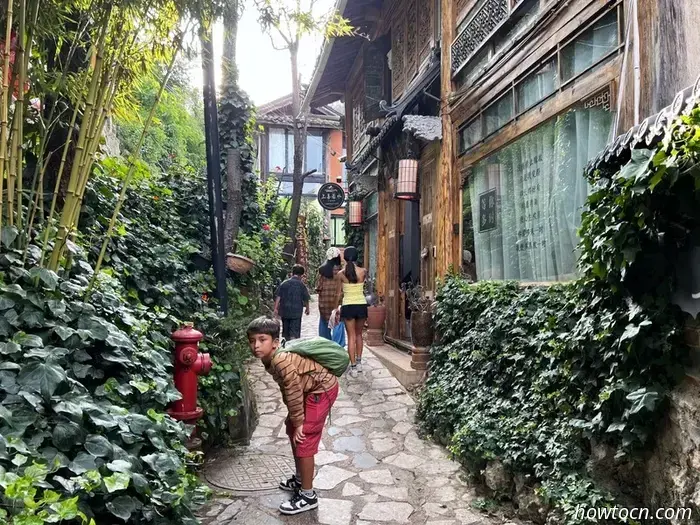
We were fortunate not to have overlooked this area of Baisha, as it included a food court and many specialized artisans. There were also narrow side streets mostly devoid of people where we could better appreciate the traditional architecture. These quiet streets were more likely to house authentic workshops for ceramics and woodworking. The shops and restaurants appeared to be thriving, catering to tourists on day trips from Lijiang. Each time we visit China, it seems to become better suited for domestic tourism, an industry that is rapidly growing alongside the per capita GDP. Lijiang is a prime example with its revitalized old town and various nearby attractions to keep visitors entertained all day.
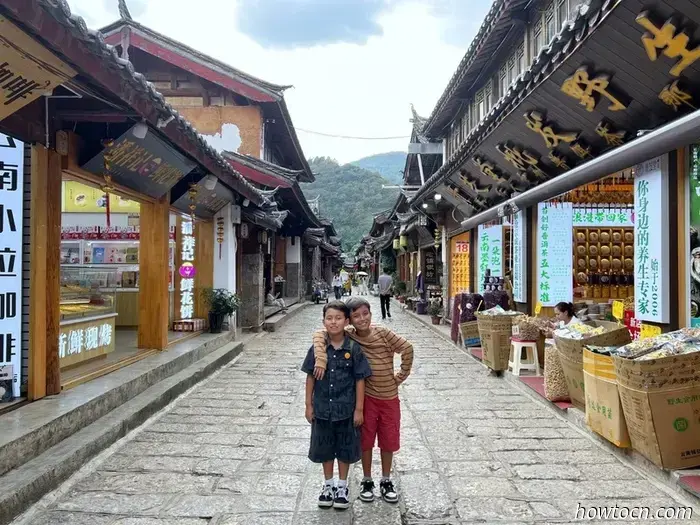
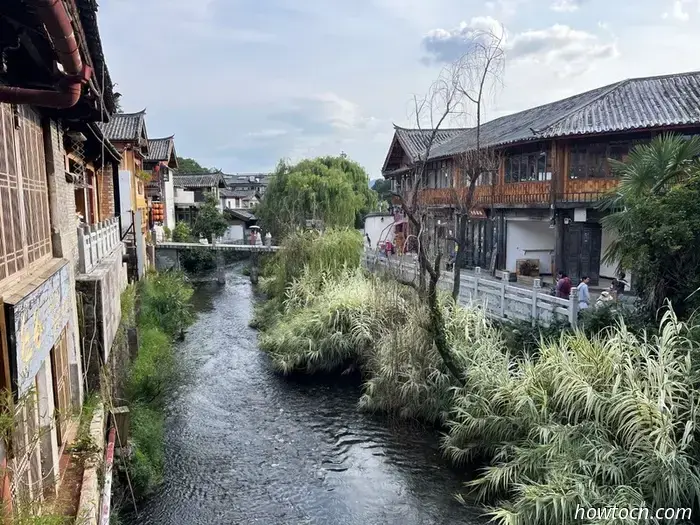
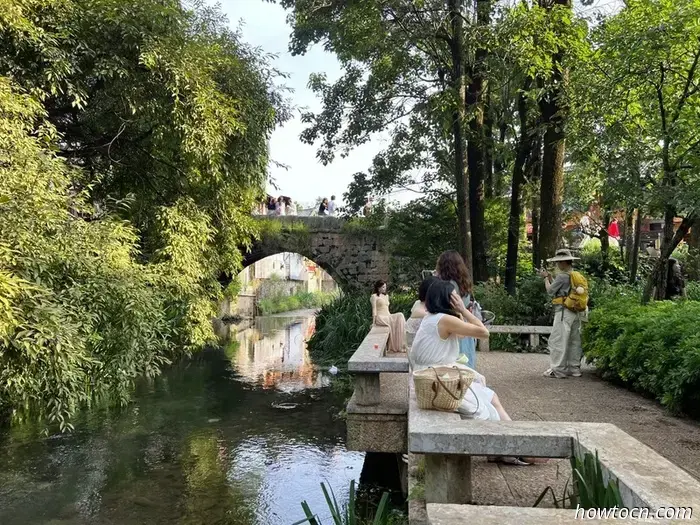
We returned to the rotary where the taxi had dropped us off, and Mei Ling spoke with a couple of local vendors. She learned that there was a shuttle bus to Shuhe, another Naxi village located between Baisha and Lijiang. This saved us the hassle of searching for another taxi to accommodate all five of us. Beyond being traditional and scenic, Shuhe is known for its leatherwork and charming waterways. The town became prosperous centuries ago due to its position along the trading route known as the Tea Horse Road. The bus took us to the outskirts of the pedestrianized old town, where we began exploring spacious town squares and wide flagstone streets. The buildings were low, and we could always sense the presence of the forested hills surrounding us.
It was fortunate that we visited Baisha first, as there was no doubt that Shuhe was a more appealing village. While still commercial along the main streets, the wooden storefronts seemed more authentic, and there were far fewer shops selling cheap souvenirs and trinkets. We wandered through the courtyard of a hotel designed like a traditional Naxi multi-family home. It featured a central mosaic similar to that in the Baisha cafe, surrounded by greenery. Traditional Chinese wooden lattices adorned the window frames,




Mei Ling had no trouble finding a taxi driver willing to take all five of us to a village north of Lijiang. The only stipulation was that poor Spenser had to crouch in the footwell to avoid being seen by an unmarked police vehicle. I worried that this might make him carsick, but he managed the ride without any issues. The driver preferred to take us to the nearest town, while I favored the farthest one, so we settled on Baisha, which was conveniently located in between. Baisha was once a significant economic center for the Naxi people before it fell into obscurity due to Lijiang's expansion. Nowadays, the town is a well-known tourist destination, showcasing Naxi history and crafts, although it is often challenging to distinguish between what is genuine and what has been created for tourists in China.