
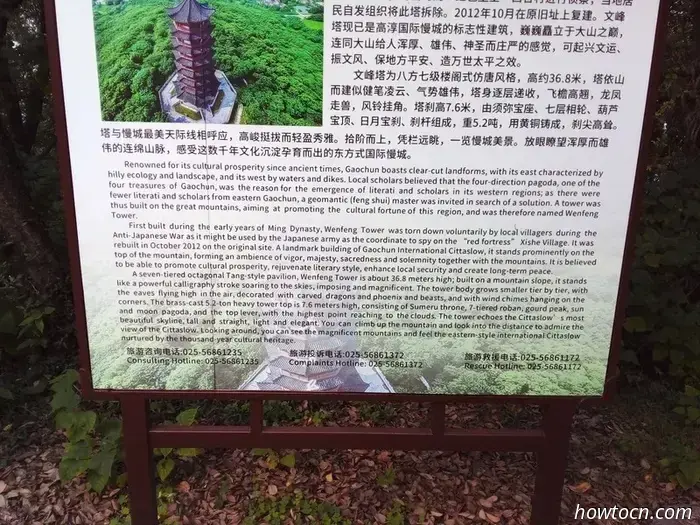
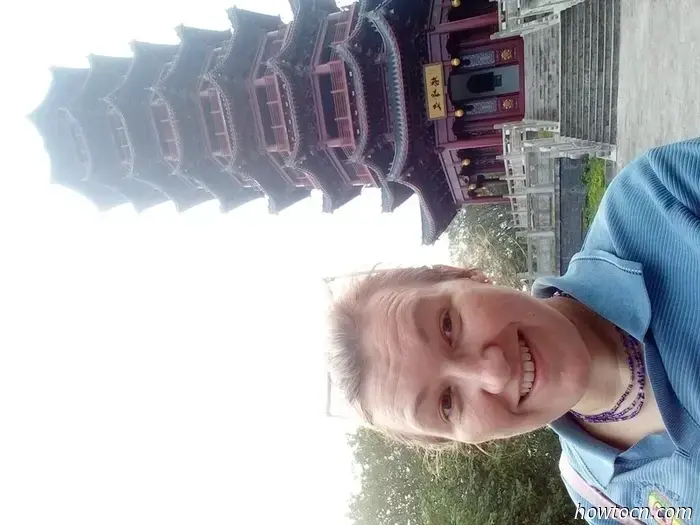
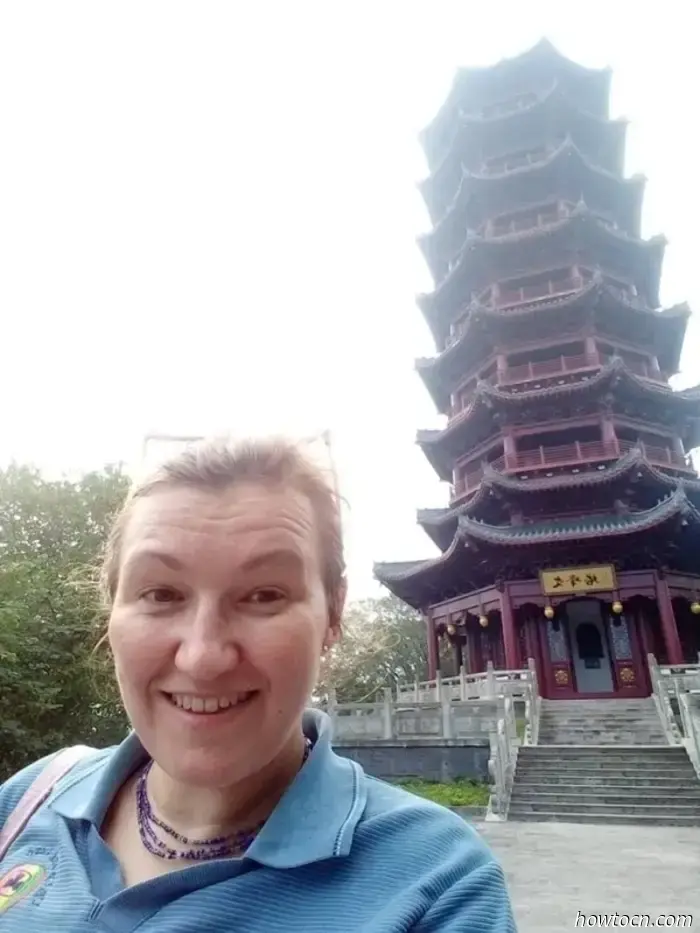
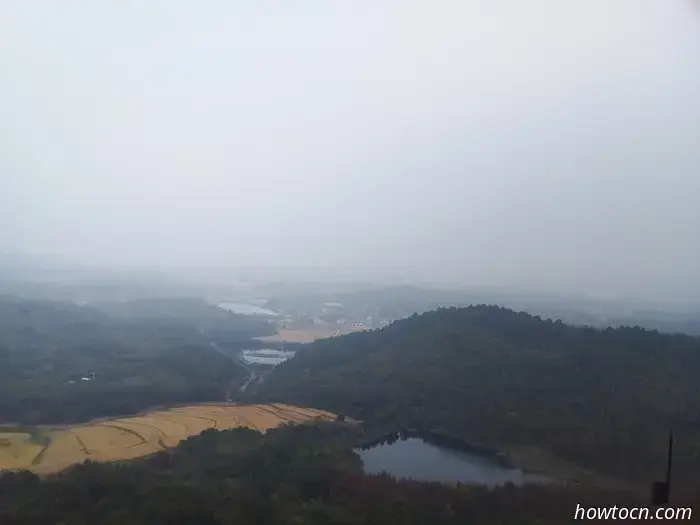
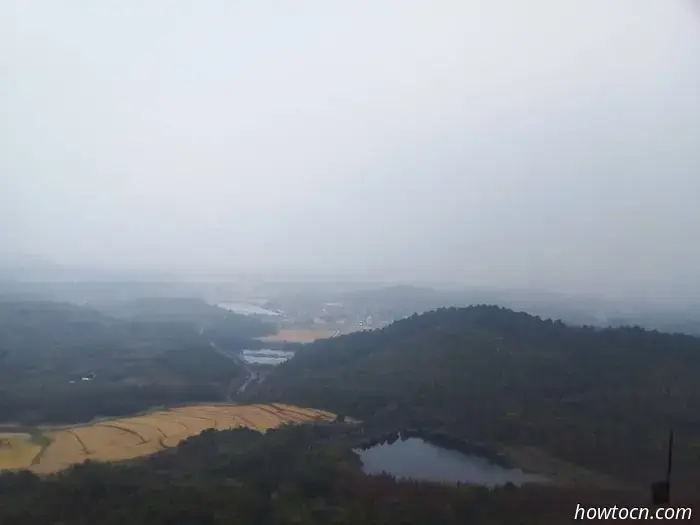
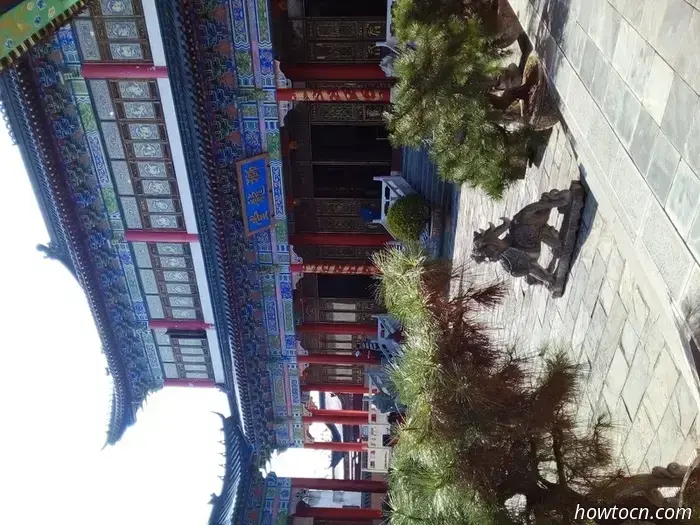
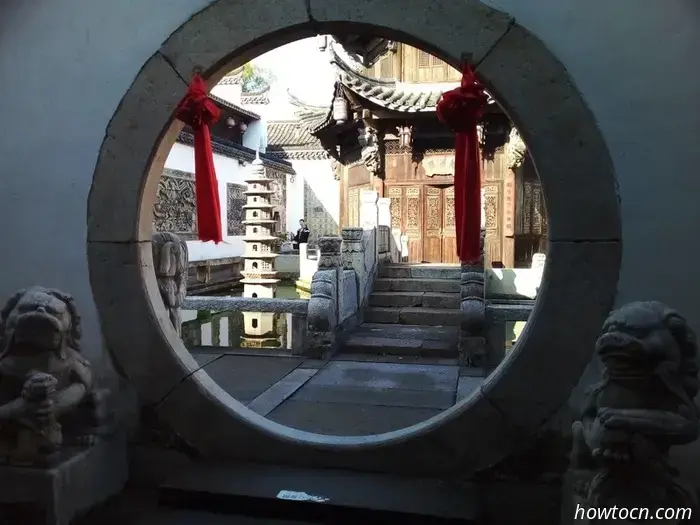
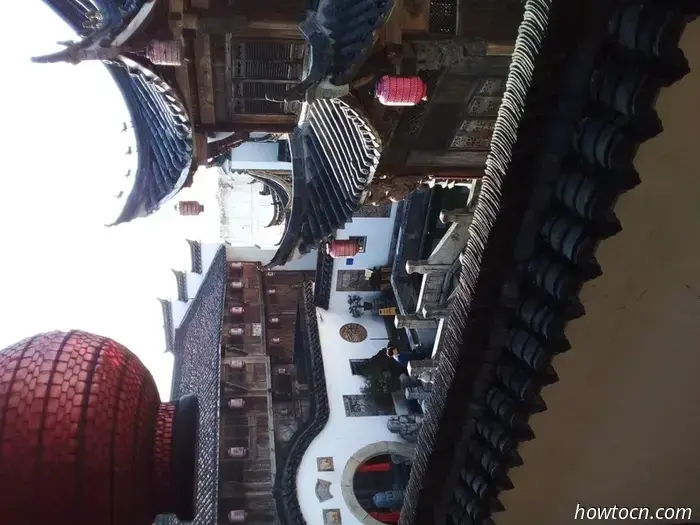
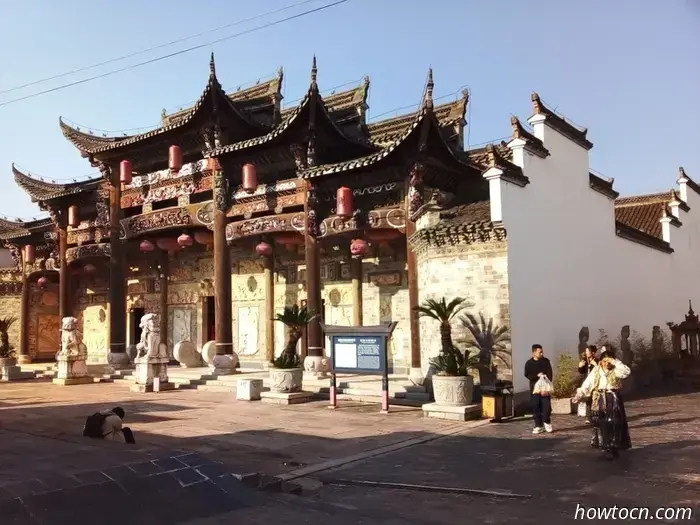
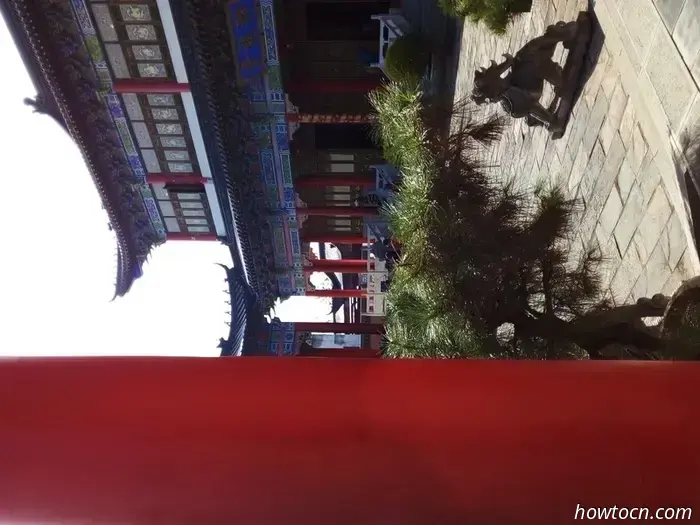
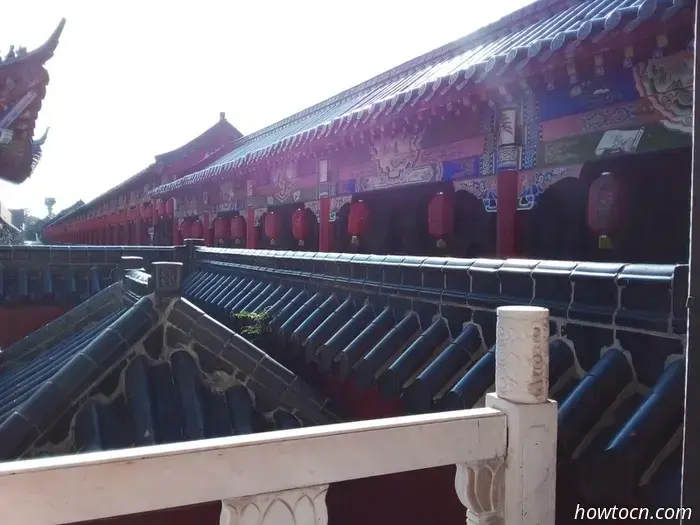
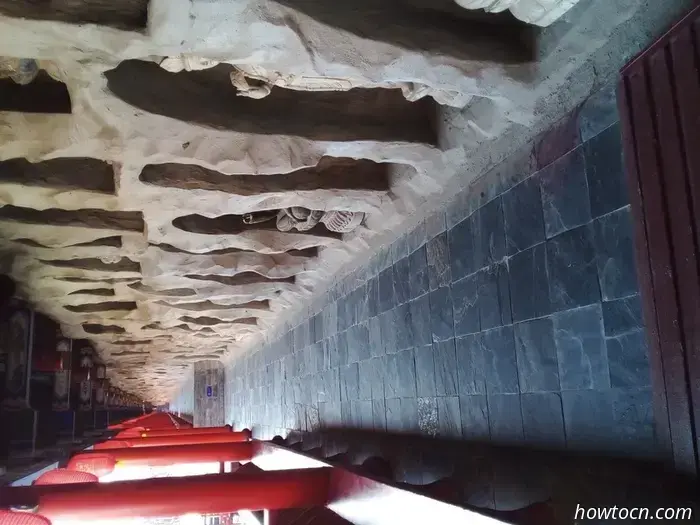
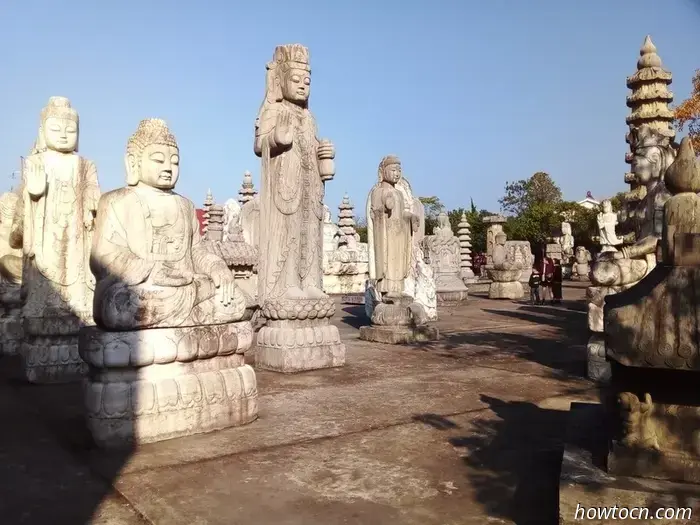
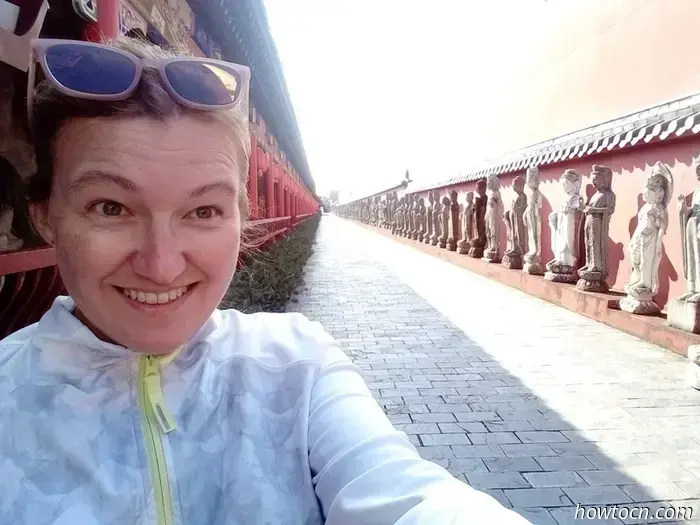
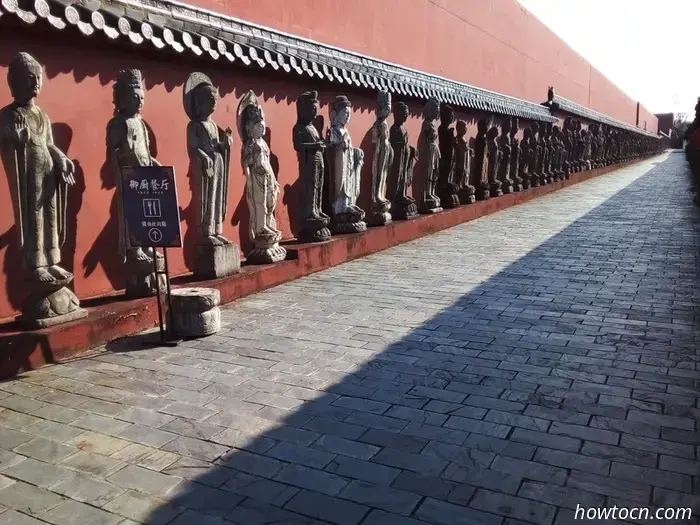
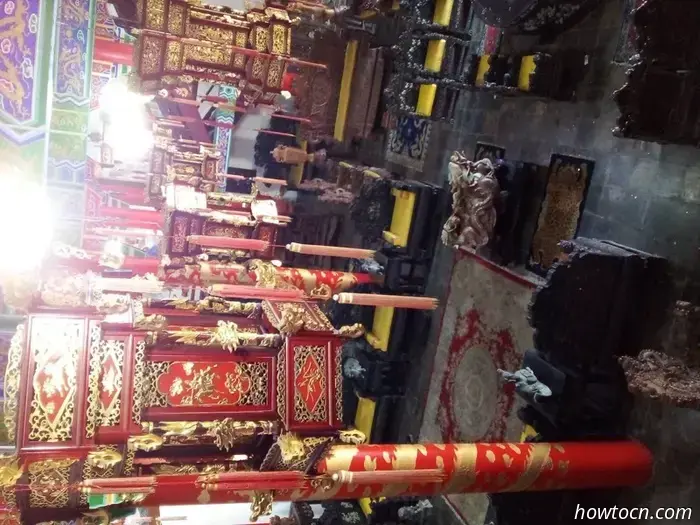
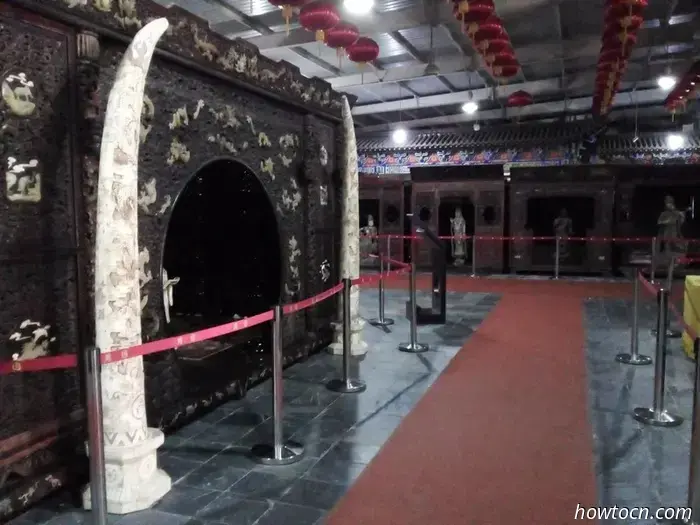
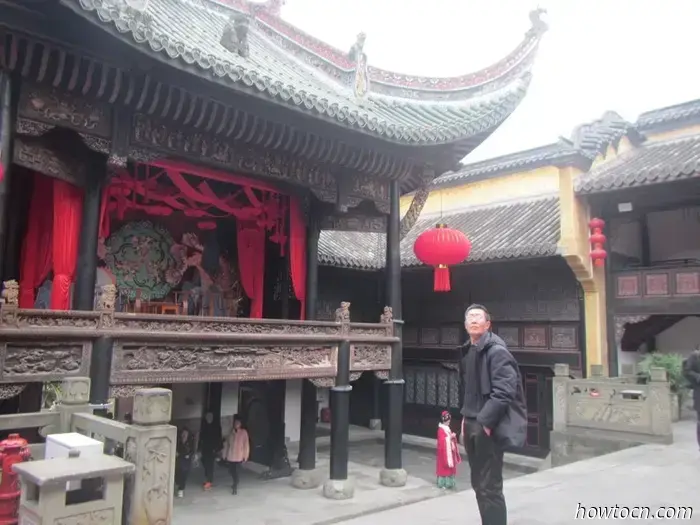
I'm still testing my knee, so I visited Zhou "garden" (which isn't really a garden) and the Wenfeng pagoda, the latter being impressive but challenging to climb. I've been feeling quite lazy and completely worn down by the authorities at Nanjing University of Finance and Economics. I'm doing my best to leave, but they keep undermining every attempt. Anyway, here are some photos from the pagoda, located 12 km and three buses away from my campus: This is the view from the top, indicating that I live in a pretty remote area. I also went to Zhou garden in Lishui, the town where I catch the train to other cities (you'll notice I don't board the train in Nanjing, right? That's because I don’t actually live in Nanjing!). It’s not exactly a garden, but rather an antique house that was moved here from another province. The rest of the site was filled with Buddha sculptures, which were all quite overwhelming and impressive. I’m not sure where these sculptures came from, but it’s an impressive collection. There's also a vast assortment of antique wooden furniture.
I was initially planning to stay in Nanjing and gain some weight, but I figured I should take advantage of my five days off. Since no one would help me transport my belongings to my new school until after the holiday, I decided to book a train to Chongqing. Then, in a stroke of brilliance, I thought I should probably arrange my return train to Nanjing. The management wants to send my things on February 5, but can you believe every train is fully booked for that day? So, I ended up booking a train for February 7, arriving in Nanjing on February 8. If they have an issue with it, they can just deal with it, I suppose. This meant I had to hurry and pack everything since I had no idea what the cleaning crew would do on February 5. I informed my boss that the bags were packed in my room, except for some laundry I did on the day I left (another mistake). I still haven't heard back from her about that.
I recently had the amazing chance to visit the Great Mosque in Xi'an, China. It was genuinely an unforgettable cultural experience. Situated in the vibrant Muslim Quarter of Xi'an's downtown area, this mosque is among the oldest and largest in the country.

I was very let down by my location once more this semester. It took me 2.5 hours to reach the train station on the teacher bus and then 3 hours to return from the train station on the light rail. Not to mention the 1 km walk back to my apartment from the train station. It's just as bad as it was last semester, if not worse, because there are no longer any trees or stray cats. It's simply a vast dusty campus on flat ground, with a lot of wind and currently, the sun is quite uncomfortably hot.
I recently had the amazing chance to visit the Great Mosque in Xi'an, China. It was genuinely an unforgettable cultural experience. Situated in the vibrant Muslim Quarter of Xi'an's downtown area, this mosque is among the oldest and largest in the country.
-Glynns-travel-blog.jpg)
Historic town and caverns.
23.11.2024 - 24.11.2024 15 °C
I'm still trying out my knee, so I visited Zhou "garden" (which isn't really a garden) and Wenfeng pagoda. It was impressive but tough for me to climb.