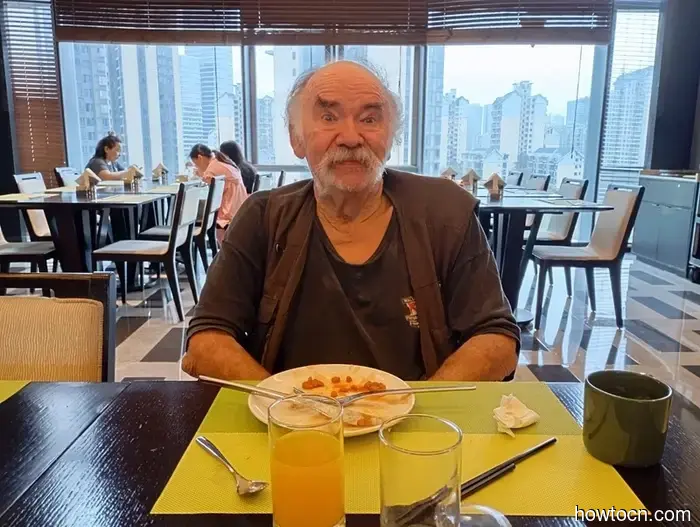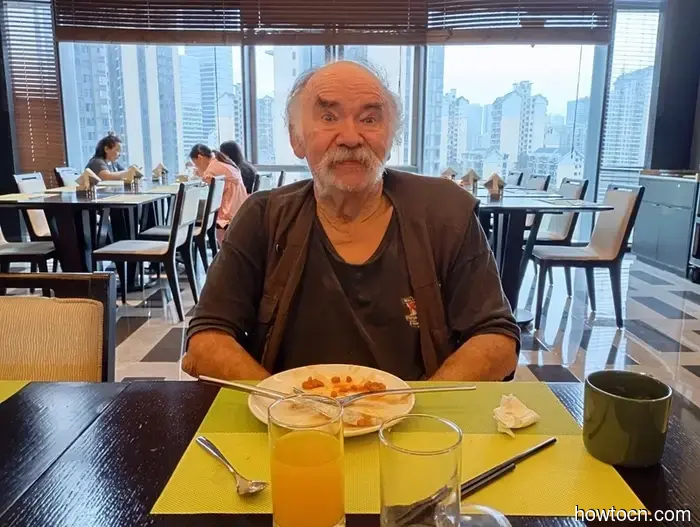
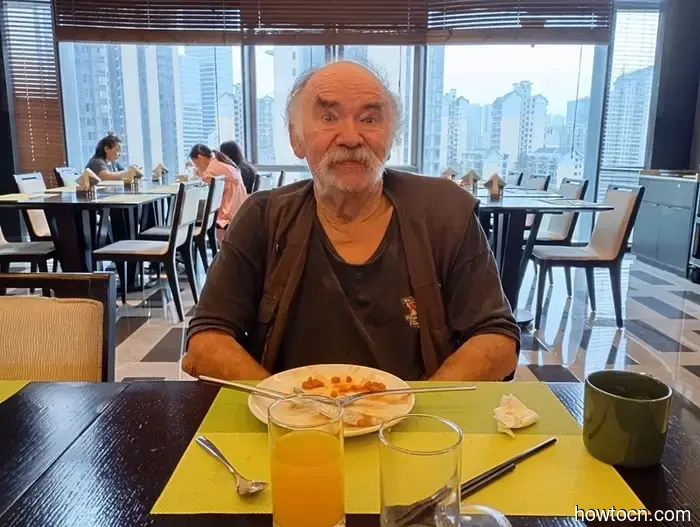
I really enjoy this place. Even though we had just arrived in Zhuhai, we were already preparing to leave. Our stay was only for one night since we were testing the place to see if we liked it. The timing was also due to the approaching Easter holiday; extending our stay would mean traveling back to Hong Kong during a public holiday, which would likely be very crowded.
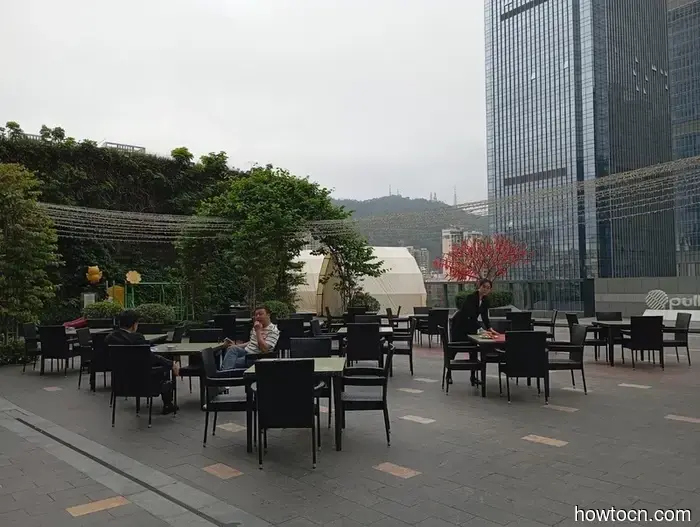
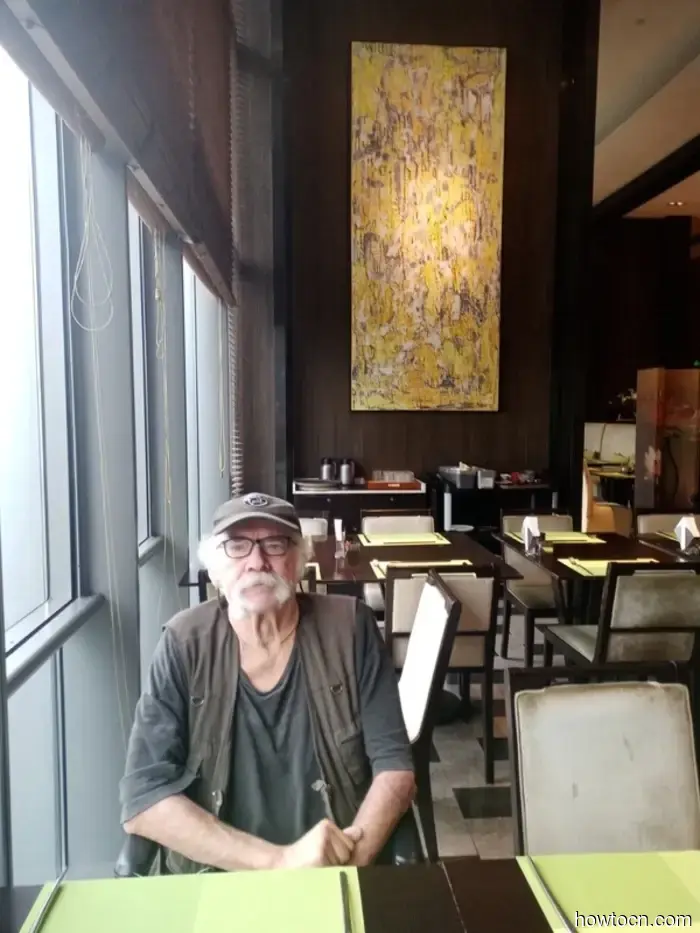
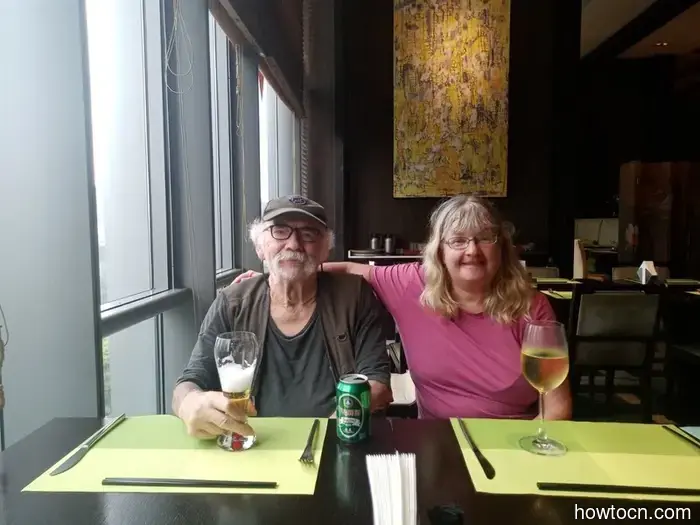
We started our day with breakfast on the fifth floor. The dining area had both indoor and outdoor seating, and it was entirely self-service and not very busy. There were stations for eggs and noodles, several hot dishes, cereals, various cold dishes, as well as teas, coffees, and juices. The food was tasty, and the service was friendly, which made us quite pleased.
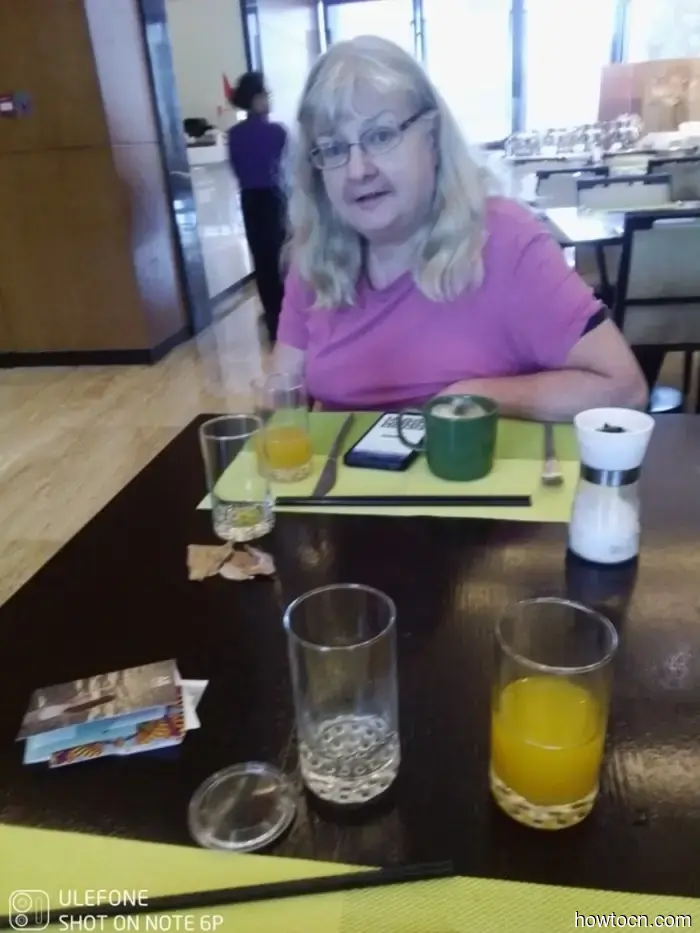
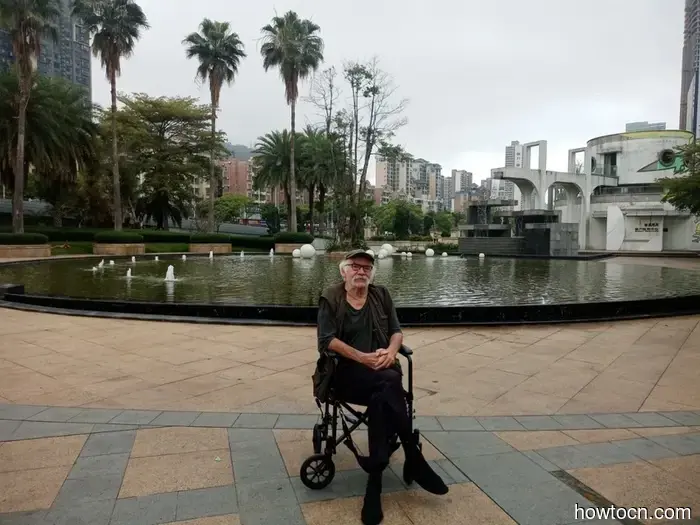
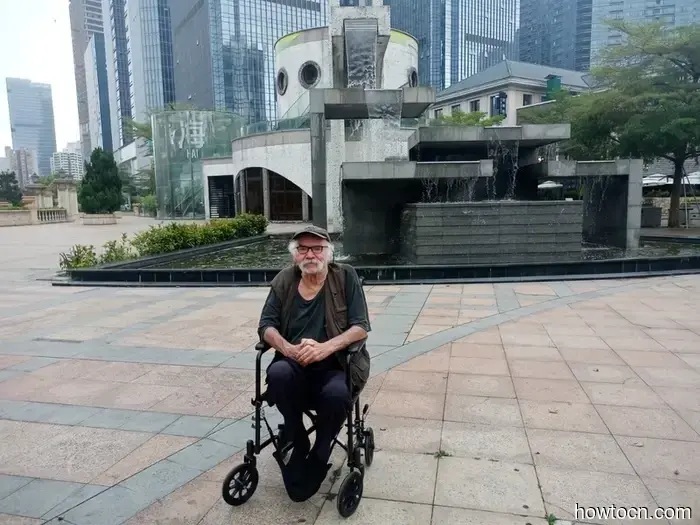
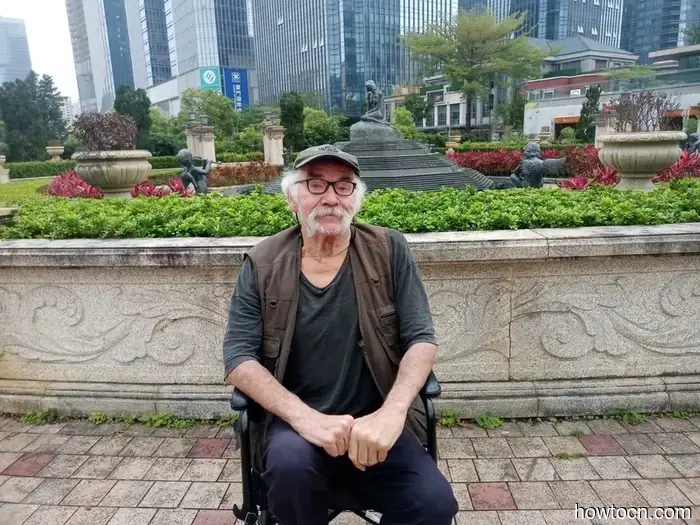
At breakfast, I took a photo of Peter, and he wanted to photograph me as well. He takes a long time to snap pictures and often complains that I don’t sit still long enough for him. Based on the results, he might have a point.
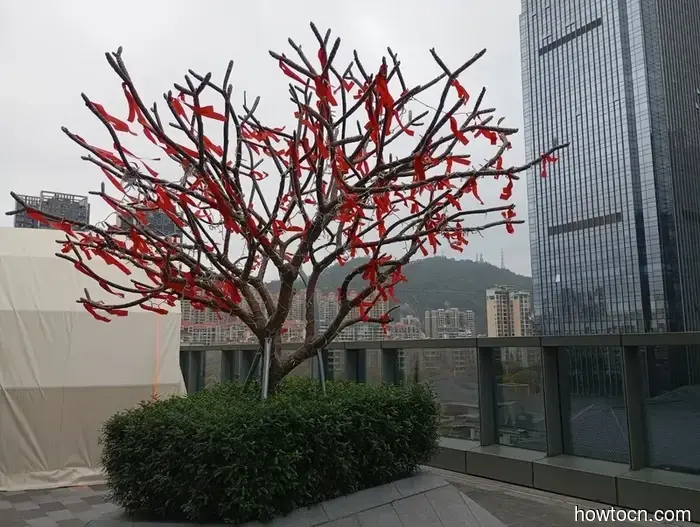
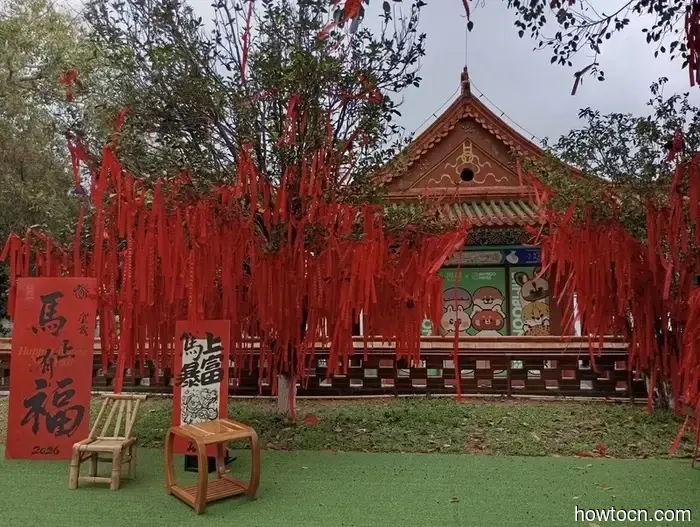
Although we had breakfast inside, I checked out the outdoor area too. There was a charming little wedding chapel, a lucky wishing tree, and a play area for children.
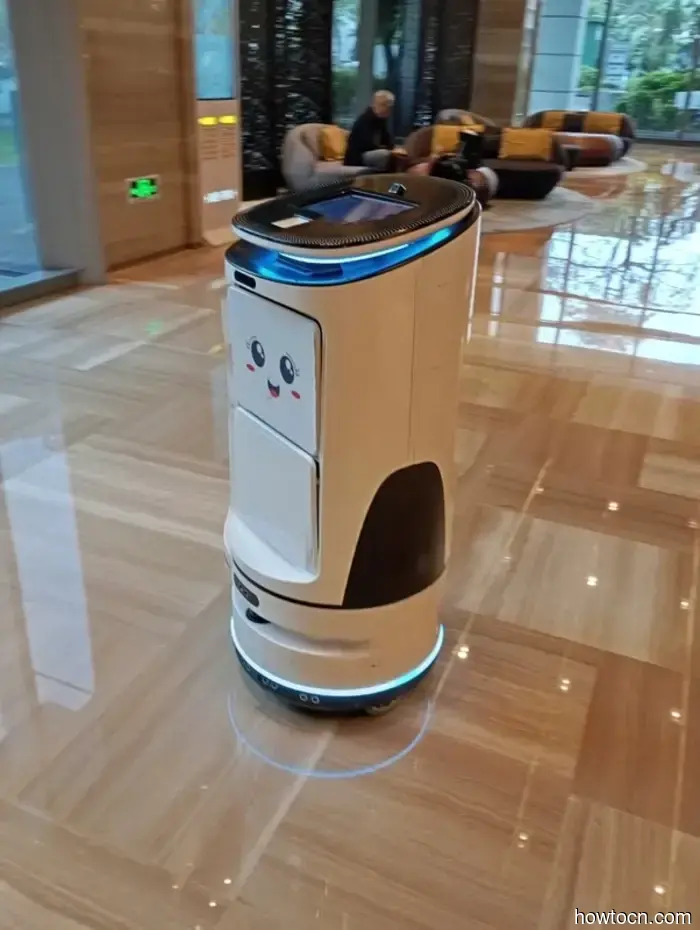
After breakfast, I tried to take Peter back to our room using the lift. I pressed the button for the twentieth floor, and as the lift ascended, the doors opened unexpectedly. I attempted to lead Peter out but was blocked by a robot trying to get in. We were both quite surprised since I had seen this in a video before—many Chinese hotels use robots to deliver room service. This robot had just brought someone their breakfast. I finally managed to navigate around the robot and exit the lift. However, I realized we were only on the nineteenth floor, so I had to get back in, but the robot was blocking the way. After some gentle pushing with Peter's wheelchair, I managed to create enough space to re-enter the lift. It felt rather surreal. The robot was quite endearing with its big smiling face, and I felt compelled to talk to it as we headed to our actual floor. It was altogether strange! I was too caught off guard to take a photo at that moment, but I later captured an image of the robot in the lobby during its next delivery.
We had a complimentary late check-out until 4 PM, allowing me ample time to explore on my own before taking Peter out later. While there is a lot to see in Zhuhai, I decided to focus on places within walking distance for this trip. As it turned out, our hotel was only about a five-minute walk from one of Zhuhai's main attractions—the New Yuanming Palace Gardens.
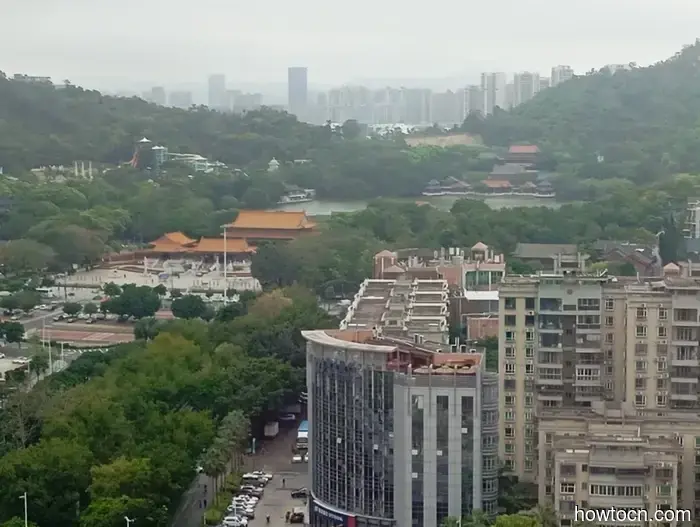
I could actually see the gardens from our hotel, but I also checked A-maps and Google Maps for directions. A-maps proved to be quite accurate, while Google took me on an unnecessarily complicated path. Despite crossing a busy road to reach the gardens, there was a pedestrian signal to help.
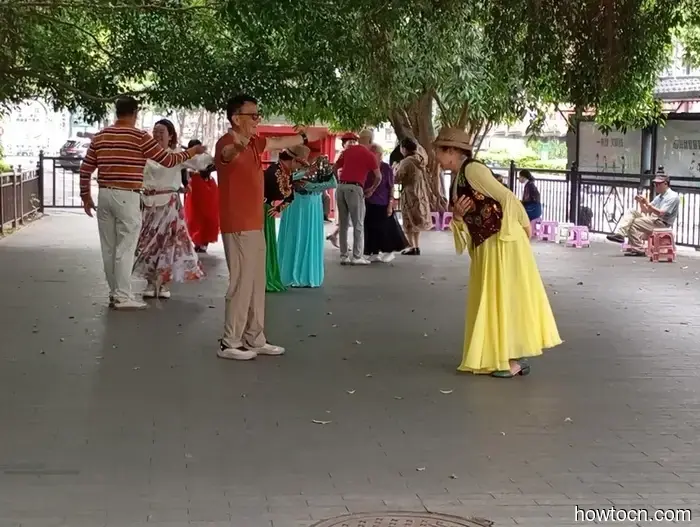
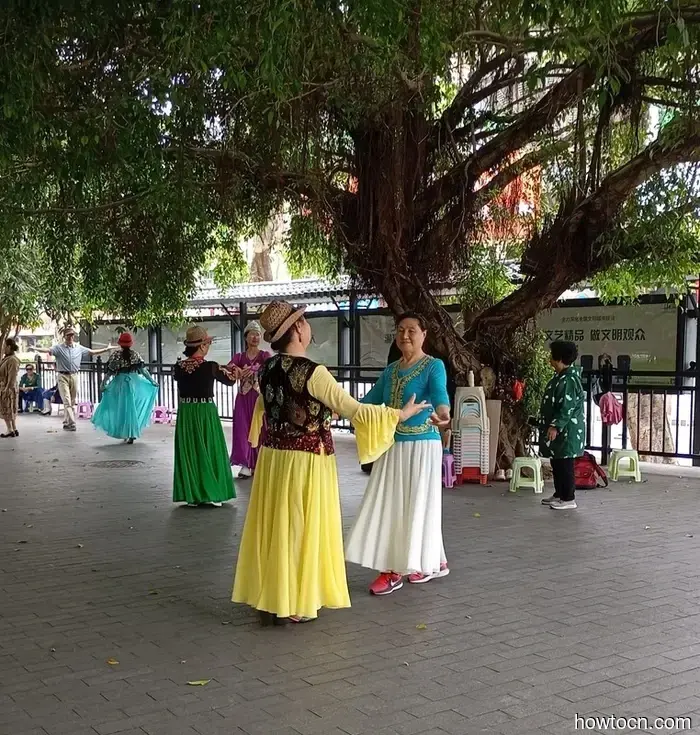
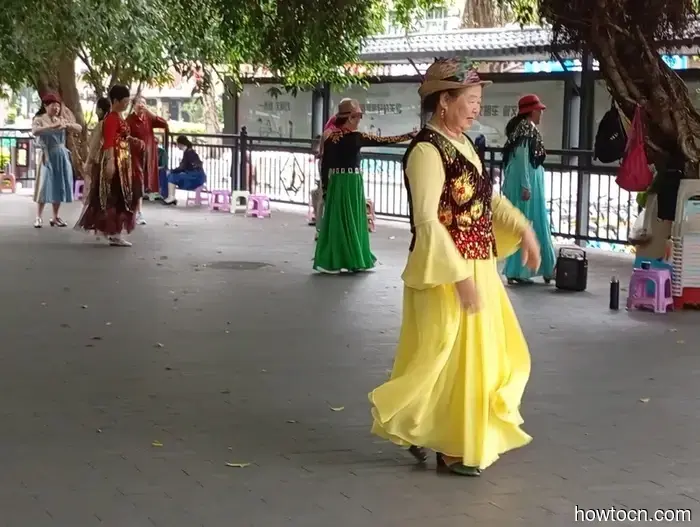
Before entering the gardens, I paused to watch a group of elderly Chinese individuals dancing at the entrance. They were a delight to observe, all dressed elegantly and clearly having a great time together as they radiated joy. This sight alone made the visit worthwhile.
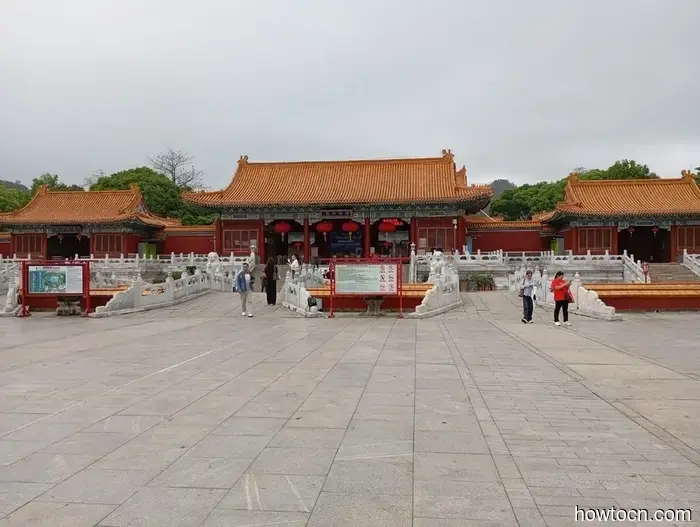
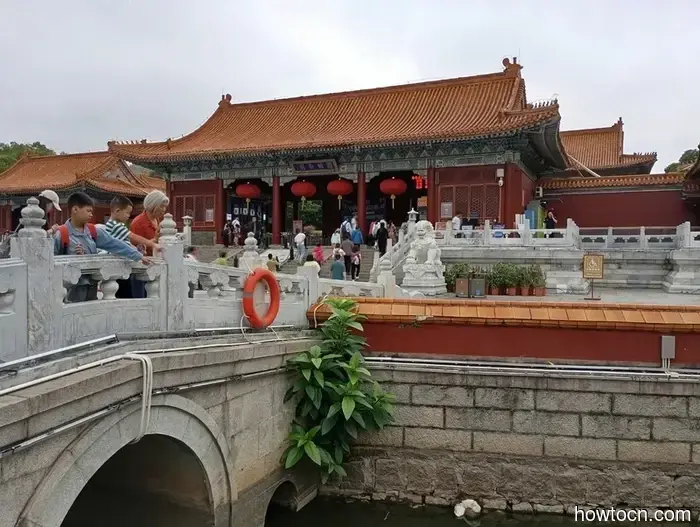
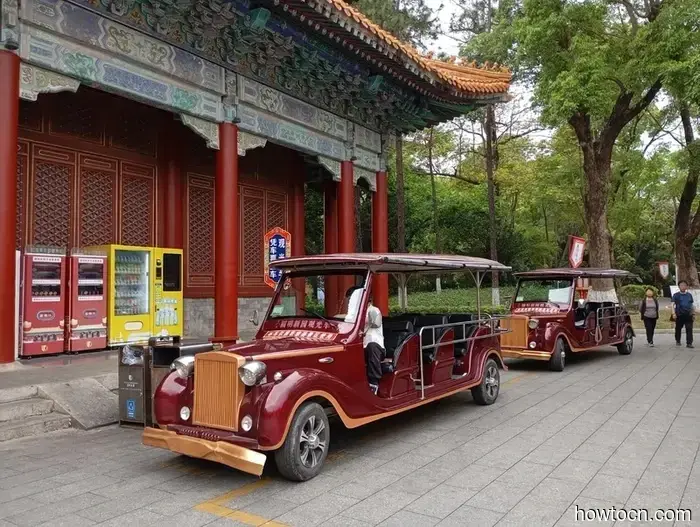
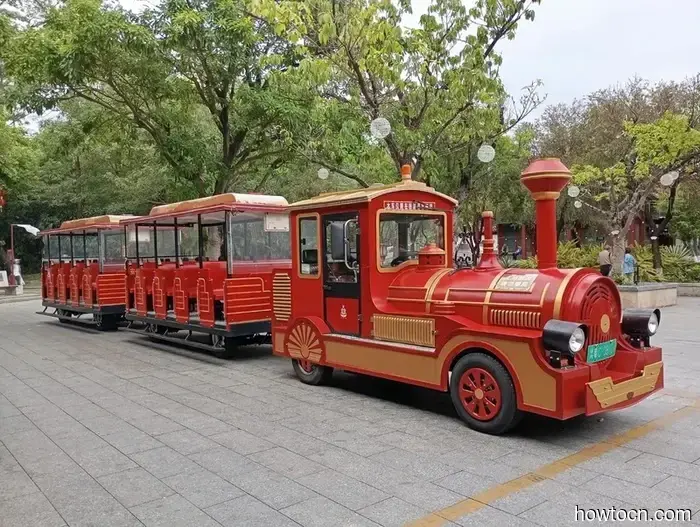
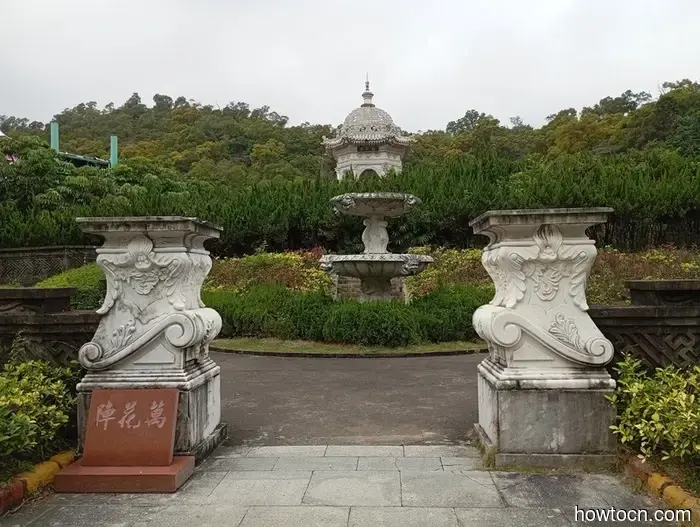
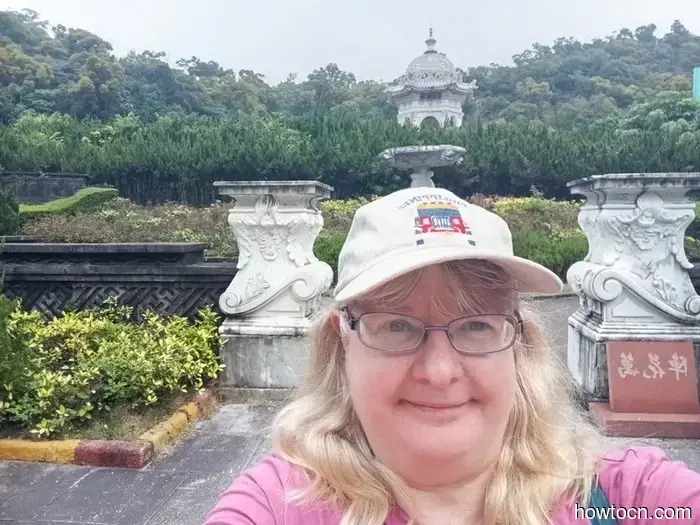
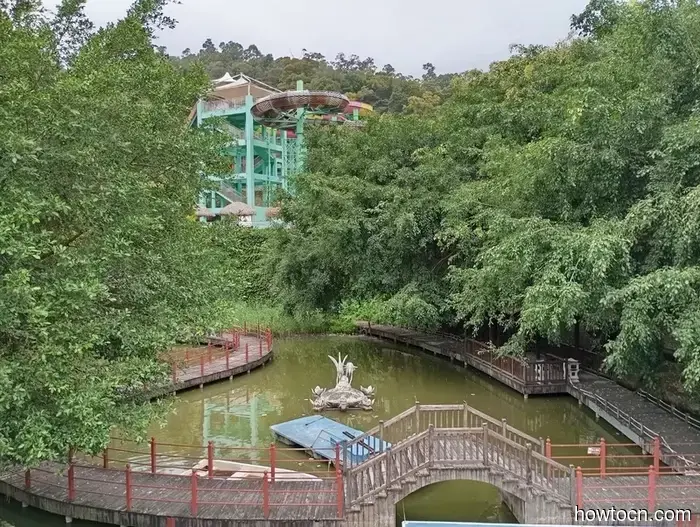
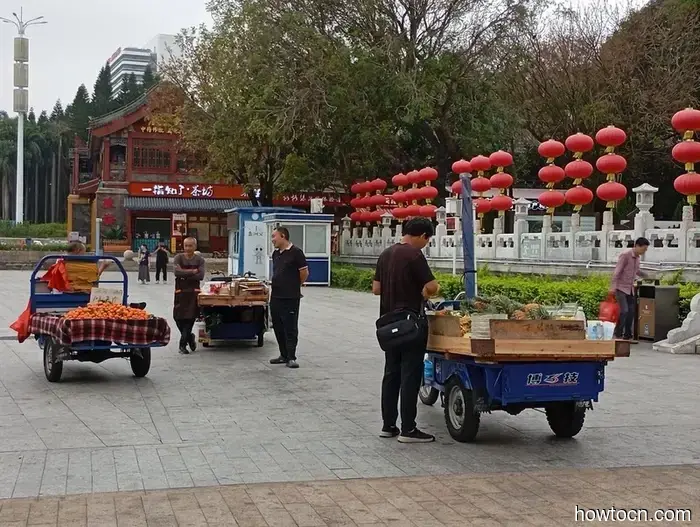
I then crossed a bridge and entered the gardens through the main entrance, which was free except for special events. During my visit, there was a section for pet animals requiring a paid admission; however, everything else was complimentary, and there was plenty to explore within the free areas. I spent a long time there and was unable to see it all.
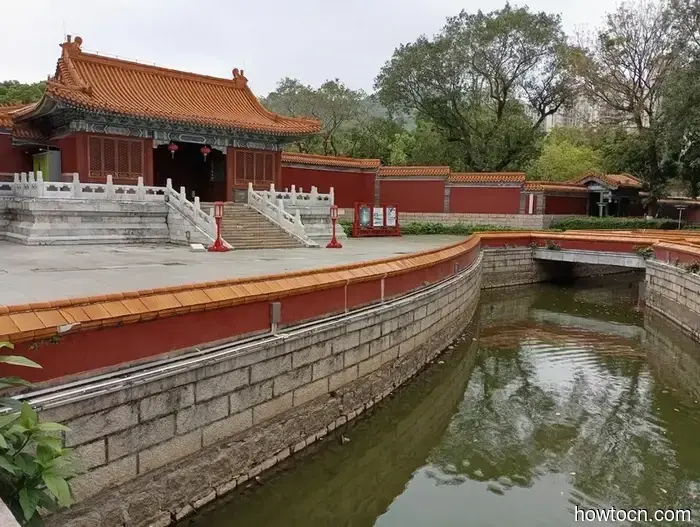
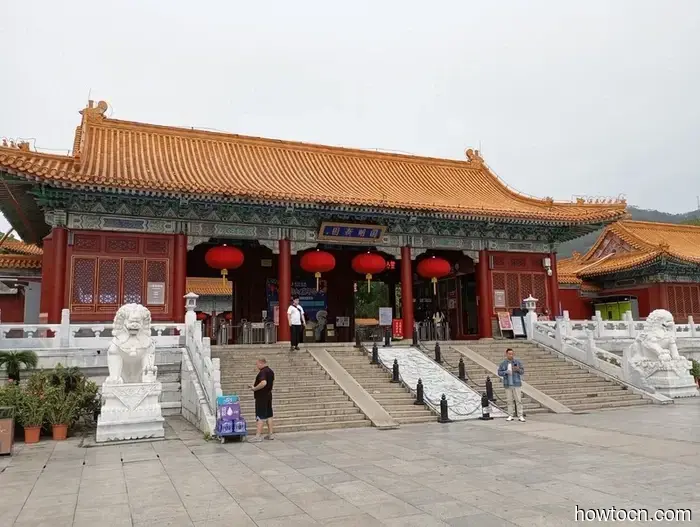
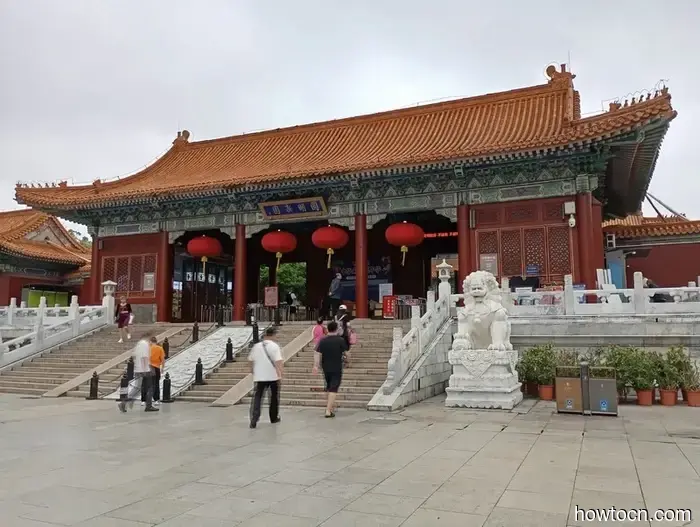
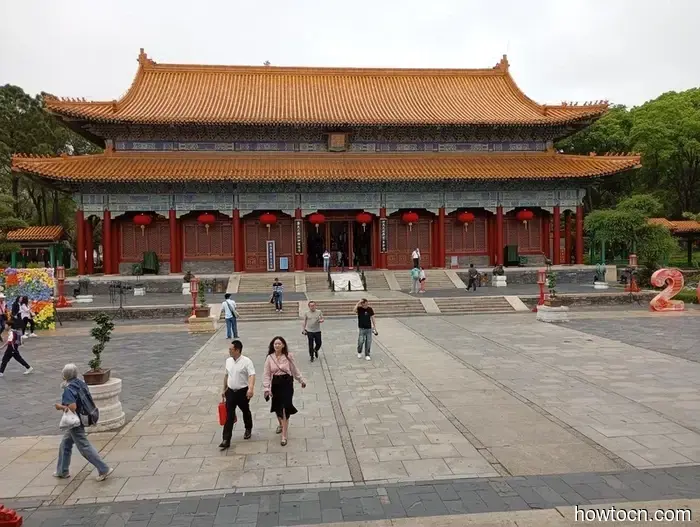
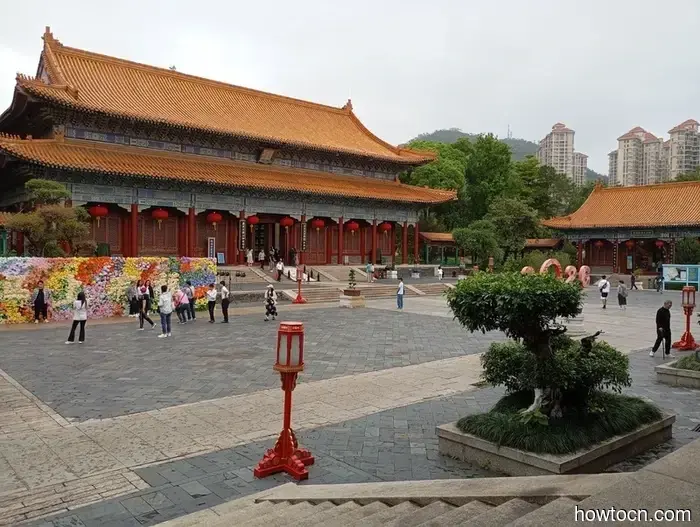
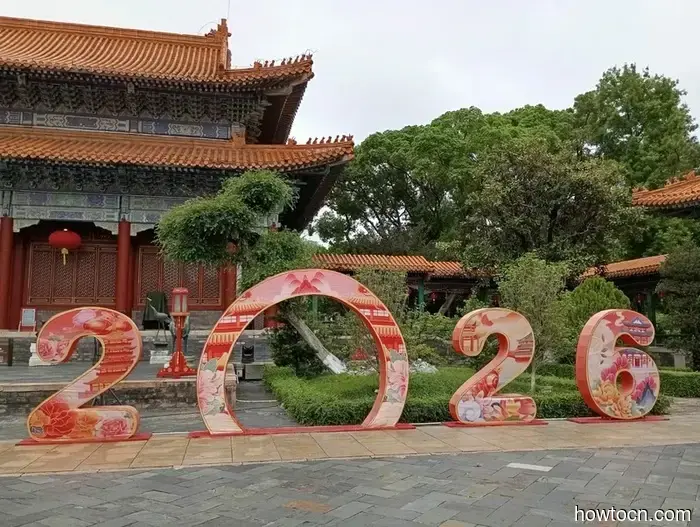
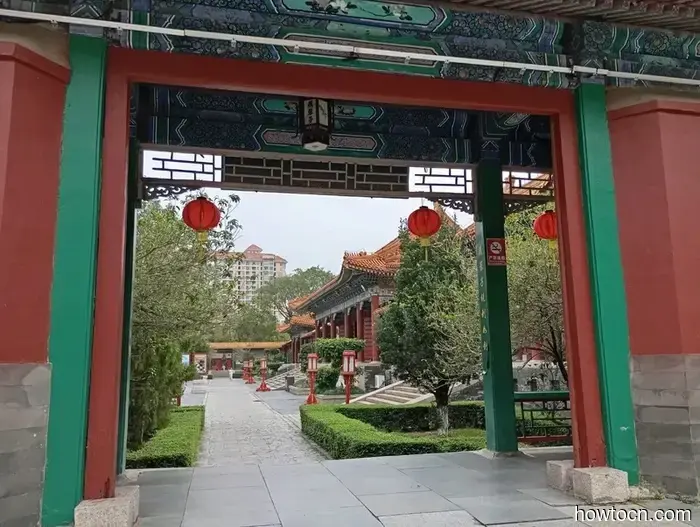
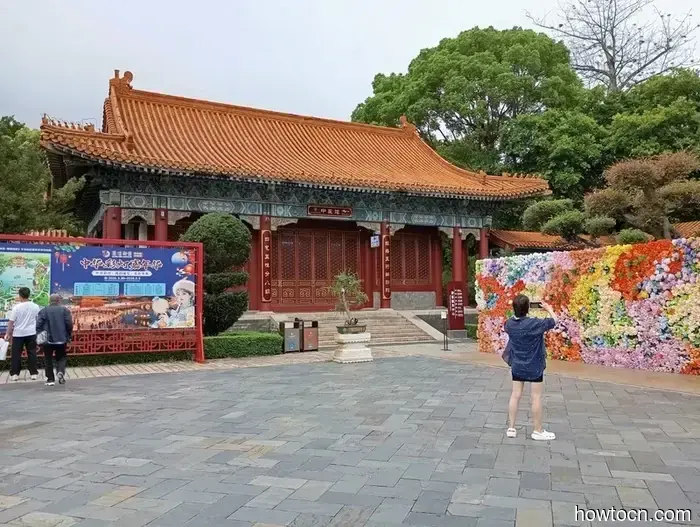
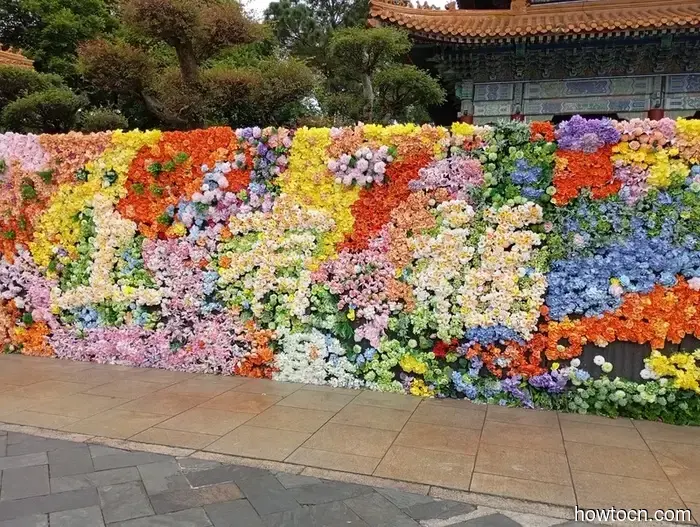
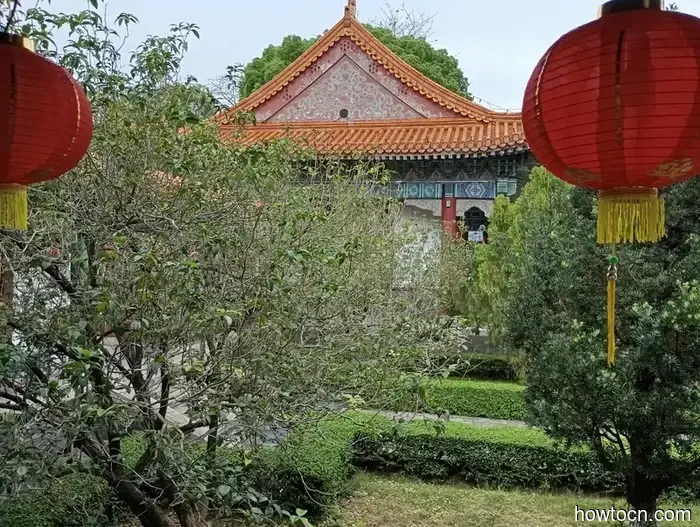
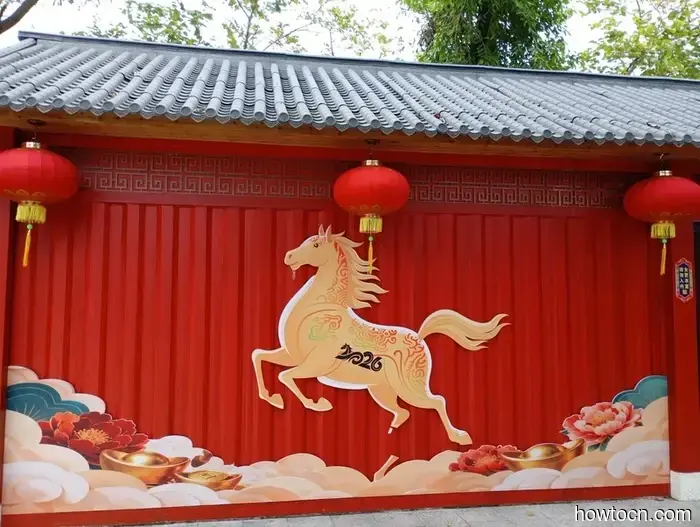
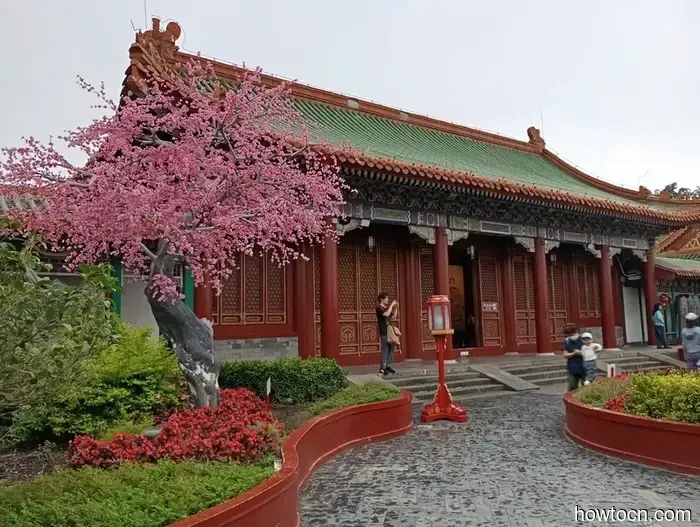
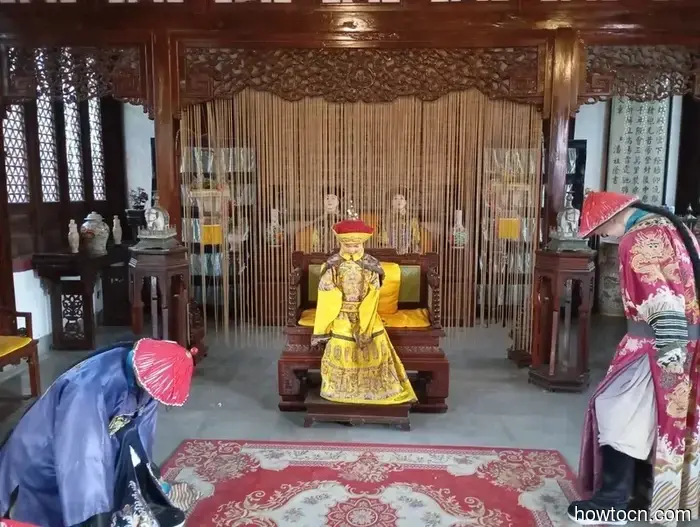
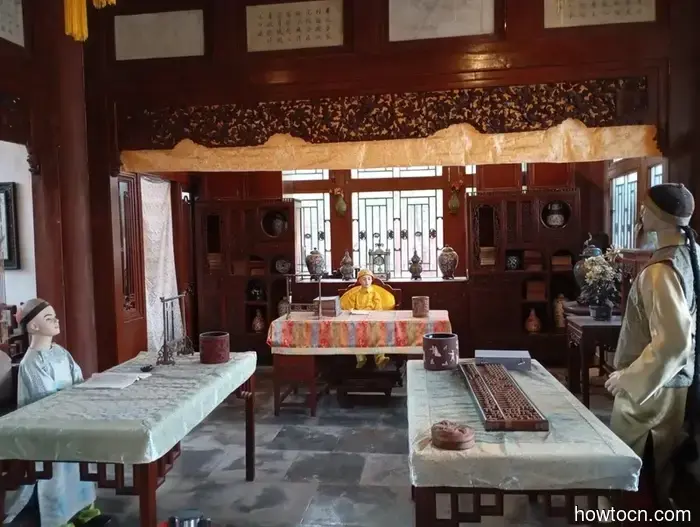
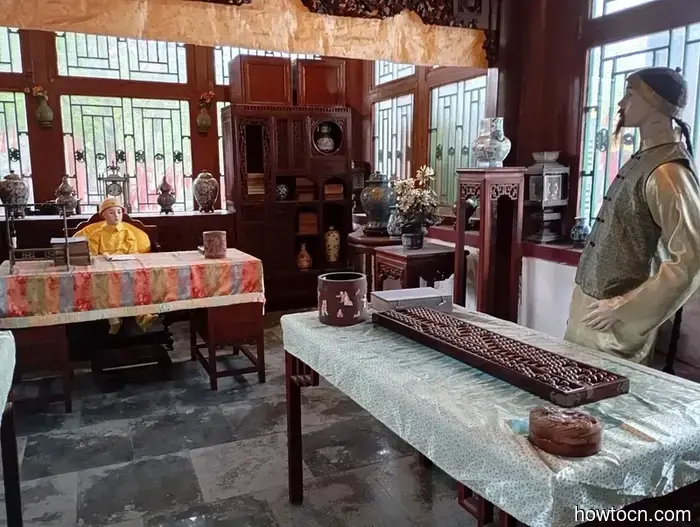
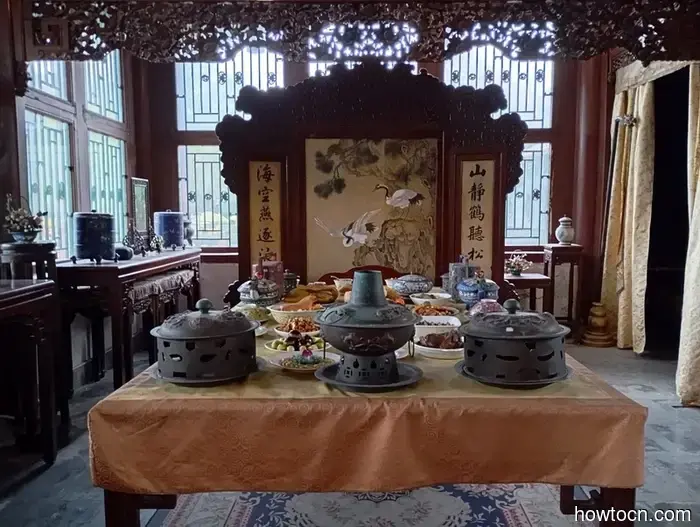
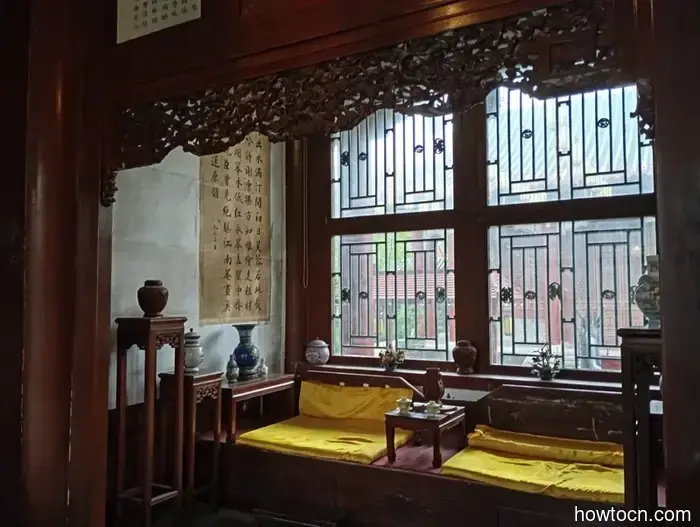
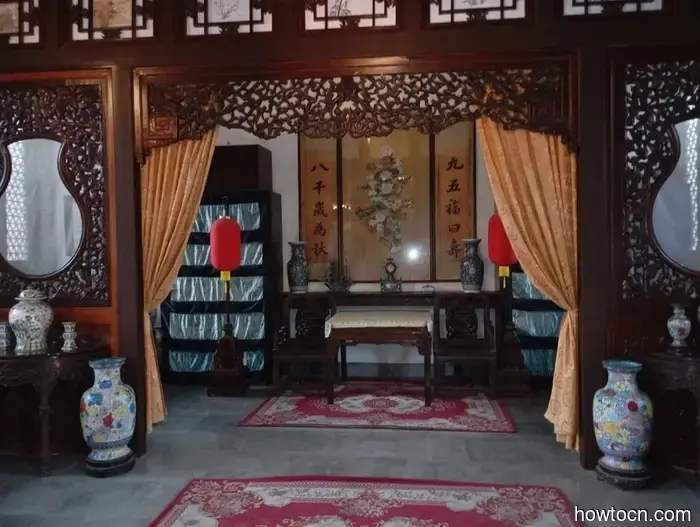
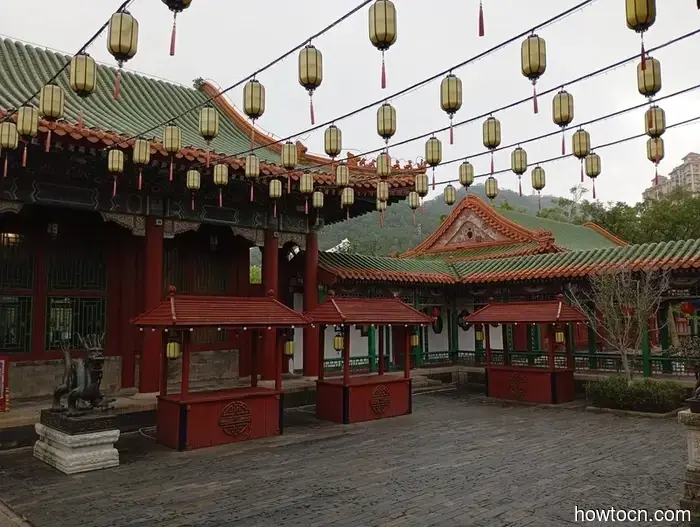
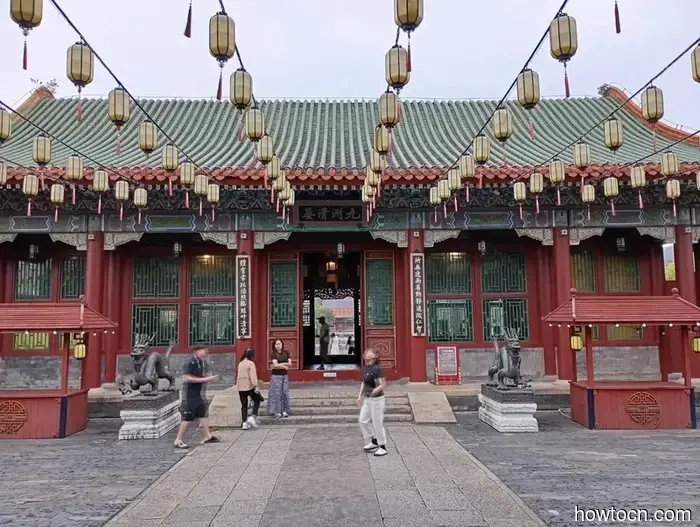
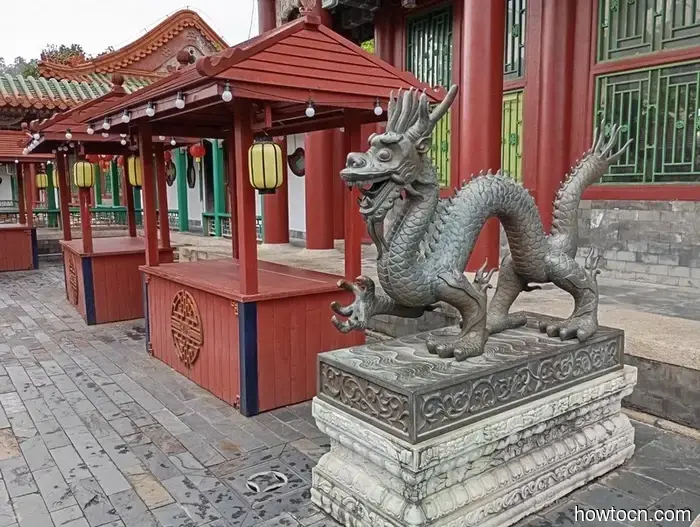
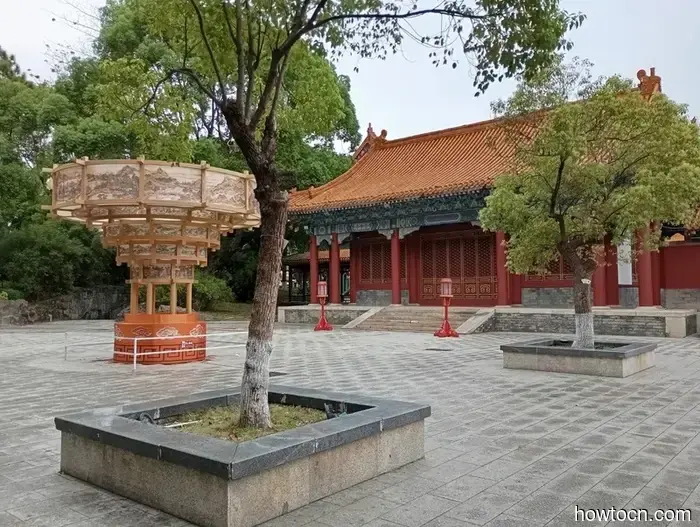
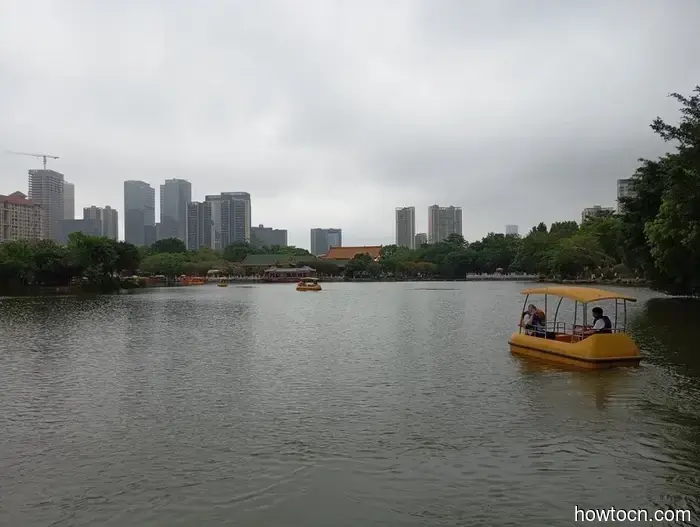
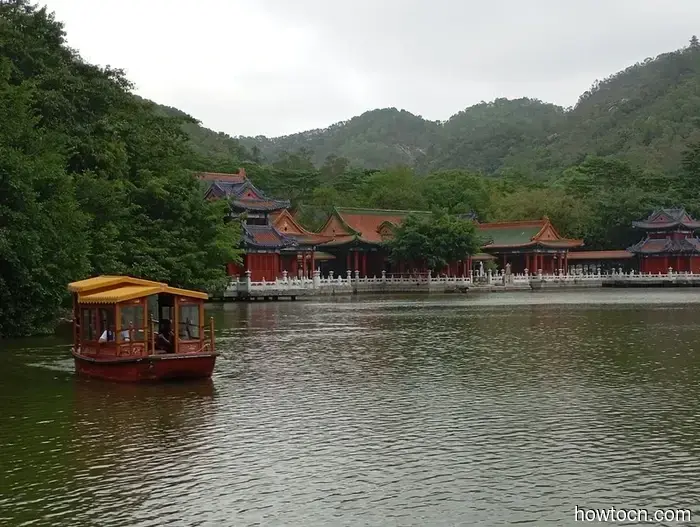
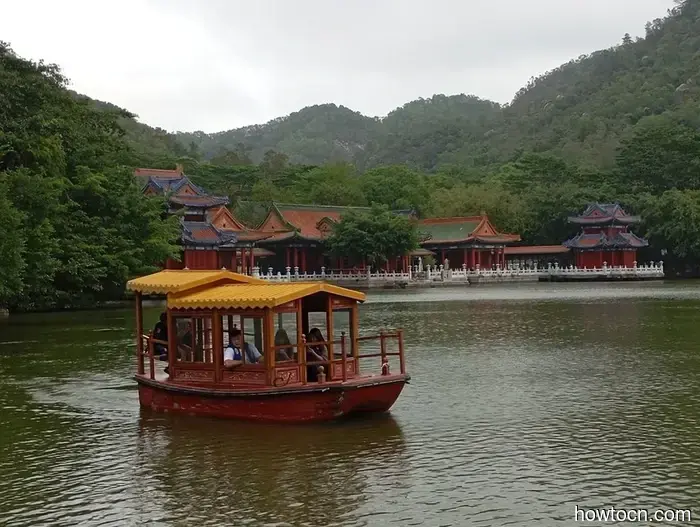
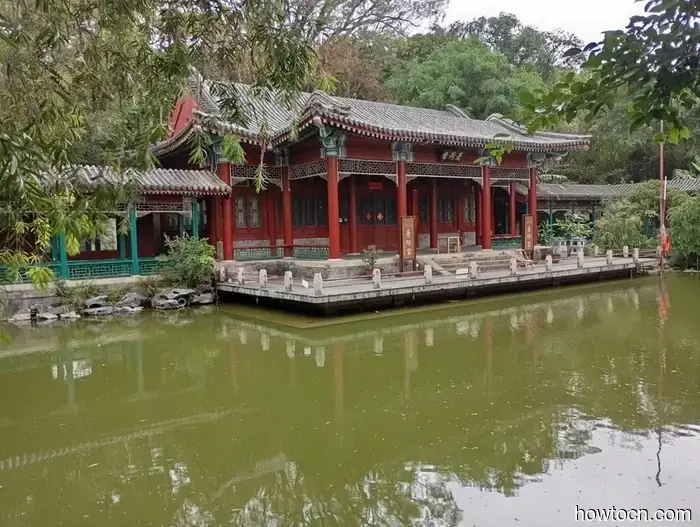
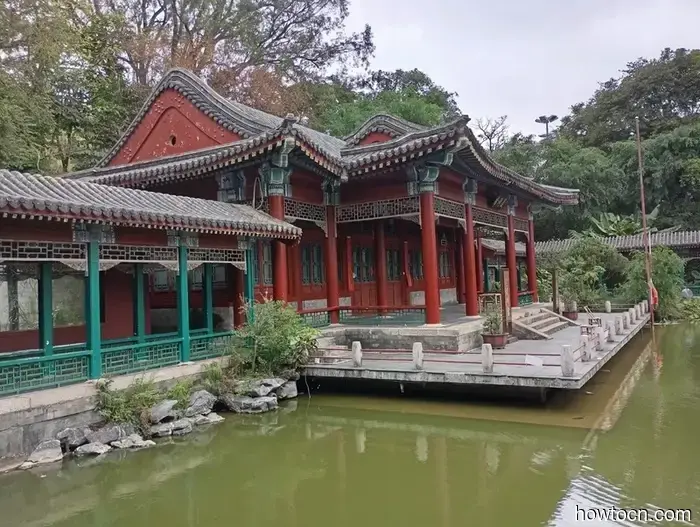
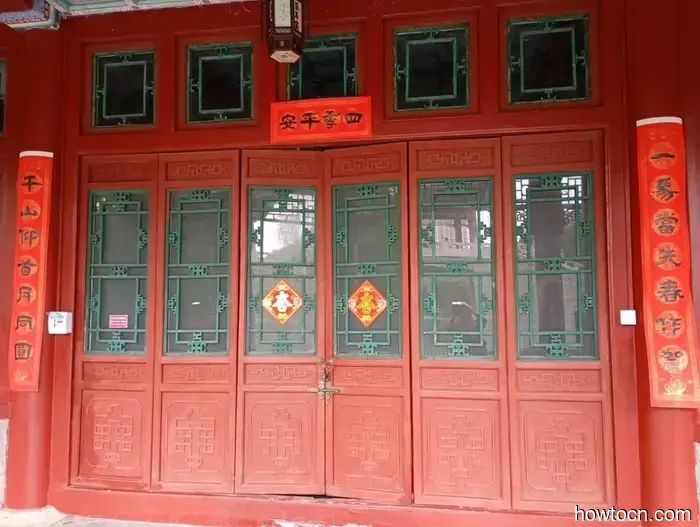
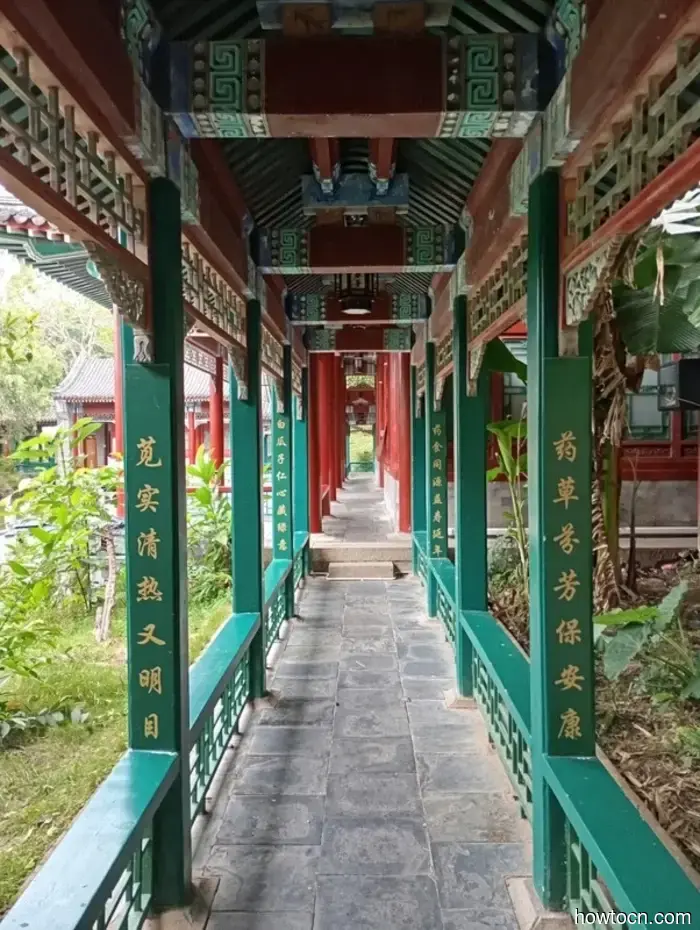
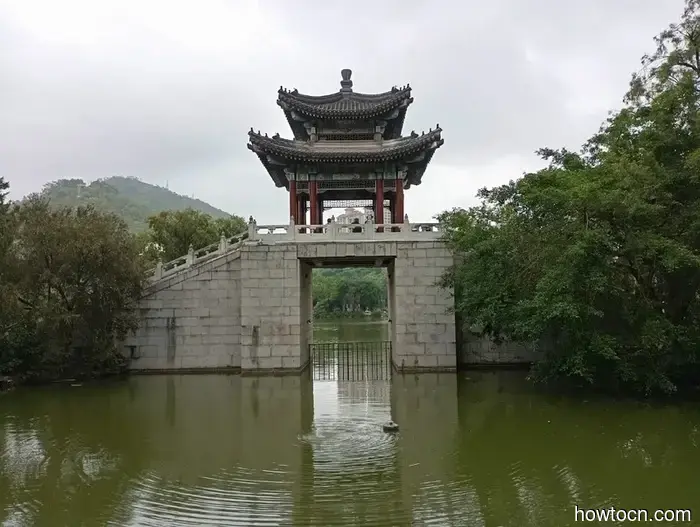
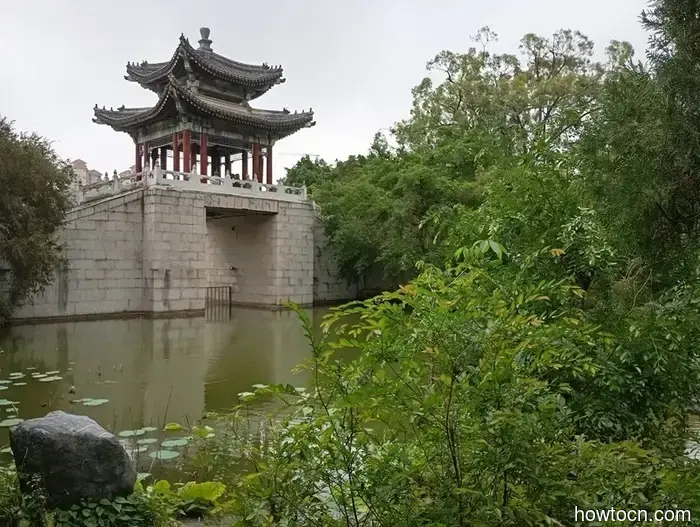
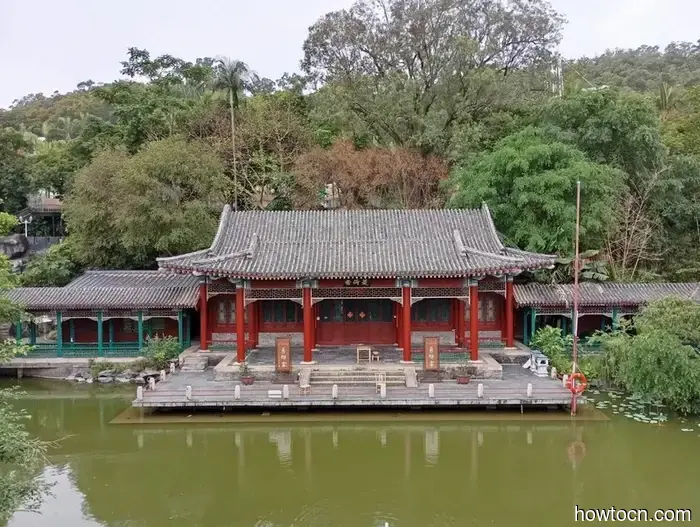
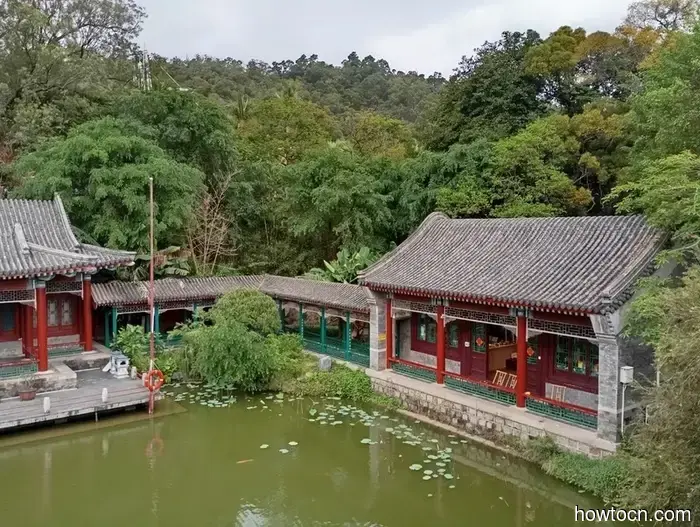
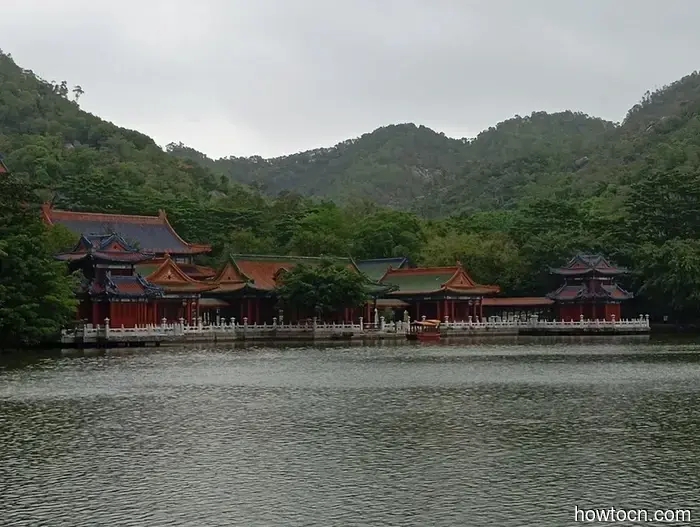
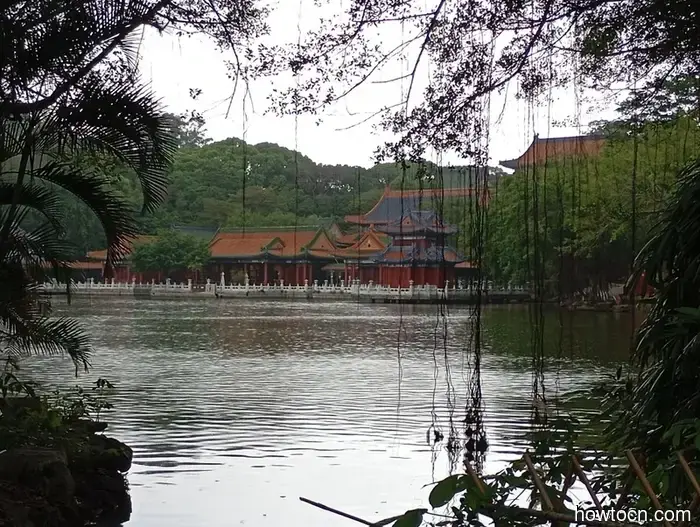
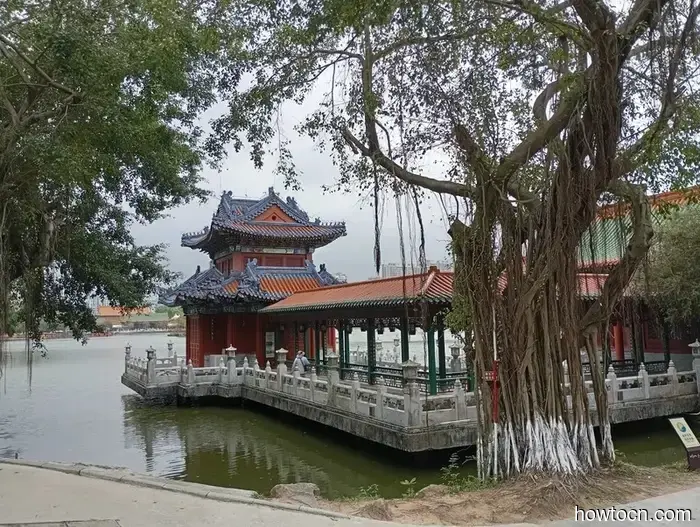
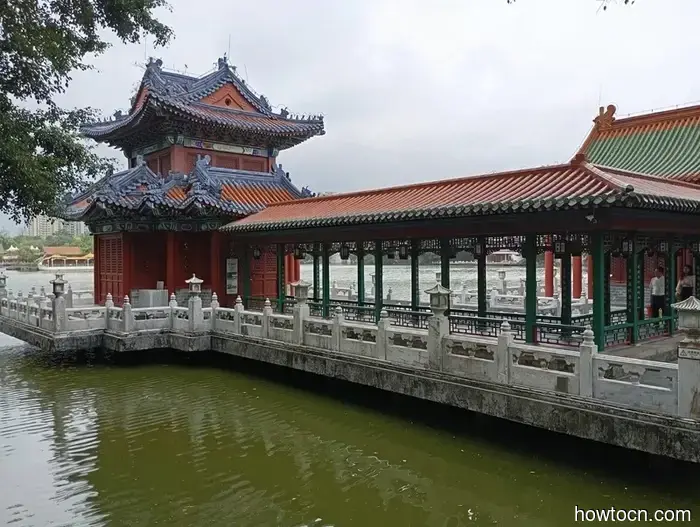
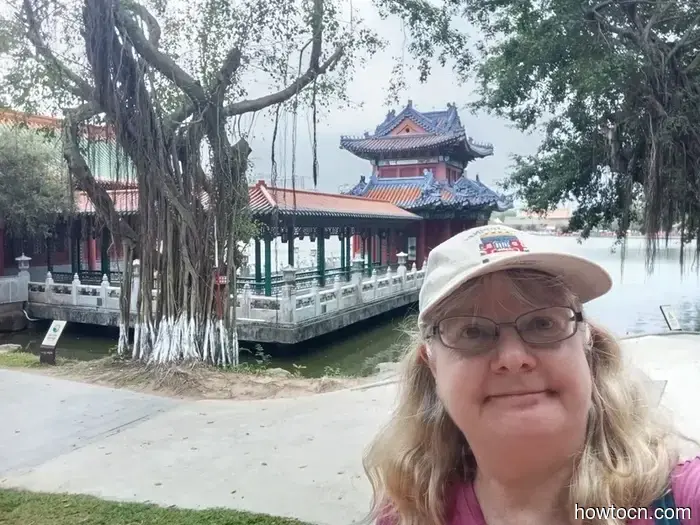
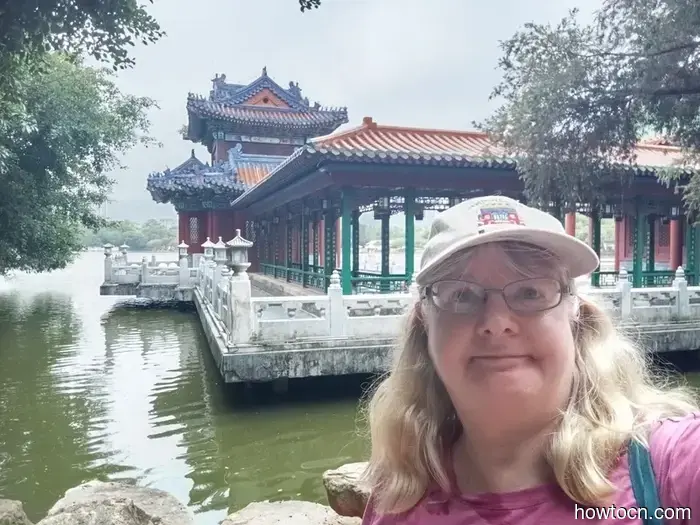
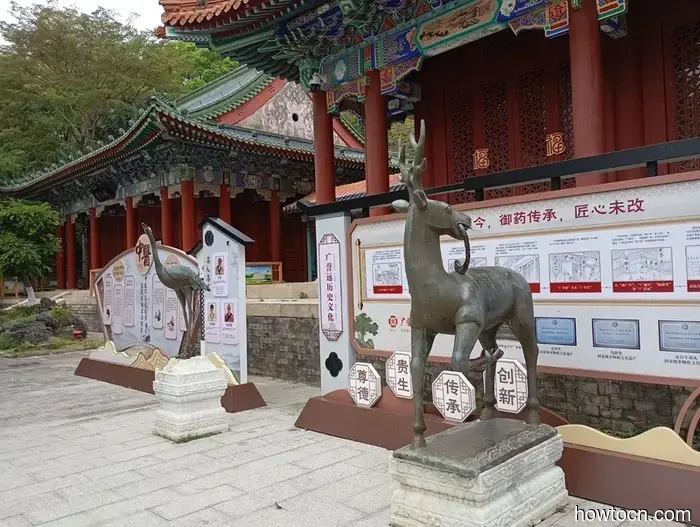
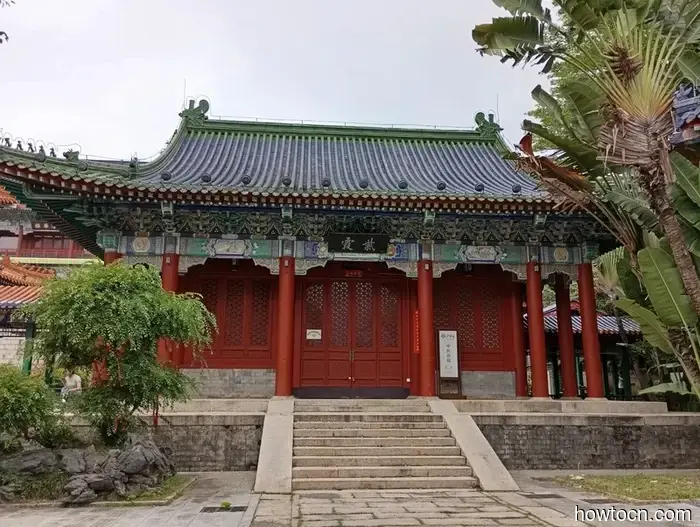
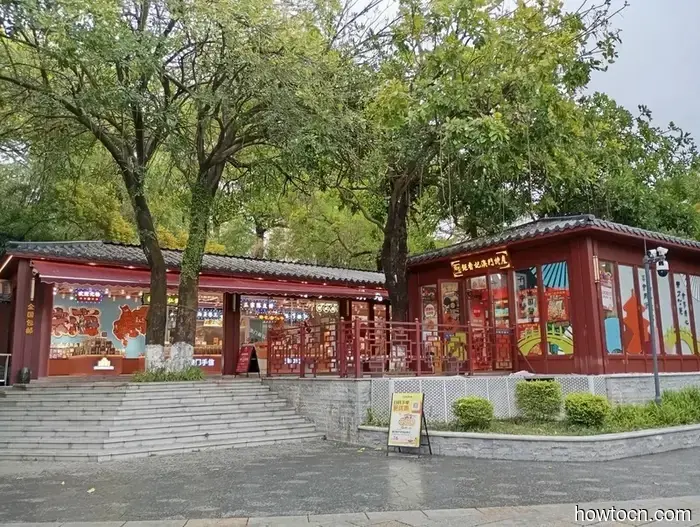
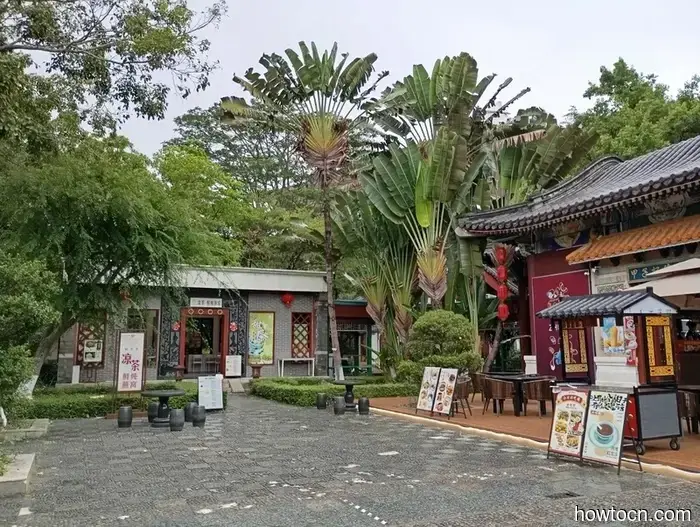
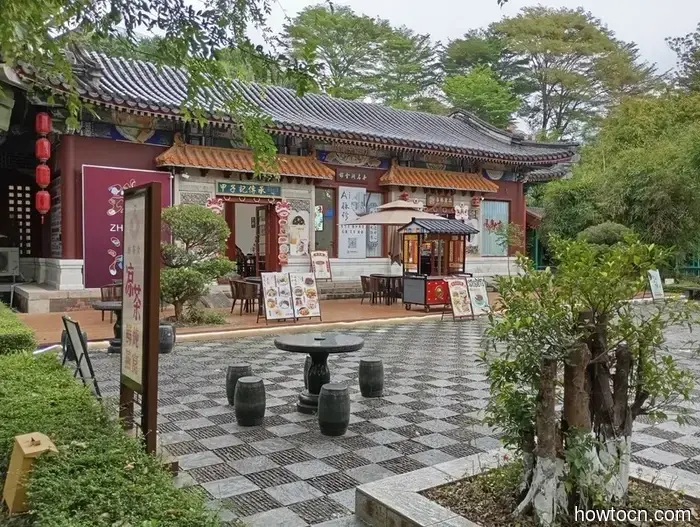
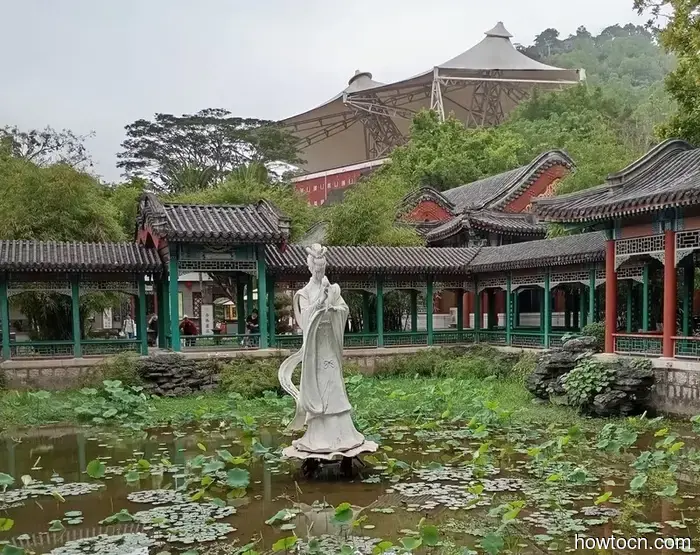
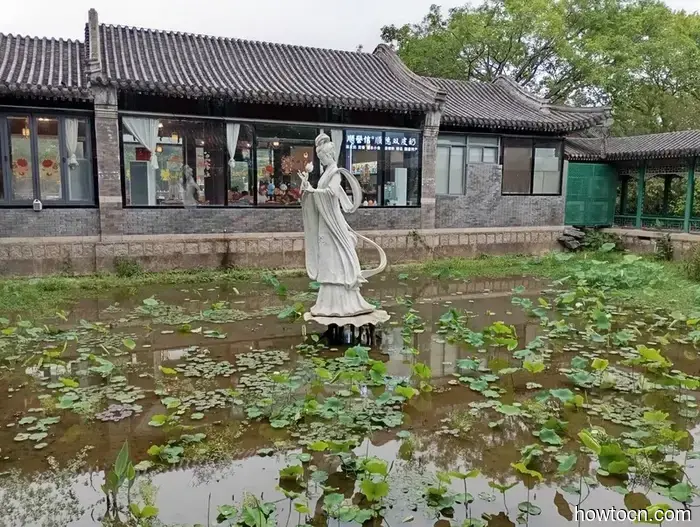
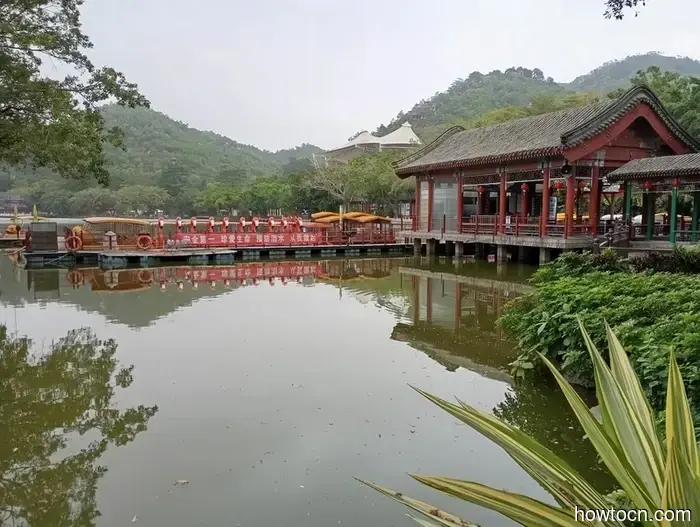
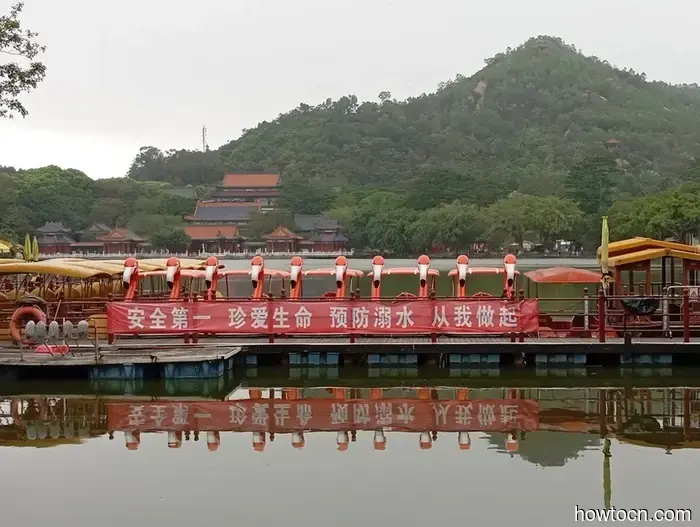
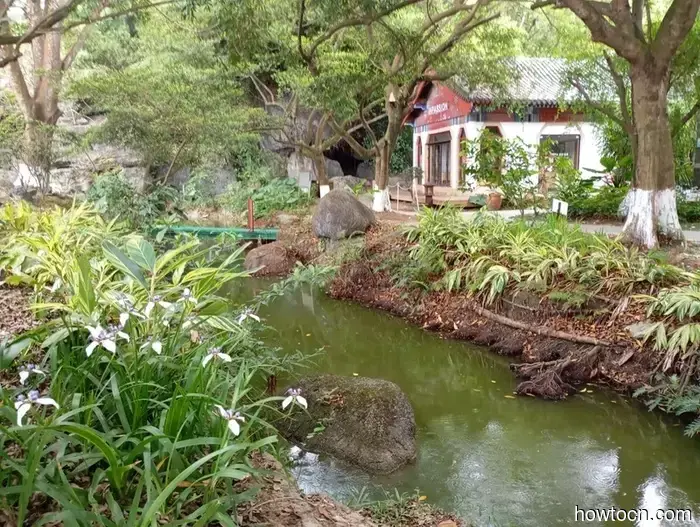
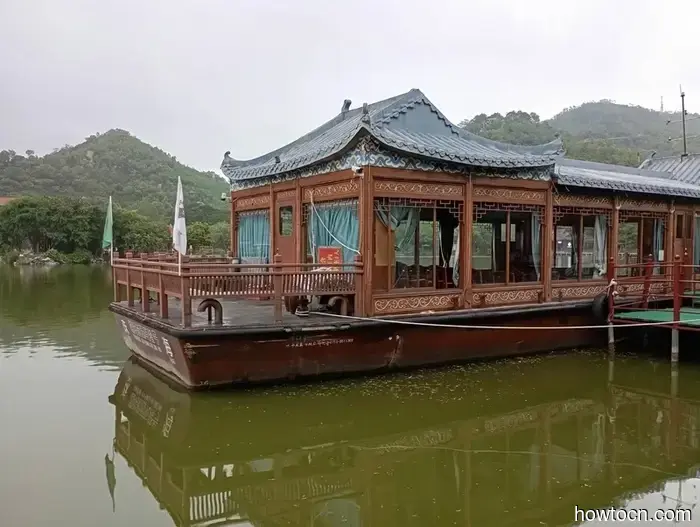
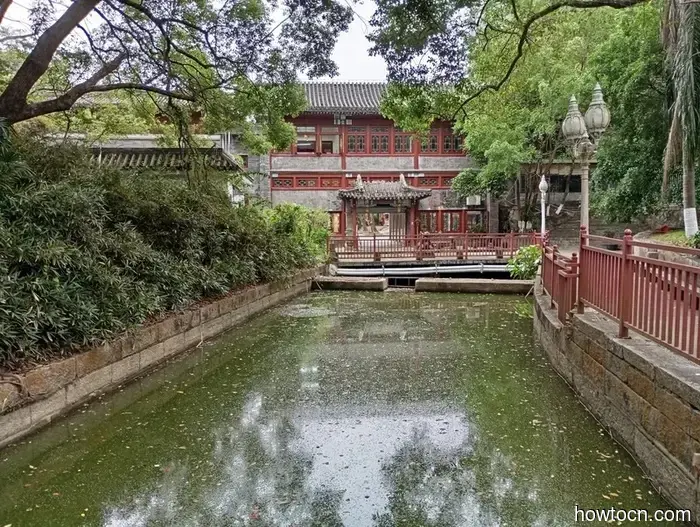
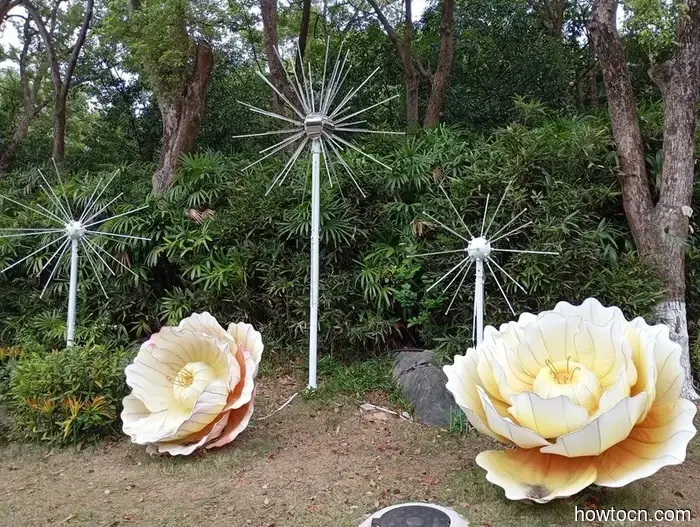
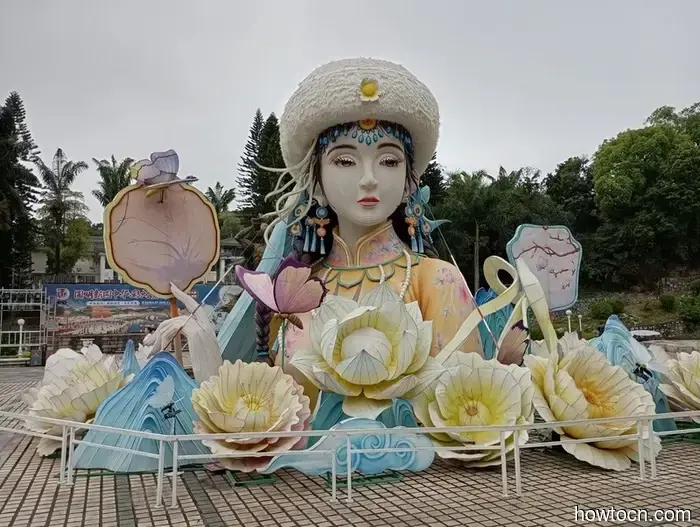
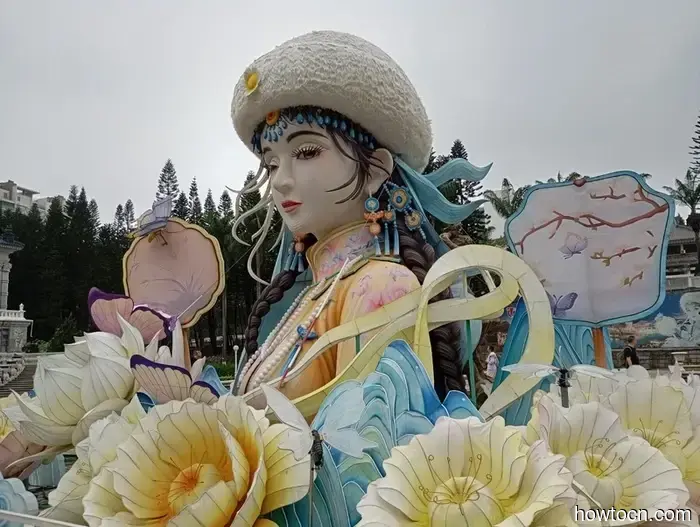
The New Yuanming Palace Gardens are a modern site, established in 1997, covering an area of 1.39 square kilometers and modeled after Beijing's Old Summer Palace. Eighteen scenic spots from the Old Summer Palace were replicated here at the same size as the originals. The gardens at the front of the main entrance were inspired by the imperial gardens of the Ming Dynasty (1368-1644) and the Qing Dynasty (1644-1911), featuring several gateways and courtyards. The first courtyard had a lavish floral display and a showcase welcoming the year 2026.
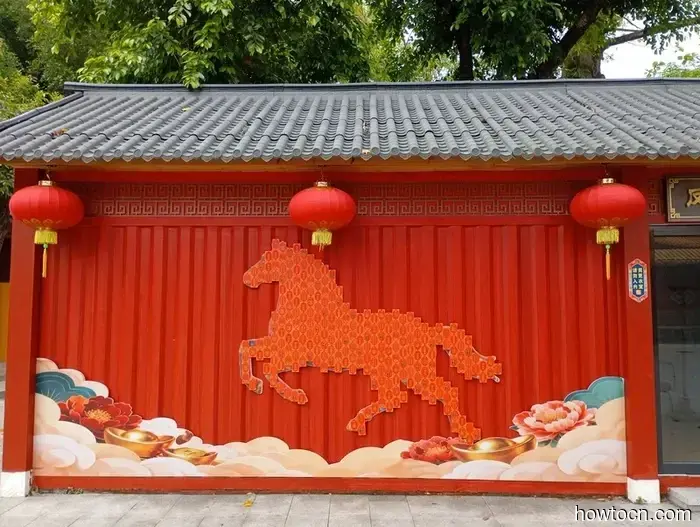
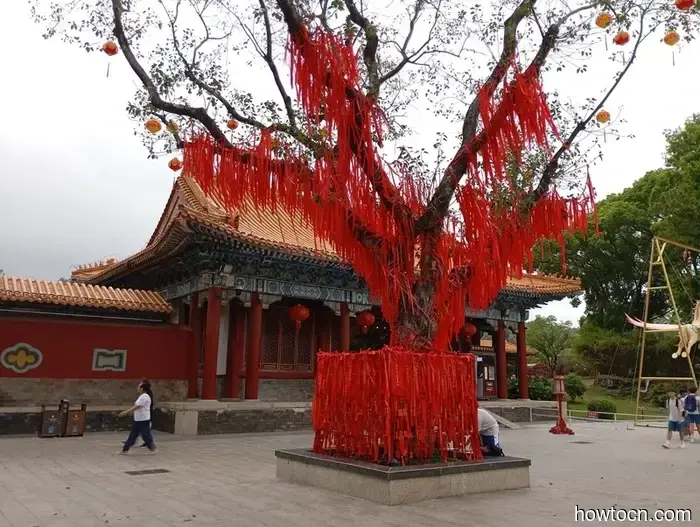
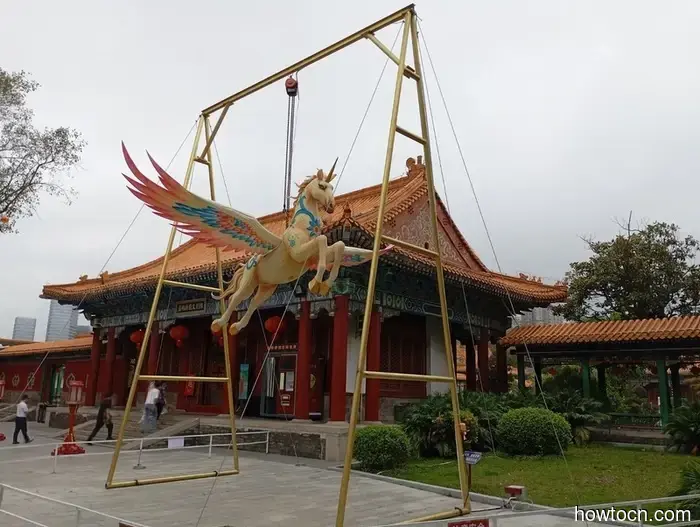
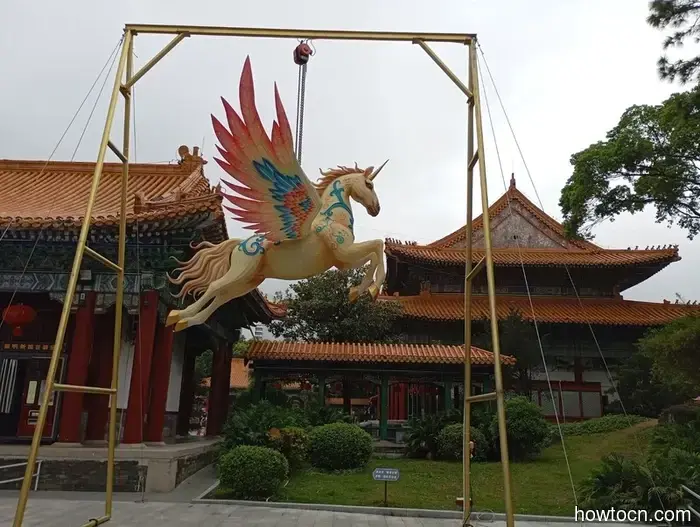
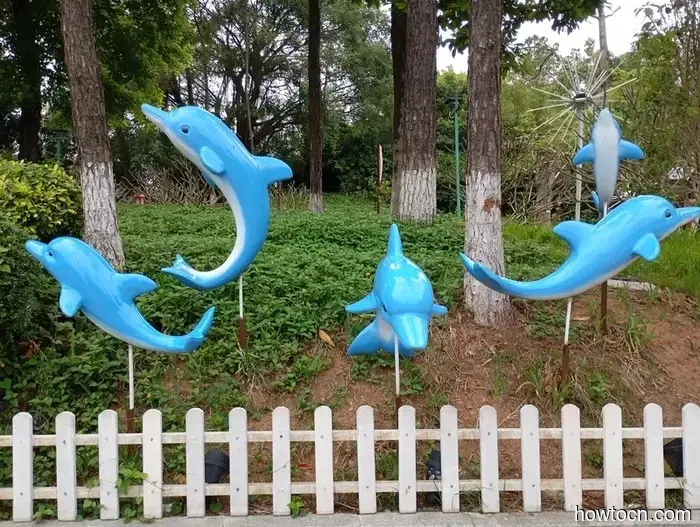
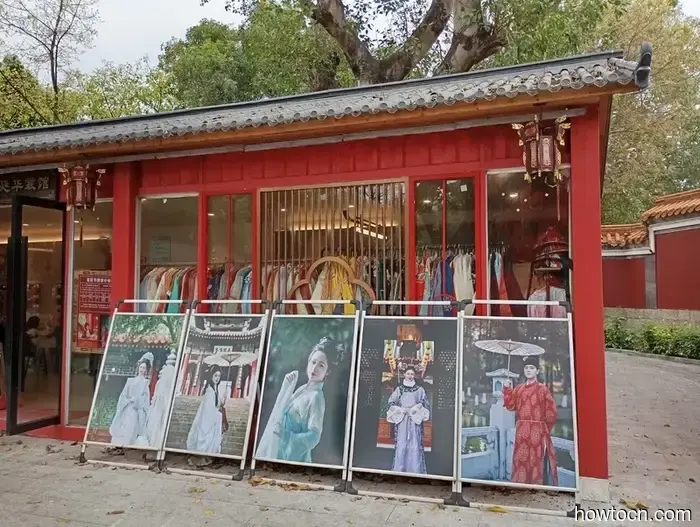
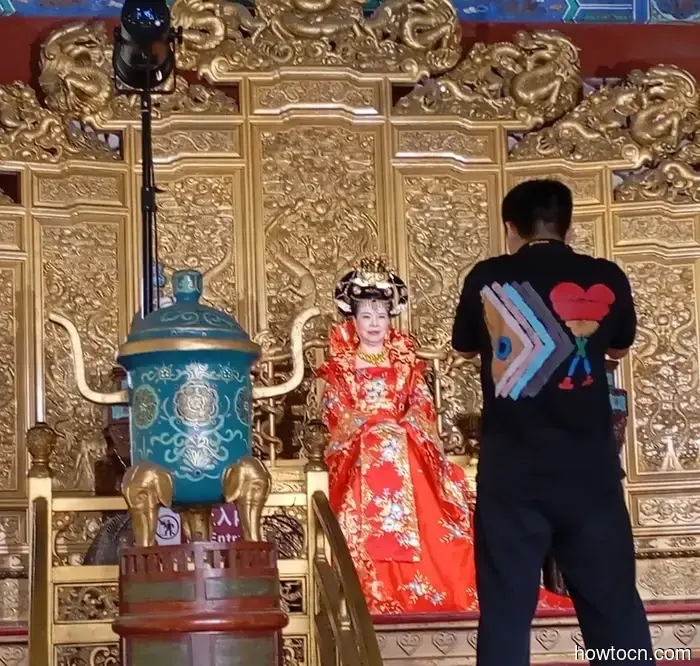
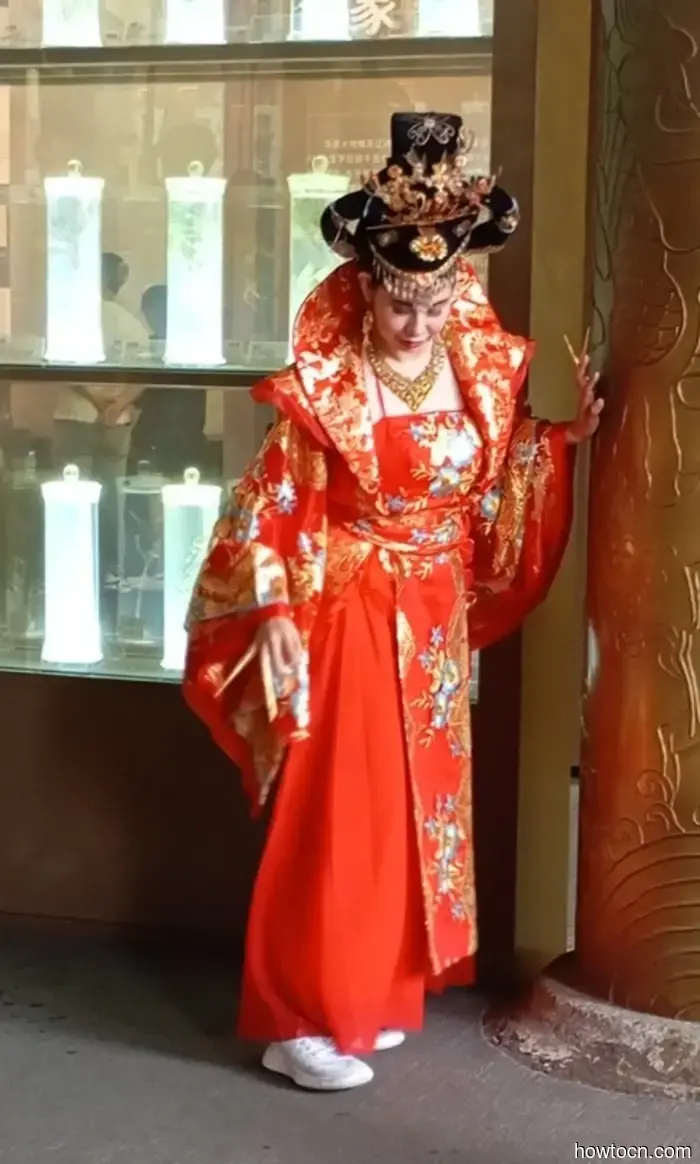
In a side courtyard, there were displays celebrating the Year of the Horse, a lucky tree, a flying unicorn, models of dolphins, and places to rent traditional Chinese clothing for photos. There was also a costume rental area where visitors could dress as emperors or empresses and have their photos taken by a professional while seated on an imperial throne. Naturally, I took a couple of discreet photos of people dressed up.
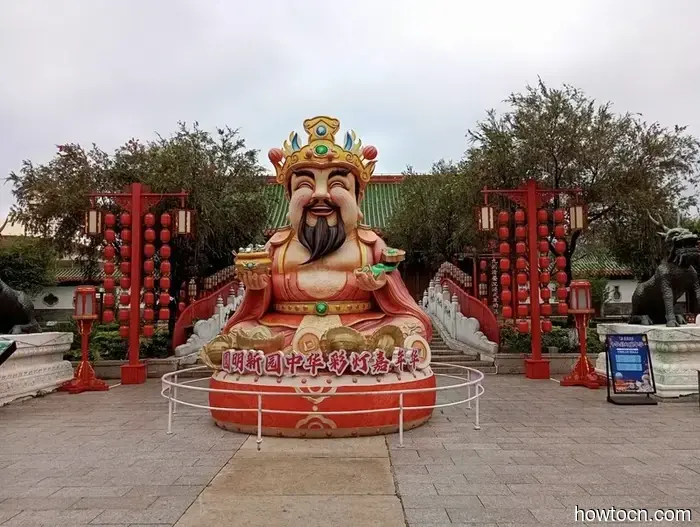
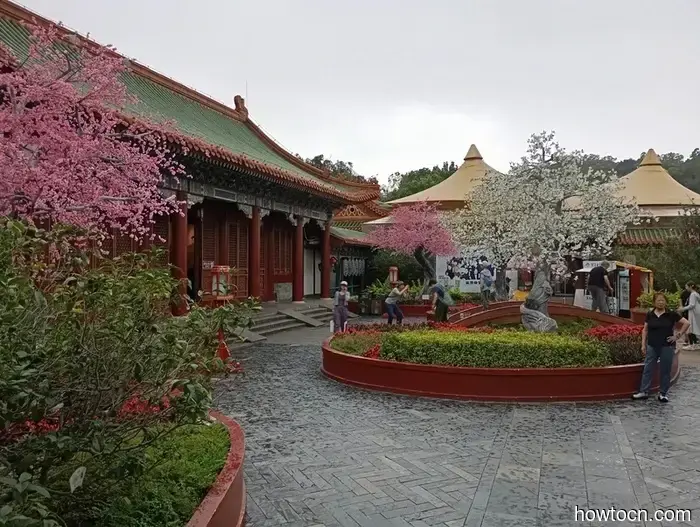
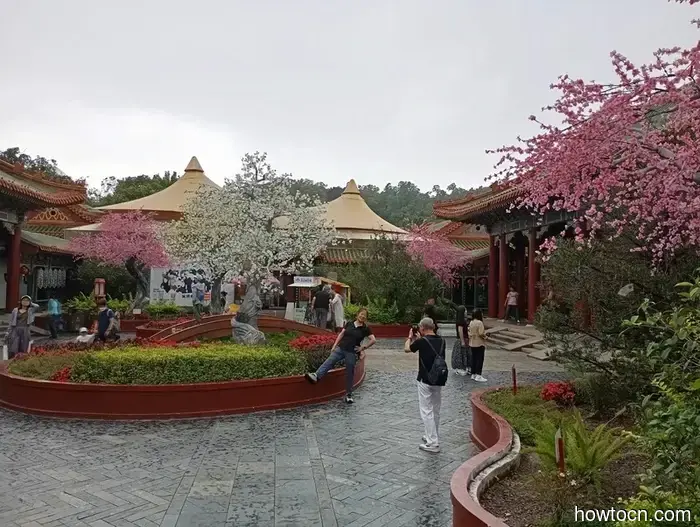
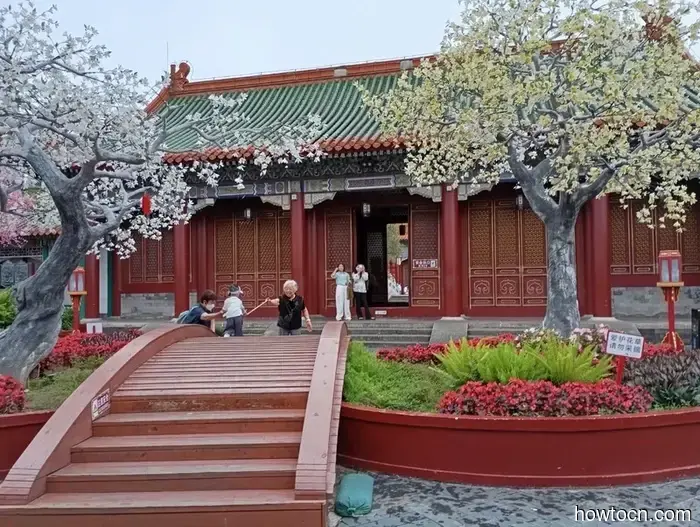
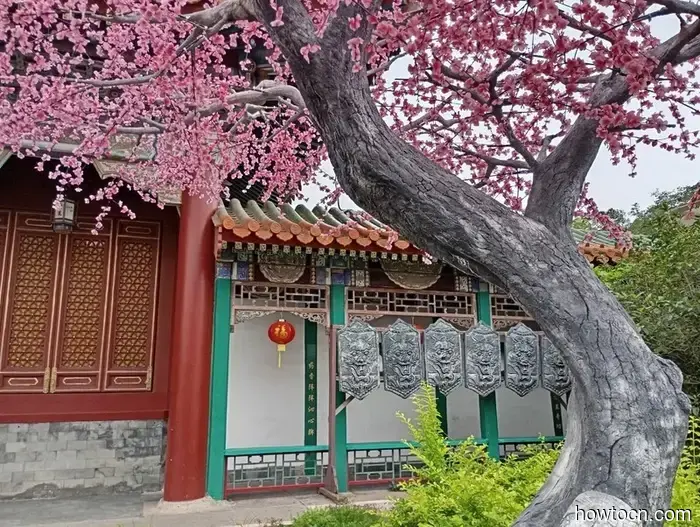
One courtyard featured a god-shaped lantern, supposedly Cai Shen, the god of wealth, who is commonly depicted around Chinese New Year. Another courtyard was adorned with blossoming trees, which, although artificial, were stunning. This area had an arched bridge that attracted many people taking selfies.
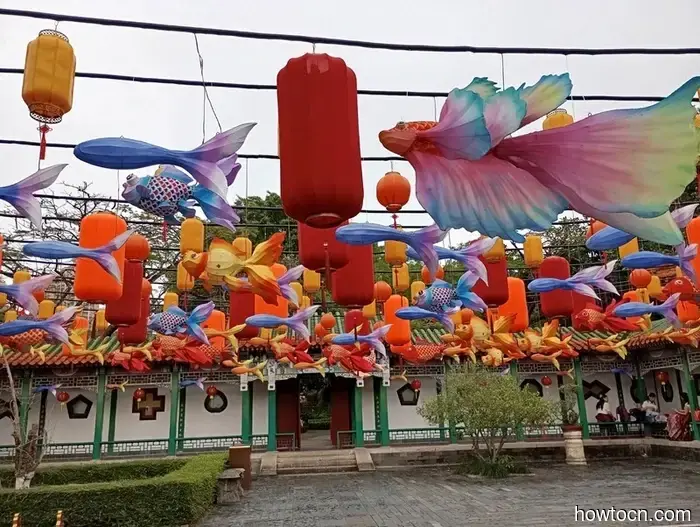
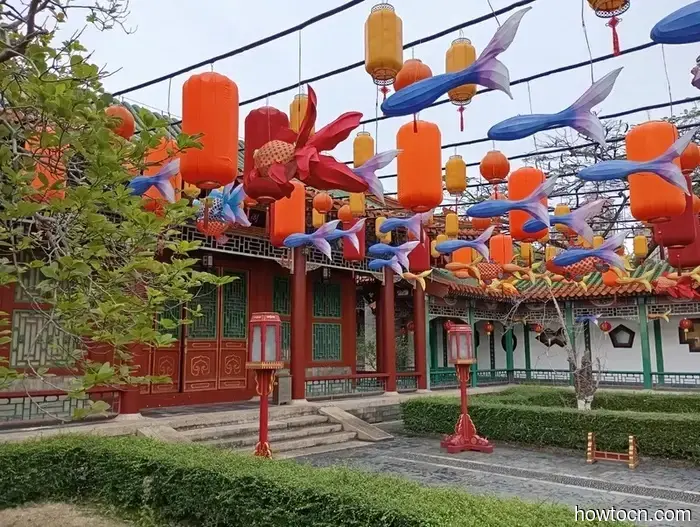
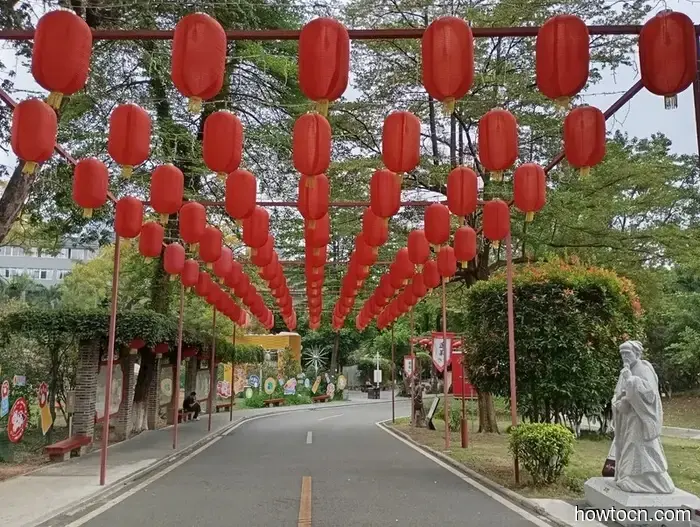
I encountered yet another courtyard decorated with beautiful, multicolored fish-themed lanterns.
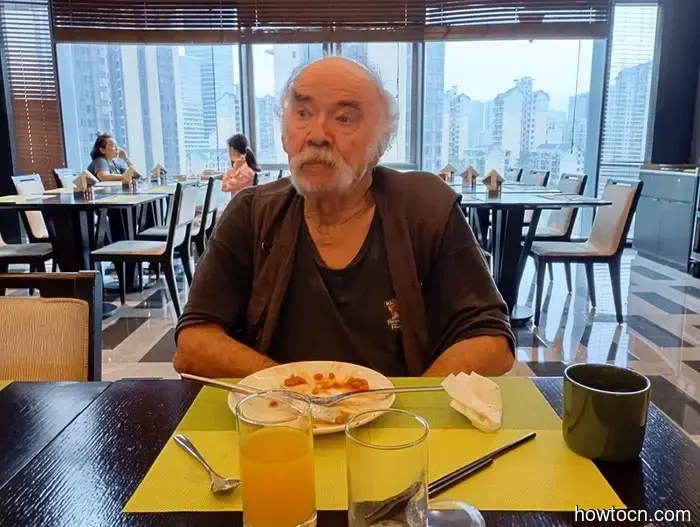

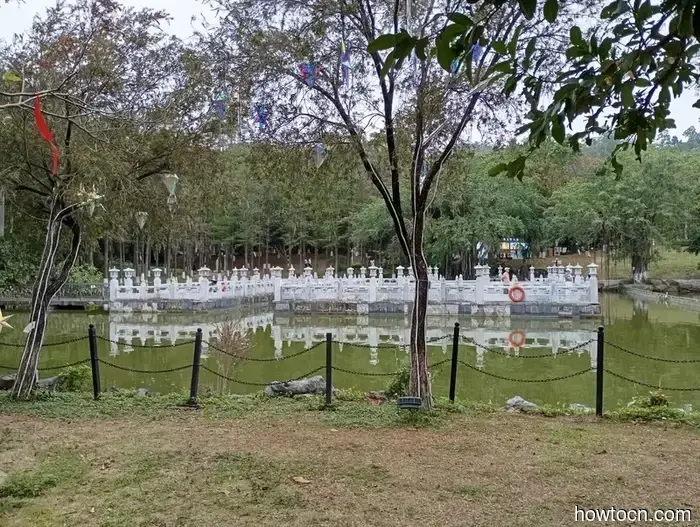
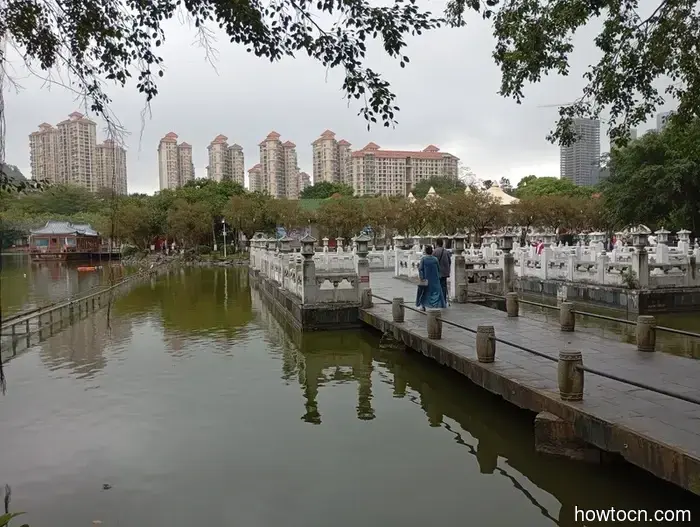
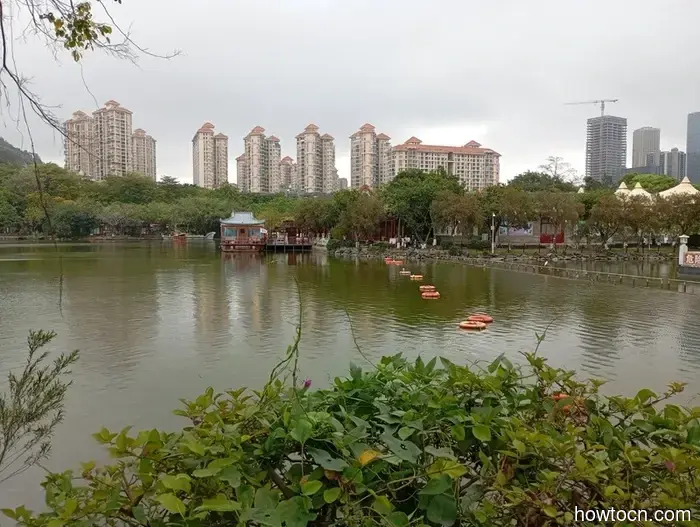
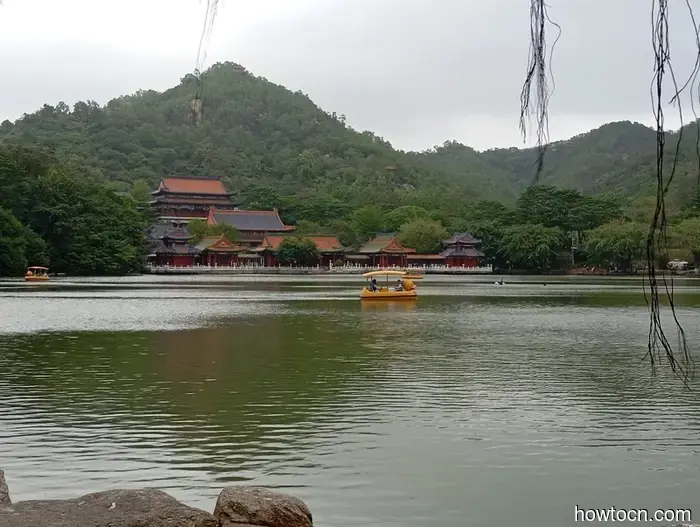
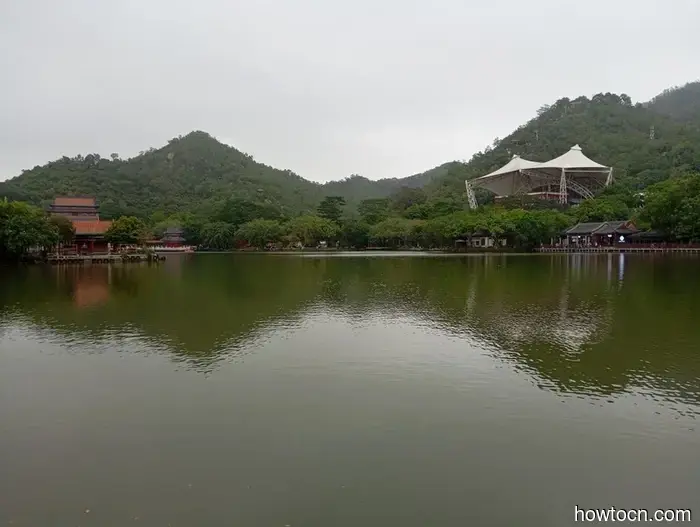
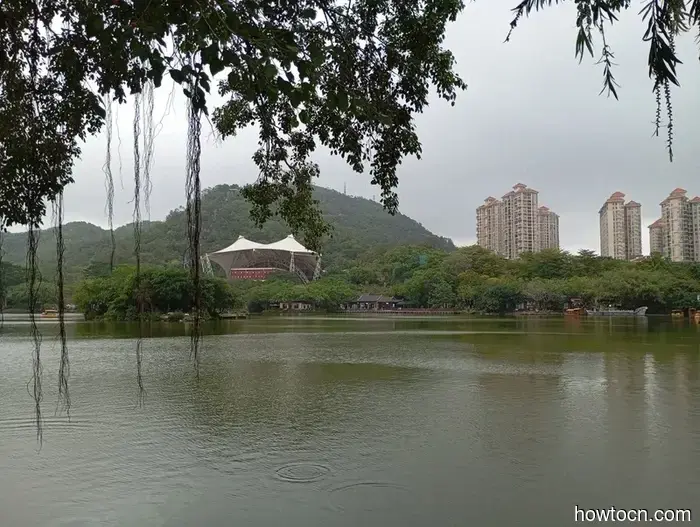
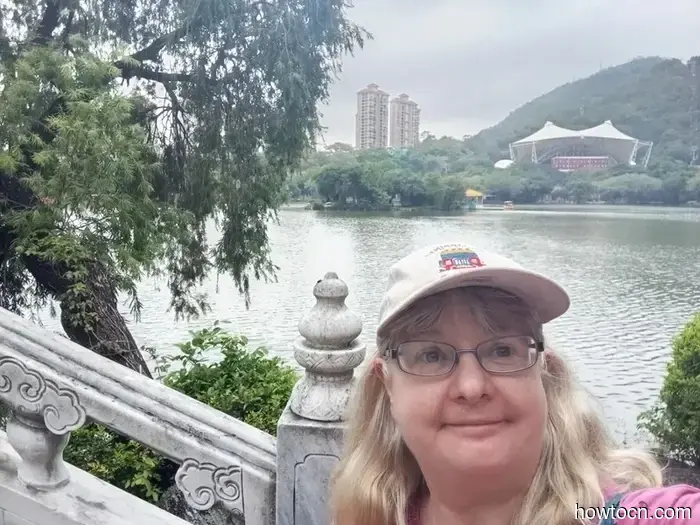

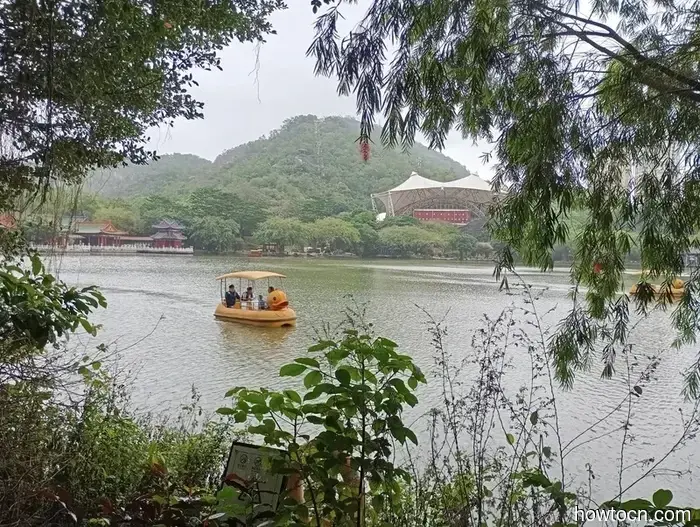
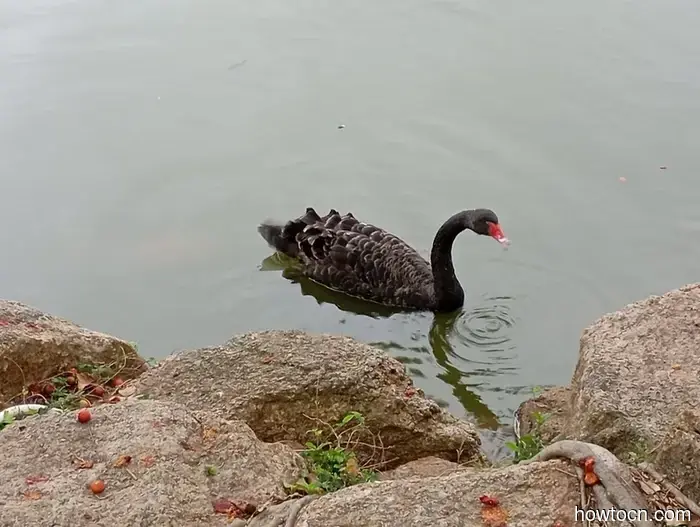
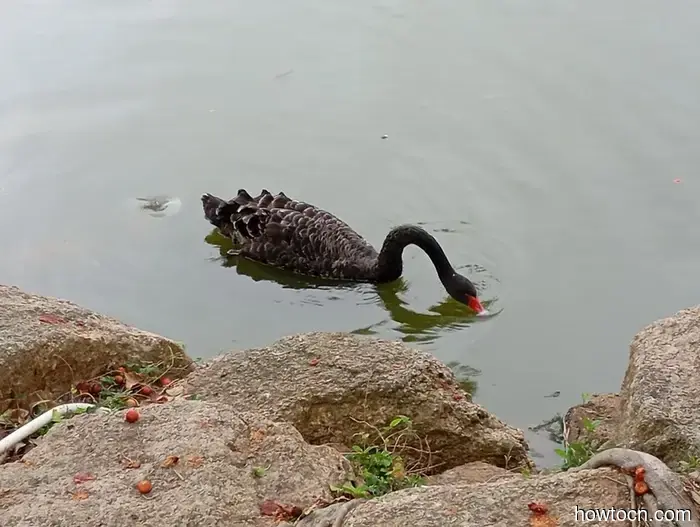
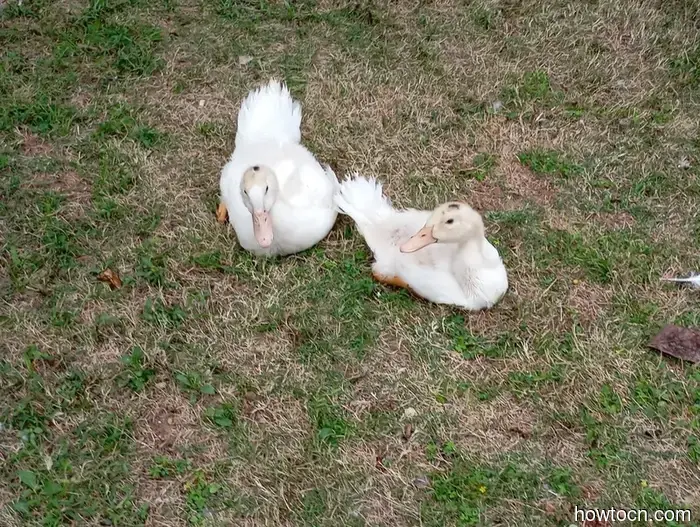
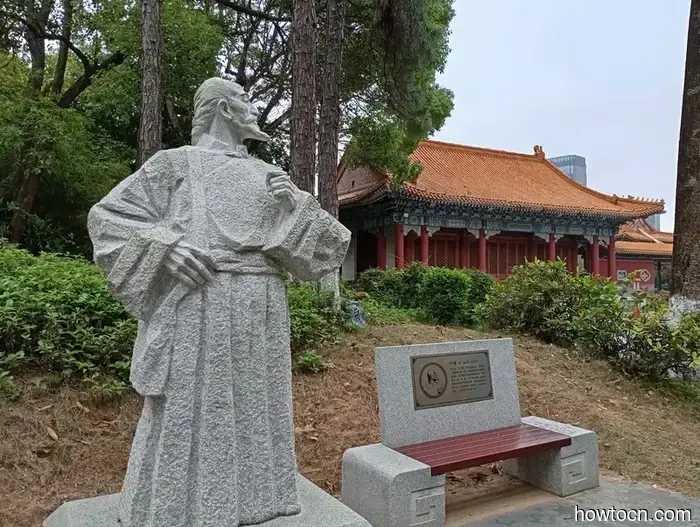
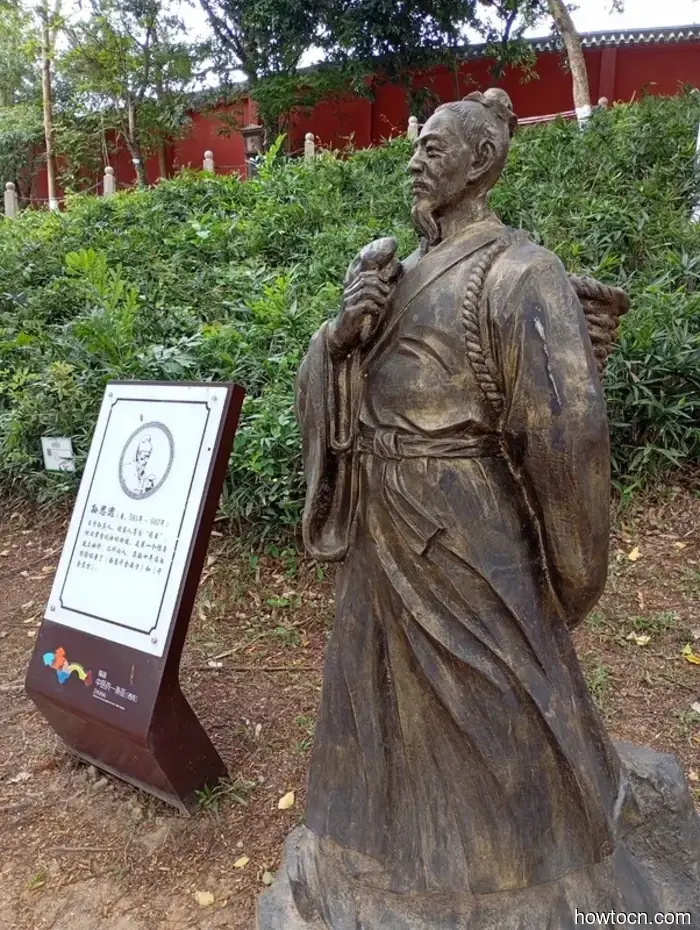
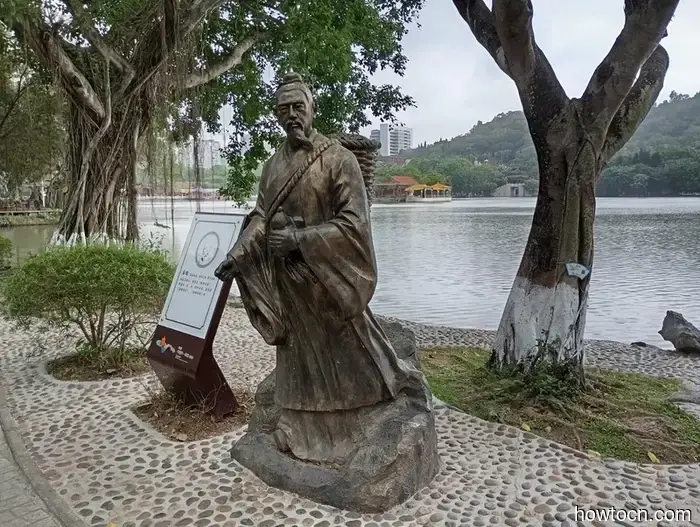
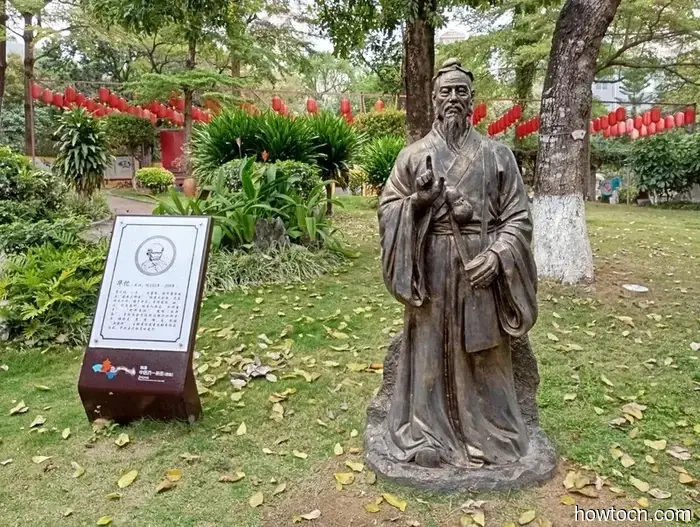
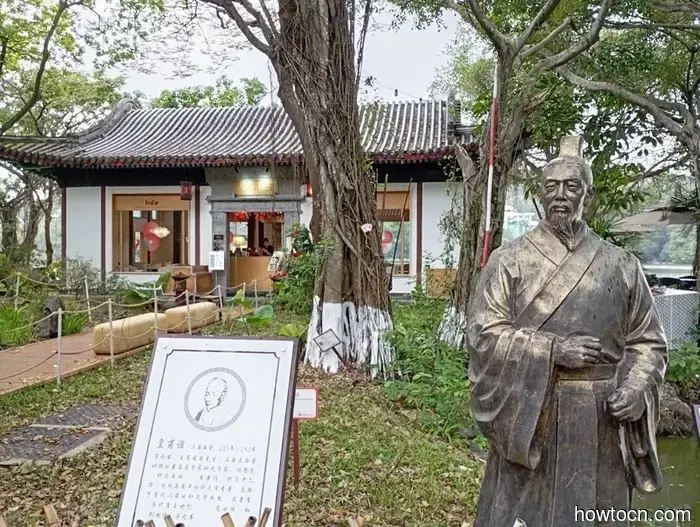
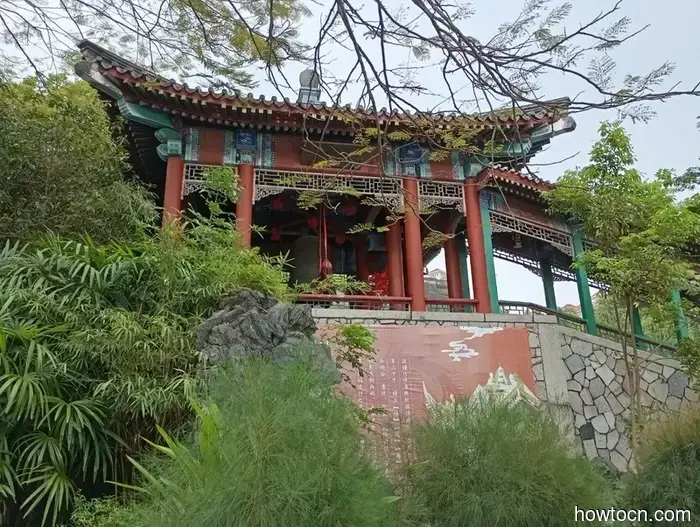
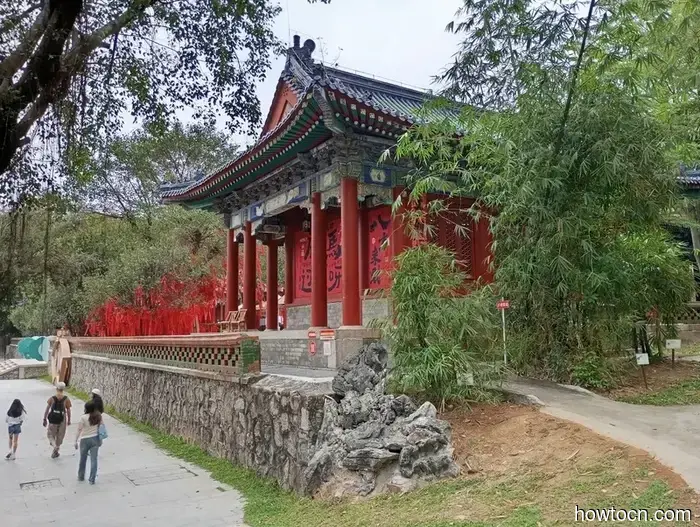
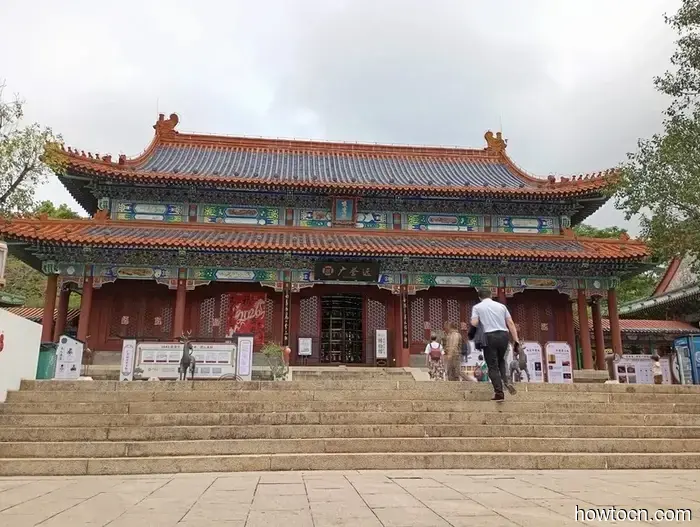
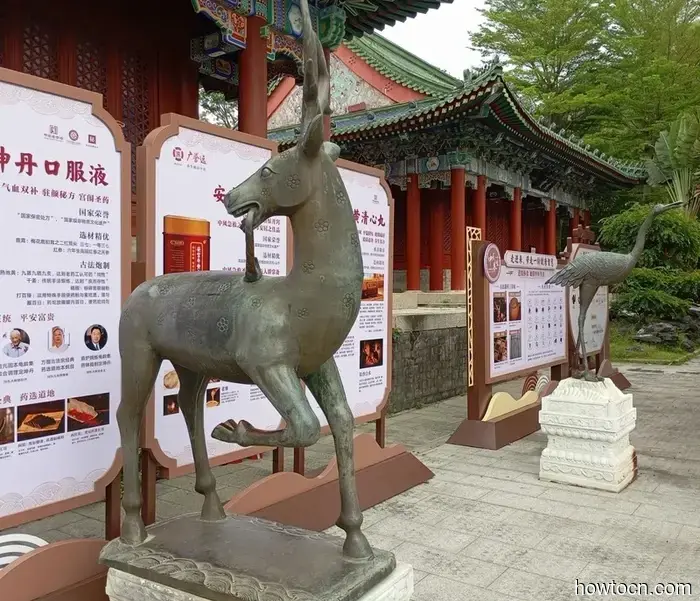
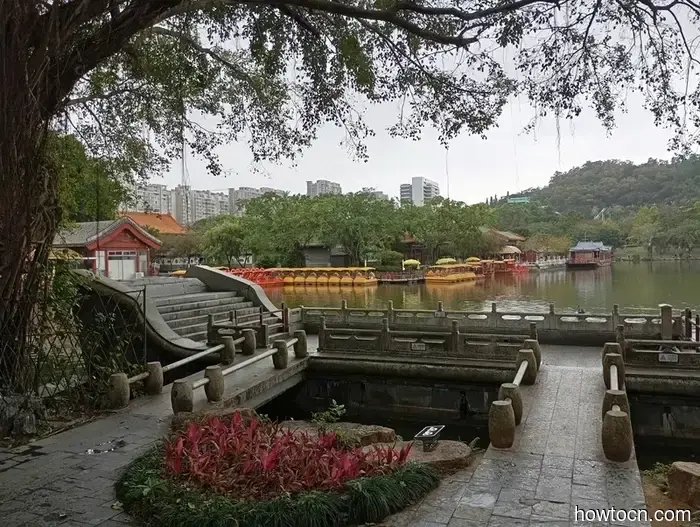
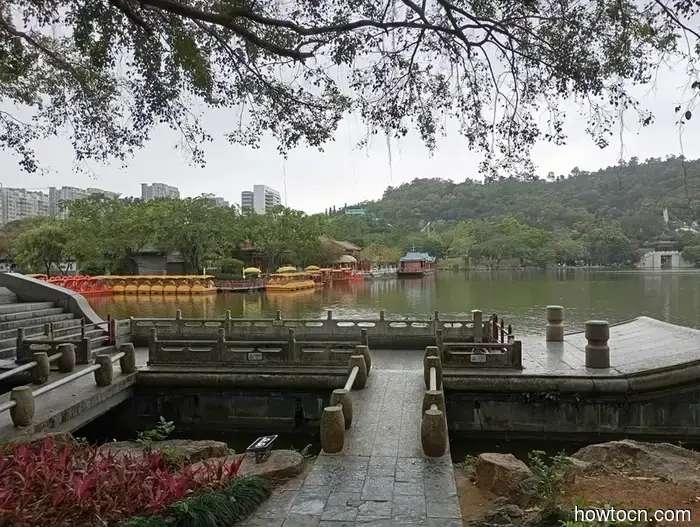
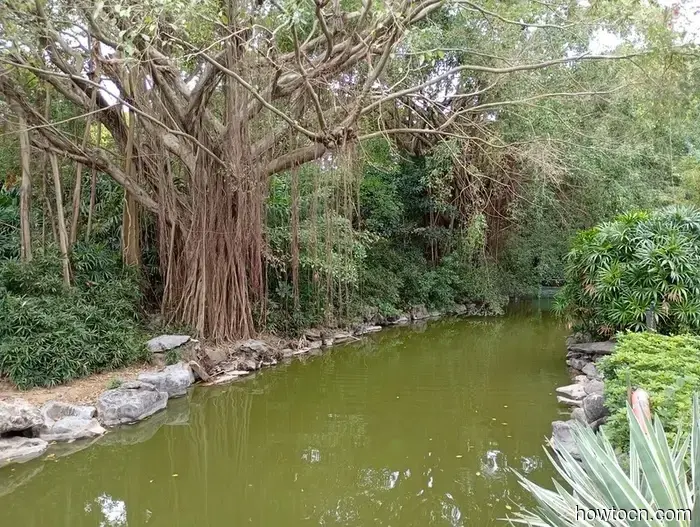
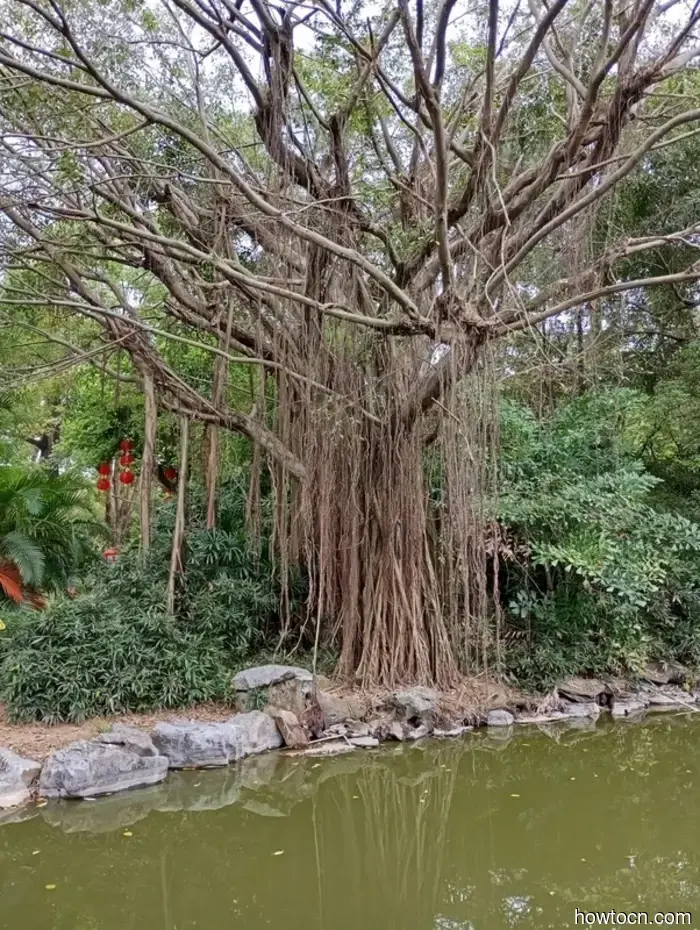

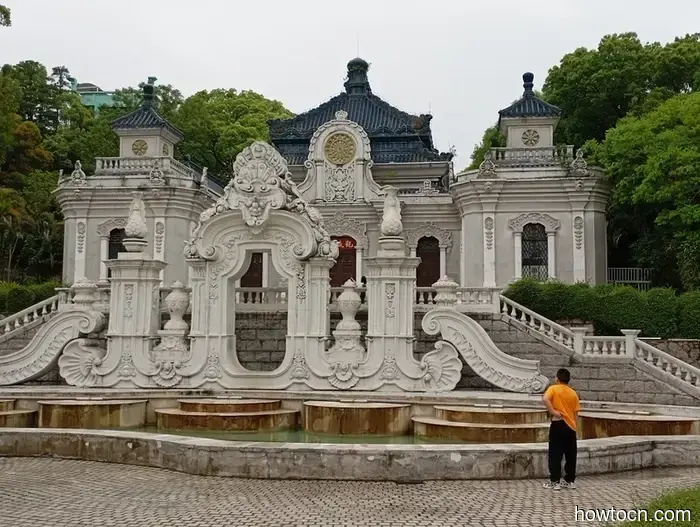
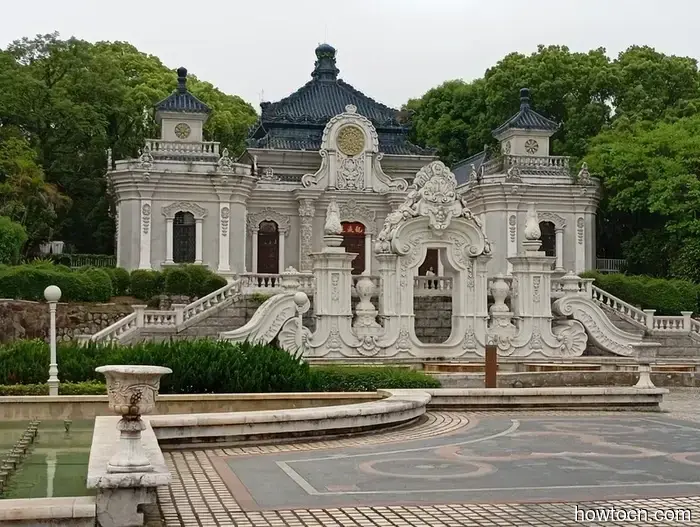
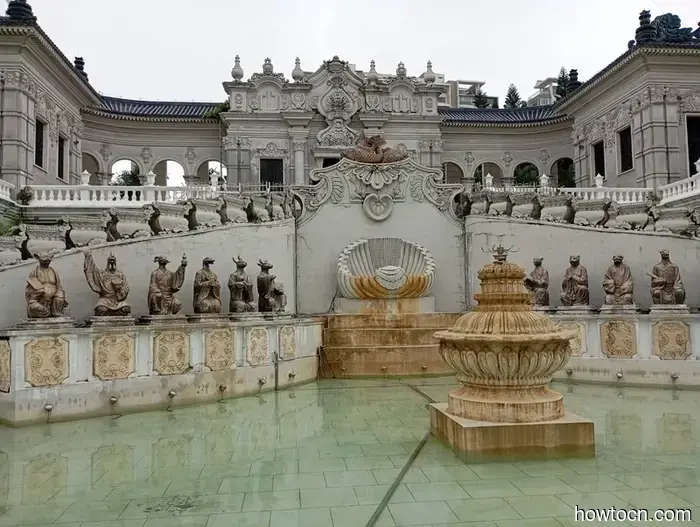
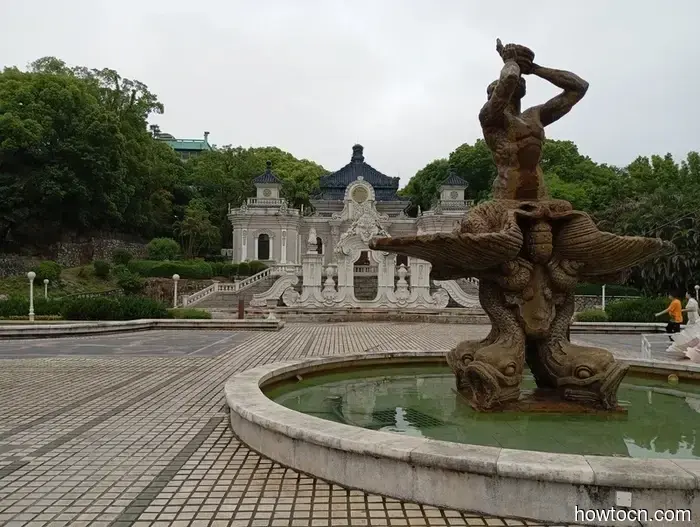
I really enjoy being here.